






Highlands Whisky: A Guide to Scotland's Largest Region and Its Top Distilleries

The Highlands – the heart of Scotch whisky
The Scottish Highlands is the largest whisky-producing region in Scotland in terms of area. It covers almost half of the country's landmass and is home to more than 30 operating distilleries.
The Highlands region also includes smaller subregions such as Speyside and the Scottish islands (Orkney, Skye, Mull). Although they have their own identities, they are still officially listed under the Highlands. This means they can use the designations “Speyside Single Malt” and “Highland Single Malt”.
Character whisky from Highlands
The region is extremely diverse – from dramatic mountains to windy coastlines and quiet valleys. This diversity is also reflected in the flavors of the whiskey.
The Highlands are more of a mosaic of smaller micro-regions than a single unified style. Here we find:
-
light, delicate, and elegant whiskey,
-
rich malt styles,
-
smoky and earthy profiles,
-
fruit and spicy variations.
That's why the Highlands are the ideal place for beginners to start – everyone can find their own style here.
The most interesting distilleries in the region Highlands
In the next section, we will introduce the most important and well-known distilleries that shape the character of the region.
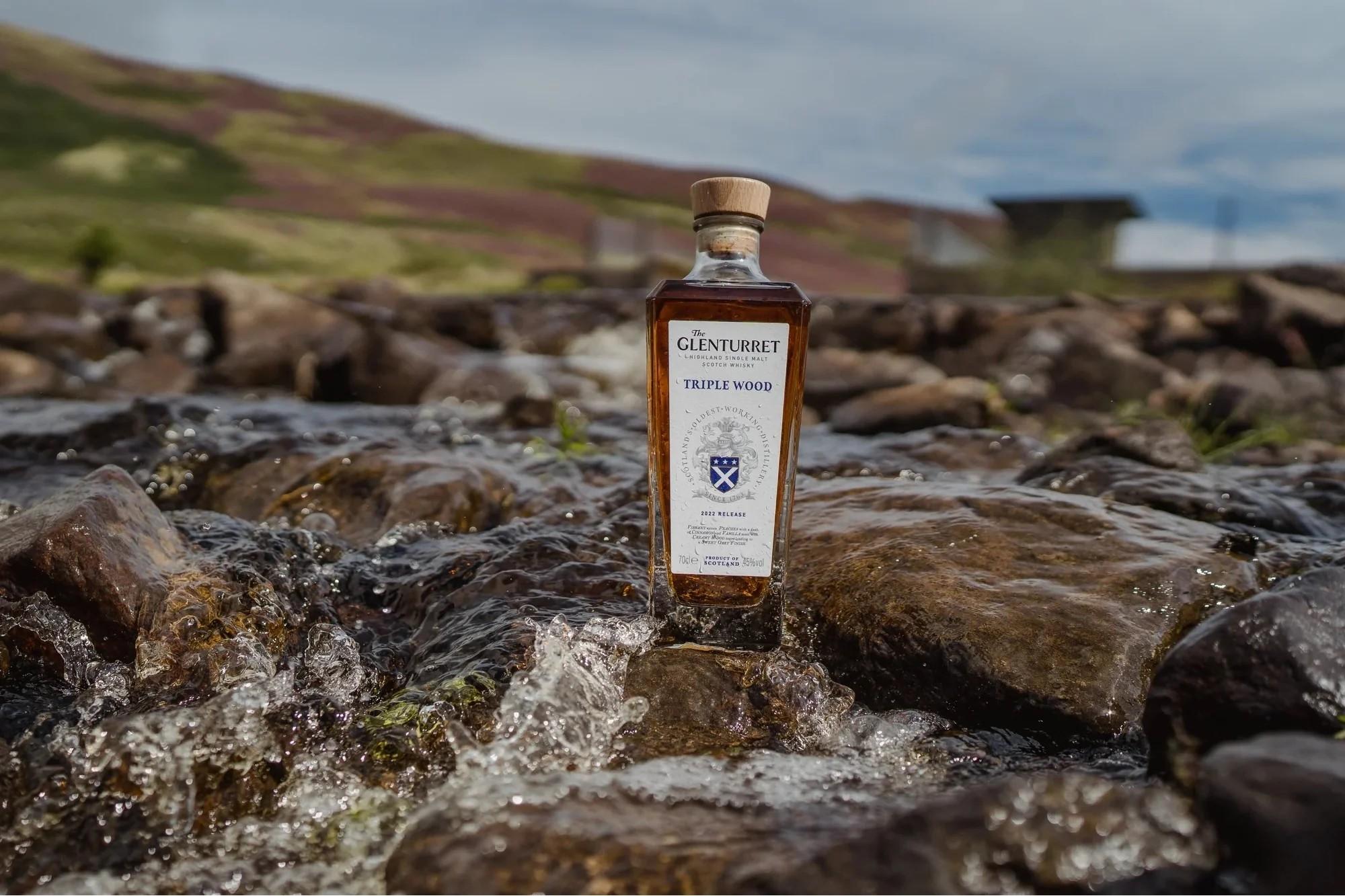
Glenturret – oldest Scottish distillery
Glenturret is considered to be the oldest continuously operating distillery in Scotland. Its origins are unclear – dates ranging from 1763 to 1775 are cited, and there is even mention of illegal production dating back to 1717. It did not receive its official license until 1818.
The original name, The Hosh, was changed to Glenturret in 1875. Since 2019, it has been owned by the Swiss Lalique Group, which has significantly modernized both the design and production.
Glenturret produces both peated and unpeated whisky, but plans to discontinue peated production in 2026 and focus on lighter spirits.
Typical notes: malt, spice, citrus, cinnamon, ginger, fruitiness.
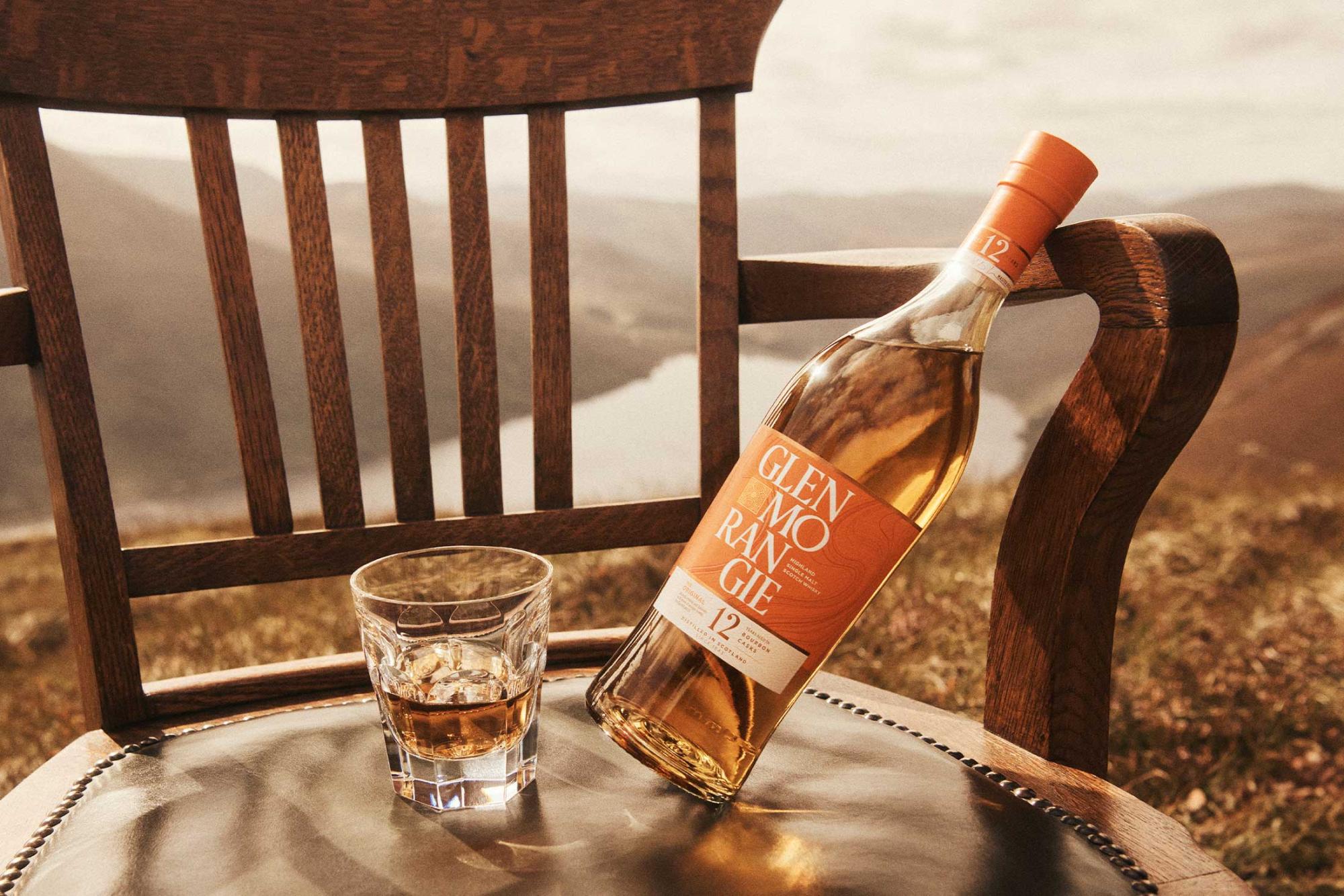
Glenmorangie – elegance and the longest boilers in Scotland
Glenmorangie, founded in 1843 by William Matheson, it is one of the most famous brands in the Highlands. It is:
-
the best-selling single malt in Scotland,
-
the fifth best-selling single malt in the world.
Today, it belongs to Louis Vuitton Moët Hennessy. Dr. Bill Lumsden, who made the brand famous by finishing it in various barrels (port, sauternes), is responsible for innovation.
Their distillation stills are the tallest in Scotland – "as tall as giraffes."
Typical notes: citrus, vanilla, honey, flowers, light herbal notes.
Recommended bottles for beginners: Glenmorangie The Original 10, The Lasanta 12.
Glenmorangie


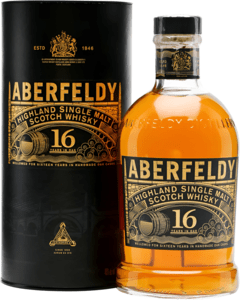
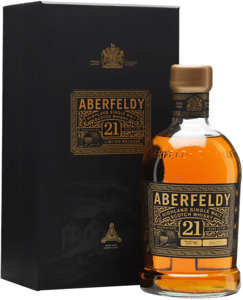
Aberfeldy – delicate, honey-like whisky „The Golden Dram“
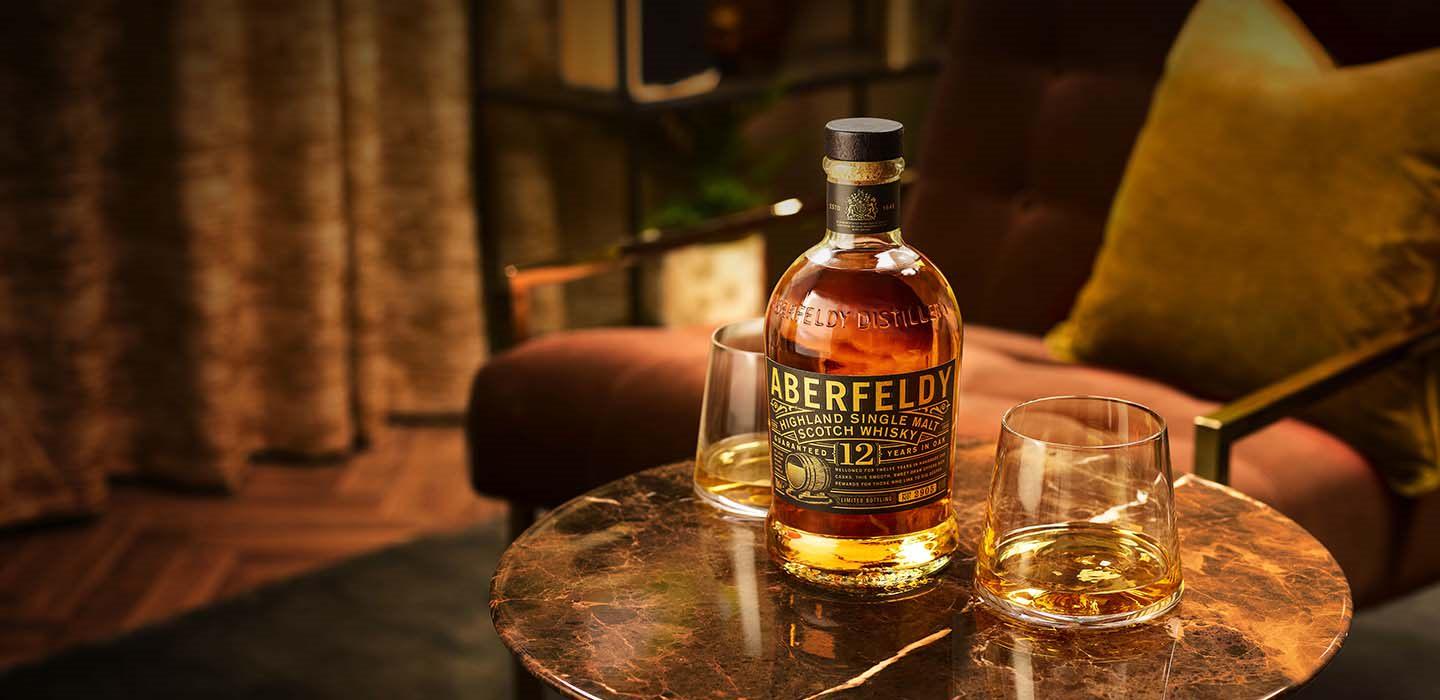
Aberfeldy was established in 1898 as a source of malt whisky for Dewar's blends. It is distinguished by its extra-long fermentation and pure style.
Typical tones:
-
honey, vanilla, citrus, orchard fruit, oak, malt
Aberfeldy 12 is nicknamed "The Golden Dram" and is a great introduction to their delicate fruity style.
Aberfeldy
Loch Lomond – experimenter with a huge range of styles
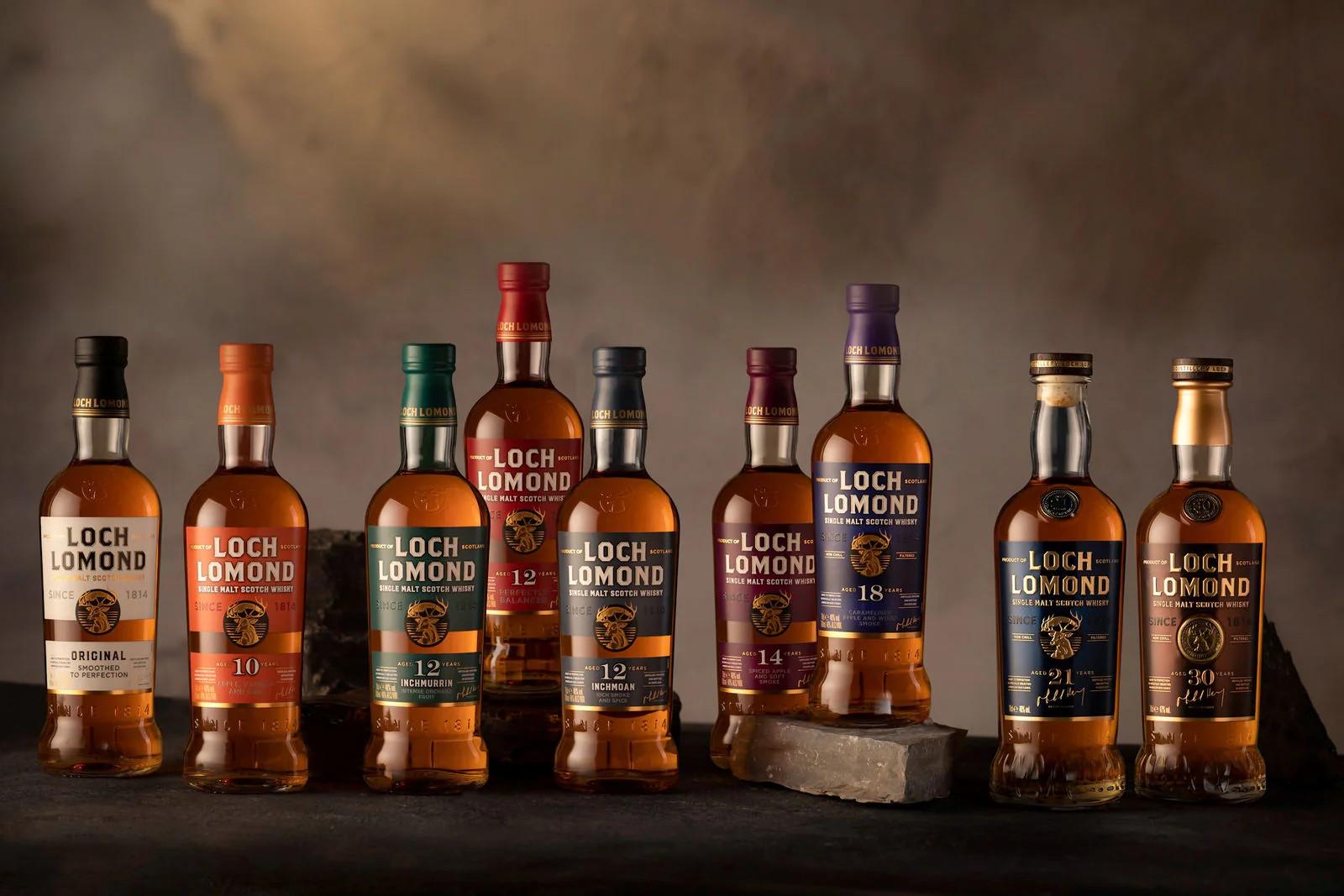
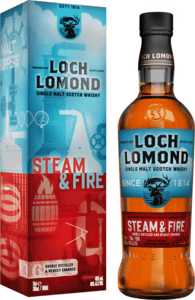
Distillery Loch Lomond is located in Alexandria, near Loch Lomond. It has had its modern appearance since 1965, but the region has had a distilling tradition since 1814.
It is unique in that it produces both malt and grain whiskey under one roof. It uses different types of yeast, different fermentation methods, and different varieties of malt.
As a result, it offers whiskeys ranging from delicate and fruity to heavier and smokier, as well as experimental single grain editions.
Interesting bottling:
-
Grainstorm Single Grain
-
Peated & Floral
Both are "grain" spirits, but they are made from malted barley – they are labeled as grain spirits only because they are distilled in a column still.
Loch Lomond




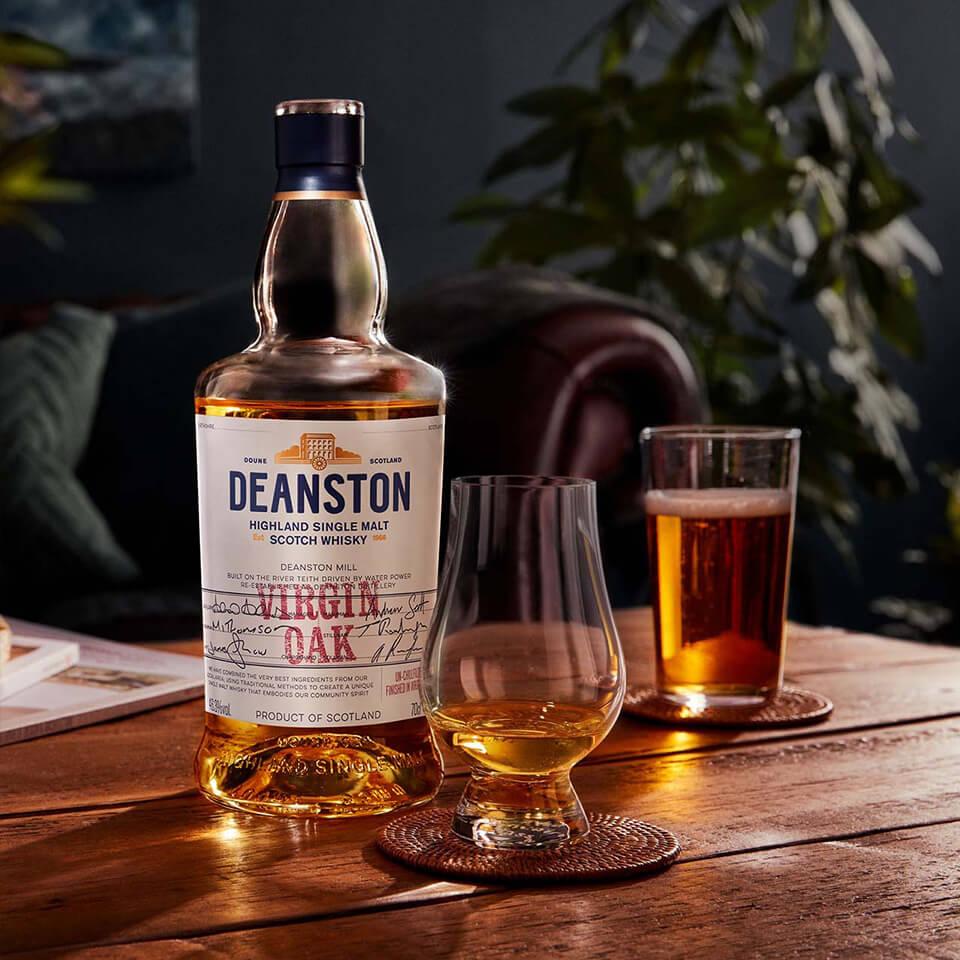
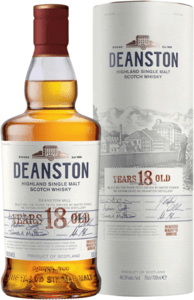
Deanston – waxy, creamy, and traditional style
Deanston was established in 1966 by converting an old cotton mill dating back to 1785. Whisky production began in 1969. After the crisis in the 1980s, it was closed and only reopened in 1990.
Today, it belongs to the Distell Group and produces a waxy, full-bodied spirit with fruity notes.
Typical tones:
-
vanilla, honey, fruit, oak, malt
Recommended bottling:
-
Deanston Virgin Oak – spicier style
-
Deanston 12 – smoother, fruitier profile
Deanston
Dalmore – iconic luxury whisky with a stag
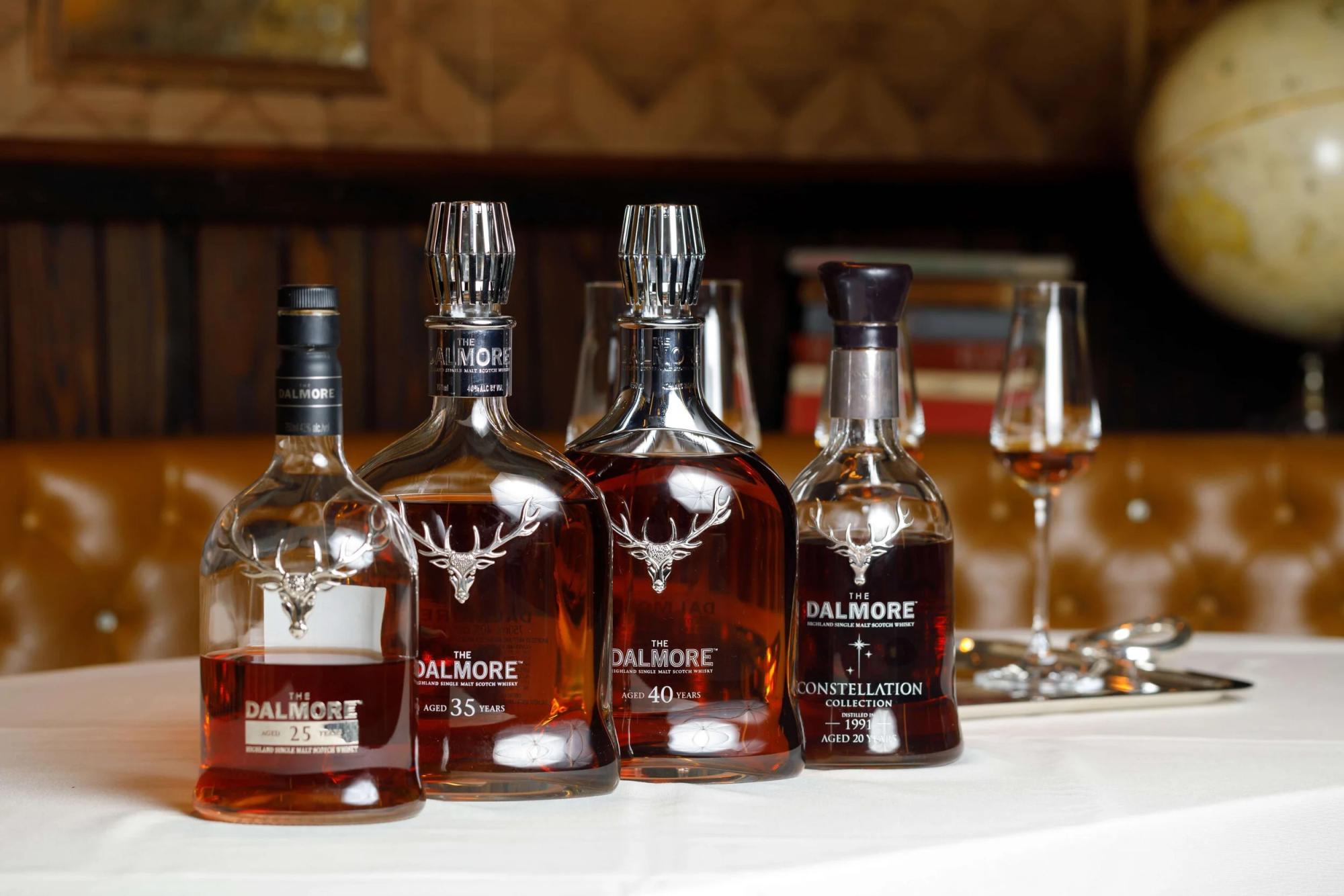
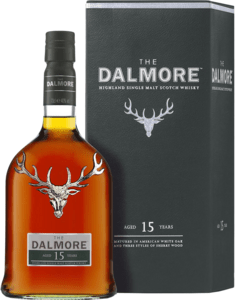
Dalmore was founded in 1839 and today belongs to Whyte & Mackay. It is considered their most luxurious brand.
For many years, it was led by legendary master distiller Richard Paterson, whose work is now overseen by Greg Glass, but Paterson remains an ambassador.
Dalmore is matured predominantly in sherry and bourbon casks and offers rich, robust profiles.
Typical tones:
-
sherry, cocoa, coffee, ginger, citrus, spice, wood
Recommended bottling:
-
Dalmore Port Wood Reserve
-
Dalmore 12 Sherry Cask Select
Dalmore



Highlands as a gateway to the world of Scotch whisky
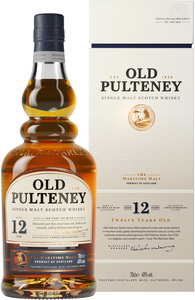
The Highlands region offers a huge spectrum of flavors – from delicate and malty to smoky and robust. In addition to the distilleries mentioned above, we can also find Oban, Glenglassaugh or Old Pulteney, which bring a maritime character similar to island whiskeys.
The Highlands are therefore the ideal place for anyone who wants to learn about the world of Scotch whisky and discover their own style. Sláinte!