Fruit liqueurs are among the most popular sweet spirits. They are made from various types of fruit – from citrus and berries to exotic fruits like mango, melon, or pomegranate. Each brings a unique character – from refreshing tartness to a full,…
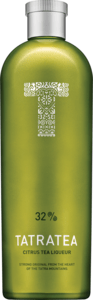
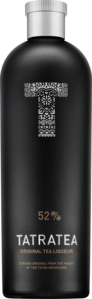
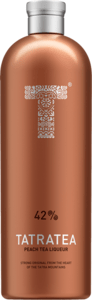
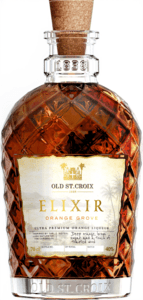
Fruit liqueurs are among the most popular sweet spirits. They are made from various types of fruit – from citrus and berries to exotic fruits like mango, melon, or pomegranate. Each brings a unique character – from refreshing tartness to a full, sweet flavor that captivates with the first sip.
How fruit liqueurs are made
The basis of their production is the maceration or distillation of fruit in alcohol, often with the addition of natural aromas and a small amount of sugar to enhance the fruity profile. Some types, like orange or tangerine liqueurs, are also made from the peel to achieve a pronounced bitter-sweet taste. This makes fruit liqueurs versatile, harmonious, and perfectly balanced.
Uses and serving tips
Fruit liqueurs are great for making mixed drinks, flambéing desserts, or as a digestif after a meal. Chilled with ice, they refresh during the summer, while in winter they shine when combined with hot chocolate or coffee.
If you love fruity freshness in liquid form, be sure to explore flower liqueurs with a delicate rose aroma, exotic liqueurs with tropical notes, or liqueur sets with advantageous packaging, perfect for discovering new flavors.
Fruit liqueurs are among the most popular sweet spirits. They are made from various types of fruit – from citrus and berries to exotic fruits like mango, melon, or pomegranate. Each brings a unique character – from refreshing tartness to a full,…
Fruit liqueurs are among the most popular sweet spirits. They are made from various types of fruit – from citrus and berries to exotic fruits like mango, melon, or pomegranate. Each brings a unique character – from refreshing tartness to a full, sweet flavor that captivates with the first sip.
How fruit liqueurs are made
The basis of their production is the maceration or distillation of fruit in alcohol, often with the addition of natural aromas and a small amount of sugar to enhance the fruity profile. Some types, like orange or tangerine liqueurs, are also made from the peel to achieve a pronounced bitter-sweet taste. This makes fruit liqueurs versatile, harmonious, and perfectly balanced.
Uses and serving tips
Fruit liqueurs are great for making mixed drinks, flambéing desserts, or as a digestif after a meal. Chilled with ice, they refresh during the summer, while in winter they shine when combined with hot chocolate or coffee.
If you love fruity freshness in liquid form, be sure to explore flower liqueurs with a delicate rose aroma, exotic liqueurs with tropical notes, or liqueur sets with advantageous packaging, perfect for discovering new flavors.