



How to choose Cognac?
Choosing the right cognac is truly an art. However, we can help you with that. Come take a look with us at a brief history of this exclusive drink!
Cognac is a distilled alcoholic beverage produced in the French region of Cognac covering a large part of the department Charente and Charente-Maritime, adhering to the regulations and standards of production since the time of authorization to use the name - Cognac.
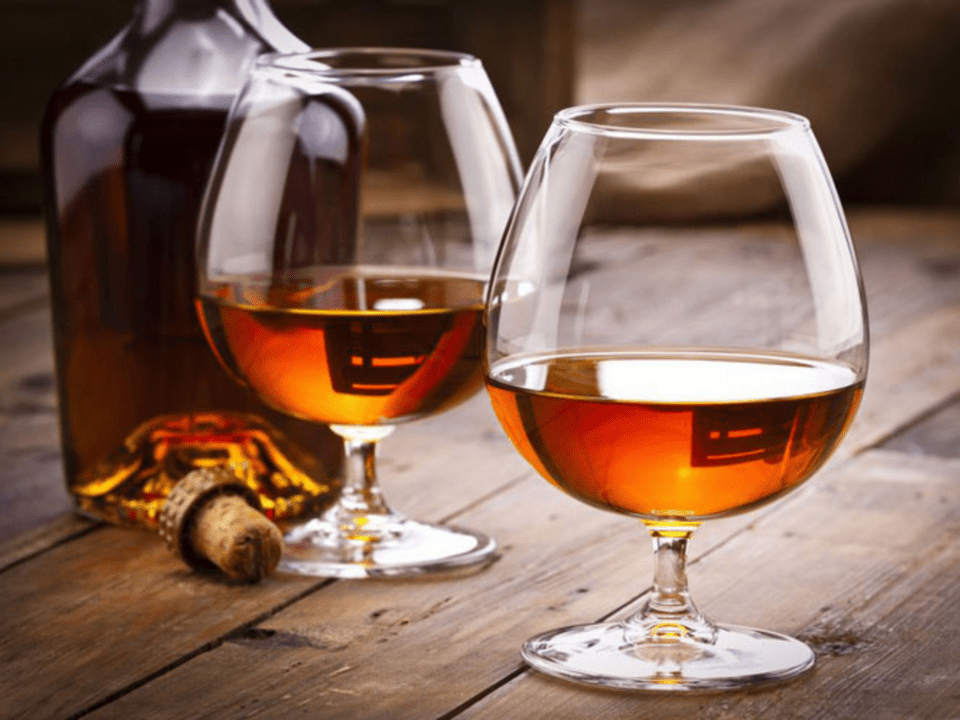

Cognac officially began production in 1938 in the French region of Cognac, it is distilled from grapes and then aged in barrels for various periods.

The controlled name zone Cognac is established by decree from May 1, 1909, including the characteristics of the soils determined by geologist Henri Coquand in 1860. Since 1938, it has been permitted to blend grapes in the production of wine for cognac coming from these regions, with the order of the list following the quality grade of the varieties:
- Grande Champagne, the 1st cognac area, from which the distillates are of the finest quality
- Petite Champagne, a high-quality area
- Borderies, an area where the aging of the distillate is faster than in Petite Champagne
- Fins Bois, the largest production zone
- Bons Bois, which has a characteristic bouquet of the area's soil
- Bois Ordinaires, where the aging of the distillate is quick and the groundwater is influenced by the ocean
The geographical definition of these various areas provides an assessment of the terroirs in terms of soil qualities and climate.
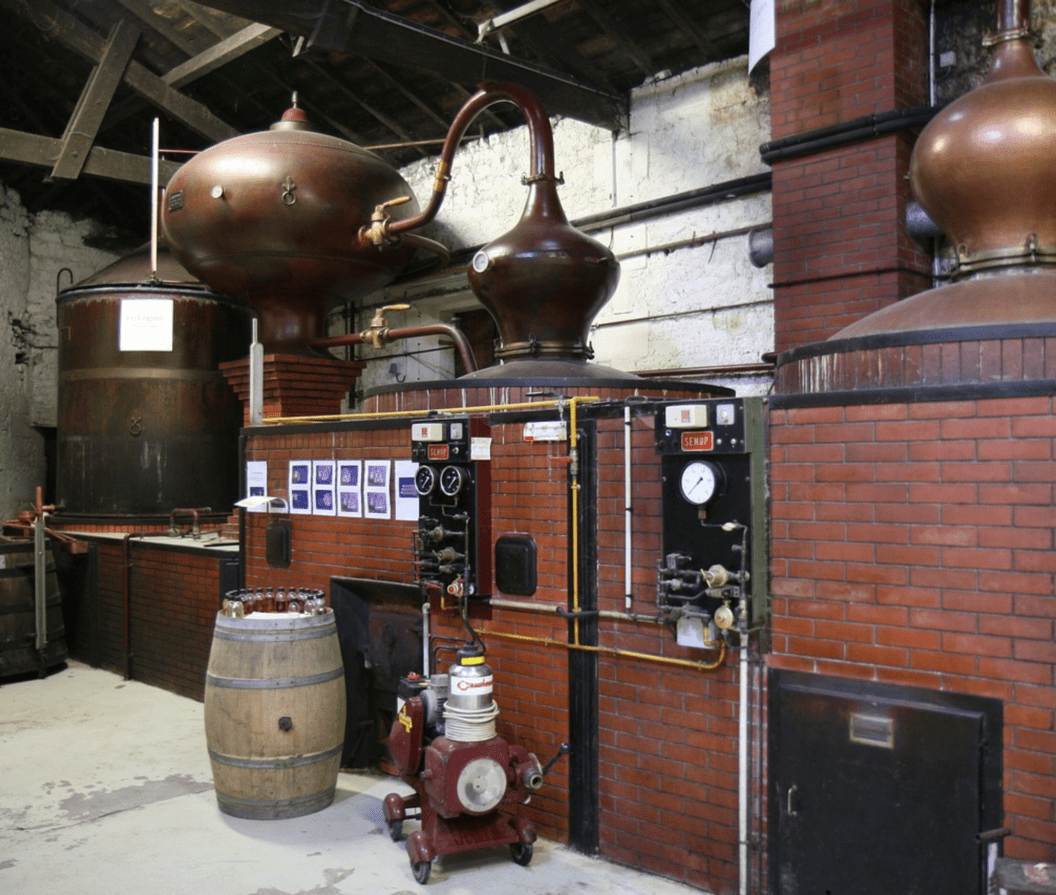
Double distillation allows for the production of high-quality alcohol. The distillation is performed twice (double heating) in a copper distillation apparatus called Charentsky Alambik, whose maximum wine content is regulated by law.
During the first distillation – heating – a product with 30% alcohol is obtained. This is followed by the second distillation of this product. The distillation worker, a specialist, separates the stages of distillation based on measuring the alcohol content, sensory perception, and their knowledge: heads – the first condensate, tails – the last condensate, and the heart of the distillation.
The liquid product, the heart of the distillation, has a high alcohol content (68% – 72%) and is not consumable. The distillate is filled into new oak barrels, where it must age for at least two years. However, after about three-quarters of a year, it is transferred to older barrels, in which other harvests have already aged. It holds that the longer the cognac ages in new barrels, the longer it must age in older barrels. Before being released to the market, the distillate is diluted with distilled or demineralized water to 40% product.


Cognacs are labeled with letters or names based on the age of the blend and the youngest distillate in the blend. In 1865, Maurice Hennessy created the official scale that is still used today:
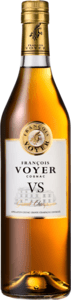
- V.S. - Very Spéciale
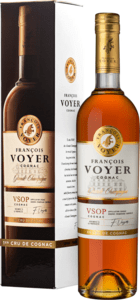
- V.S.O.P. - Very Superior Old Pale
- X.O. - Extra Old
- Exclusive cognacs, vintage
A blend of brandies, the youngest of which is at least 2 years.

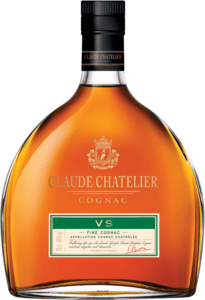
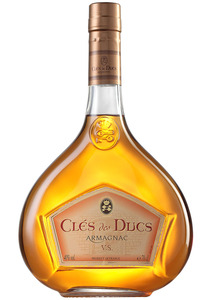
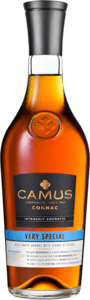
Blend of brandies, the youngest of which is at least 4 years.

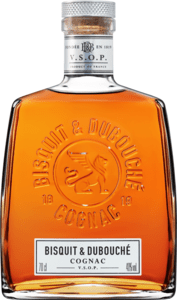

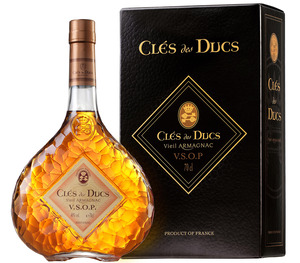

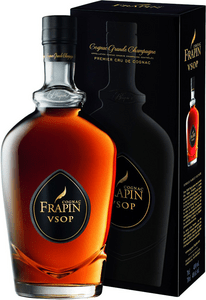
Blend of brandies, with the youngest blend being at least 10 years.

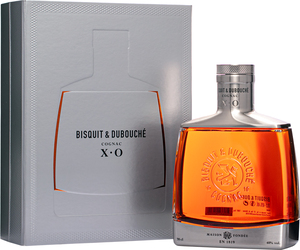
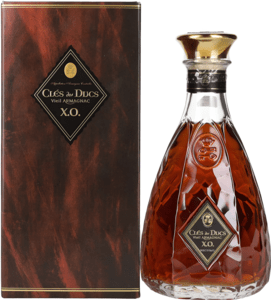
However, manufacturers use significantly older types of cognac than the minimum required, and therefore distinguish cognacs with additional names:
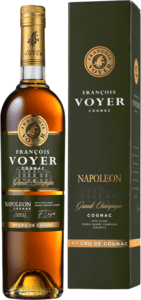
Napoleon – falls between VSOP and XO cognacs
Extra – ranks above XO cognacs
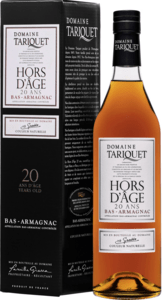
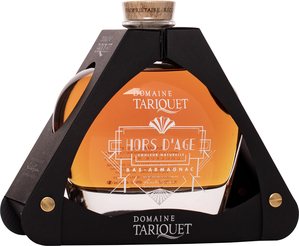
Hors d’Age – denotes high-quality cognacs aged up to 100 years
Vintage – vintage cognacs, the blend is from a single year