




The difference between Tequila and Mezcal
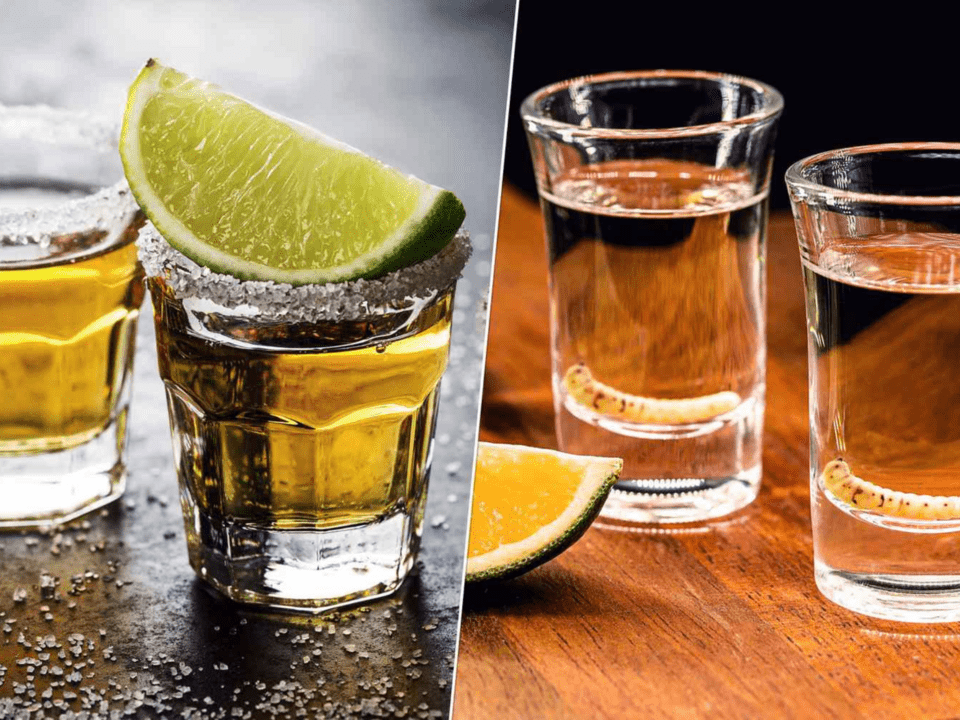

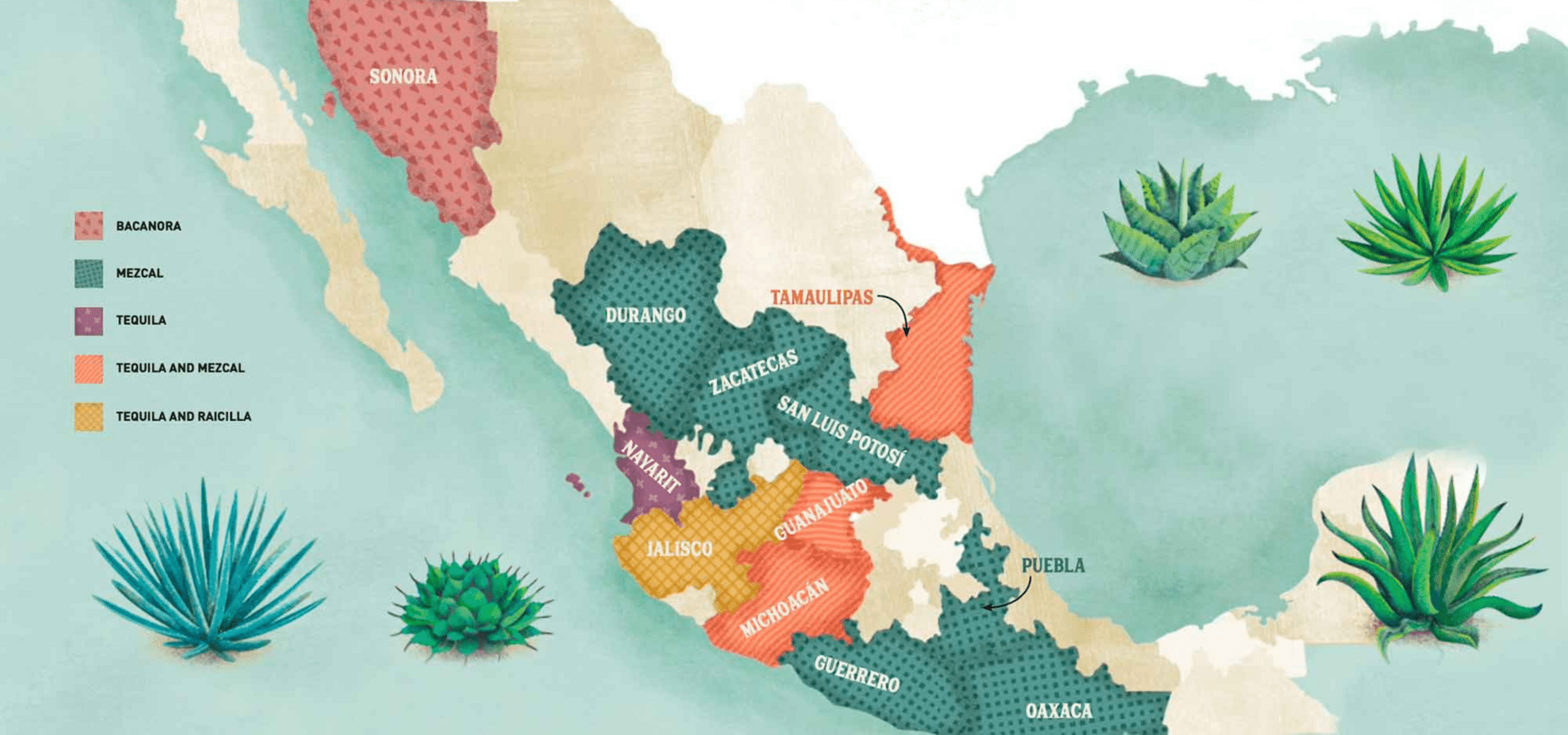
Every tequila is mezcal, but not every mezcal is tequila. In simple terms, mezcal is an agave alcoholic beverage. And tequila is a type of mezcal made from a specific type of agave. Tequila and mezcal are produced in different parts of Mexico.
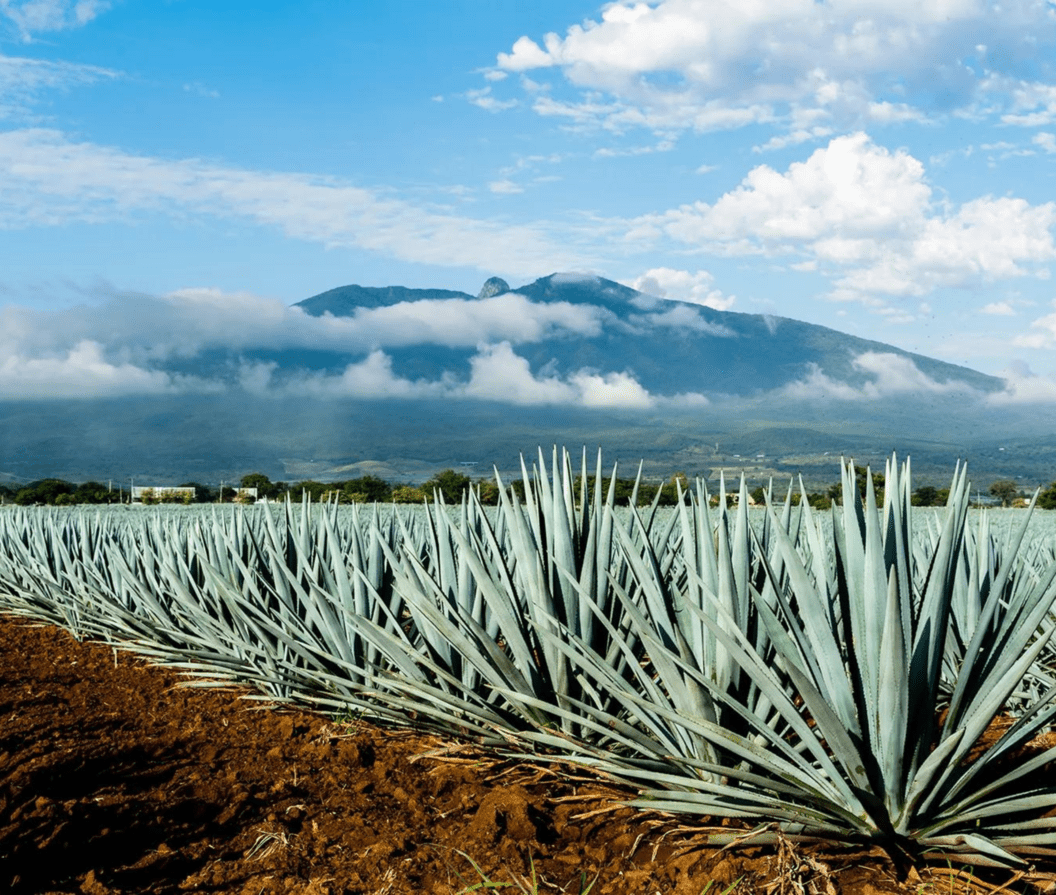
Although tequila and mezcal differ in many ways, they share a common origin in the heart of the agave. From this remarkable plant, the Mexican people derive their two national spirits, each with its own characteristics and nuances. Let’s explore the differences and similarities of these two great drinks, which encompass a range of styles from traditional blanco tequilas and mezcals to more modern reposados and añejos.
Agave is an evergreen perennial that produces beautiful rosettes of dense, spiky, gray-green leaves. Each leaf features a distinctive, creamy-white central stripe. The fleshy leaves are armed along the edges with curved spines.
Mezcal, the mysterious essence of Mexican spirits distilled from fermented agave juice, blooms in various forms. Tequila, the noble member of the mezcal family, is exclusively made from blue Weber agave in the state of Jalisco, where most of this drink is produced. However, some regions also lend their territory for tequila production in other parts of the country.
These two drinks boldly differ from each other, presenting an interesting contrast in unique and shared characteristics. Tequila emerges as a symbol of purity and subtle elegance, while mezcal presents itself with a proud rustic style, accompanied by a distinct smoky note. Both of these gems offer a glimpse into the vibrant palette of Mexican cultural reflections, each with its own secret and charm.

Tequila is an icon of Mexican spirits, a drink with a rich history and unique production methods.
Tequila is made from fermented agave juice, specifically from the blue agave Weber.
The plant must be at least 6 to 8 years old to provide enough sugar for fermentation.
The hands of experienced jimadores - agave growers, are essential in harvesting agave.
The leaves are removed, leaving the core, known as "piña," which is baked to create the sugary juice.
Piñas are baked in a brick or stone oven, giving tequila its characteristic smoky note. This step releases sugars and creates distinct flavors. The sugary juice is fermented, often in wooden barrels. It is then distilled, where impurities are removed and tequila with the desired alcohol content is obtained. Some tequilas are aged in wooden barrels, adding complexity and smoothness.
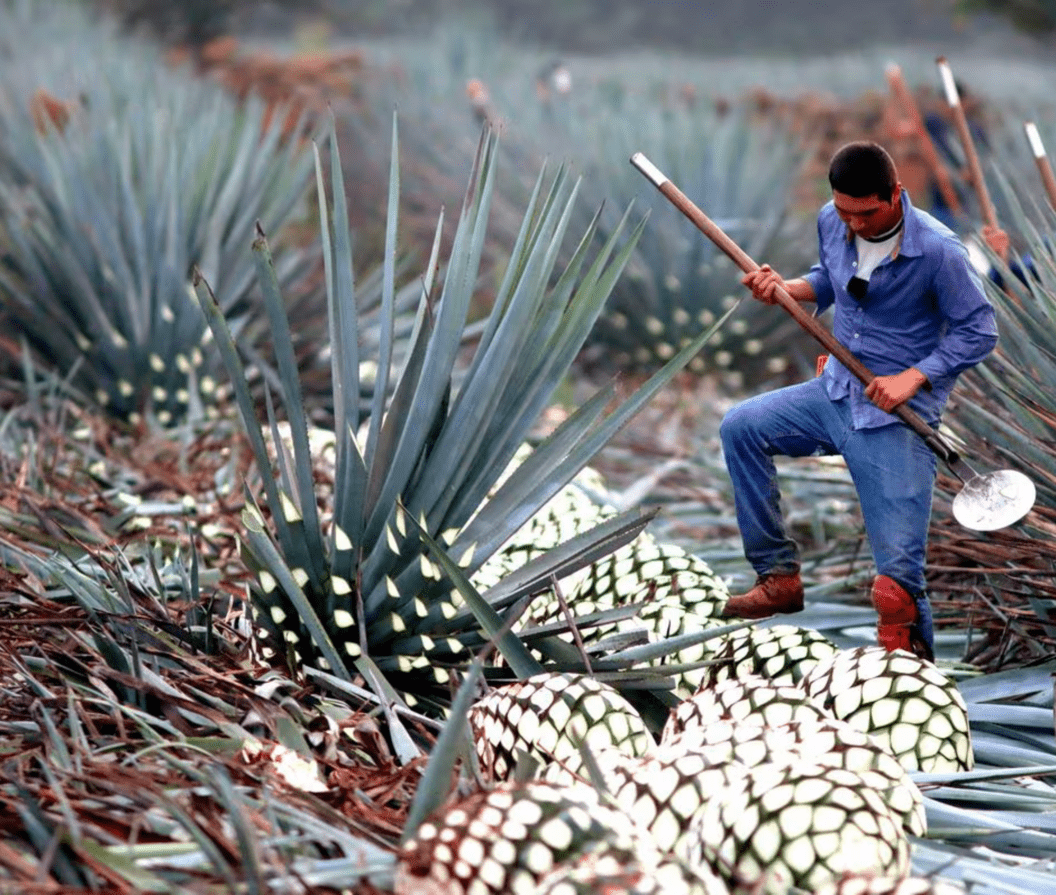
Jimadores, as the agave growers in Mexico are called, must harvest enormous fruits that often weigh several dozen kilograms. They do this by hand, using a type of hoe. To reach the desired fruit, they first have to cut down the twelve-year-old agave, then trim it and remove the leaves.
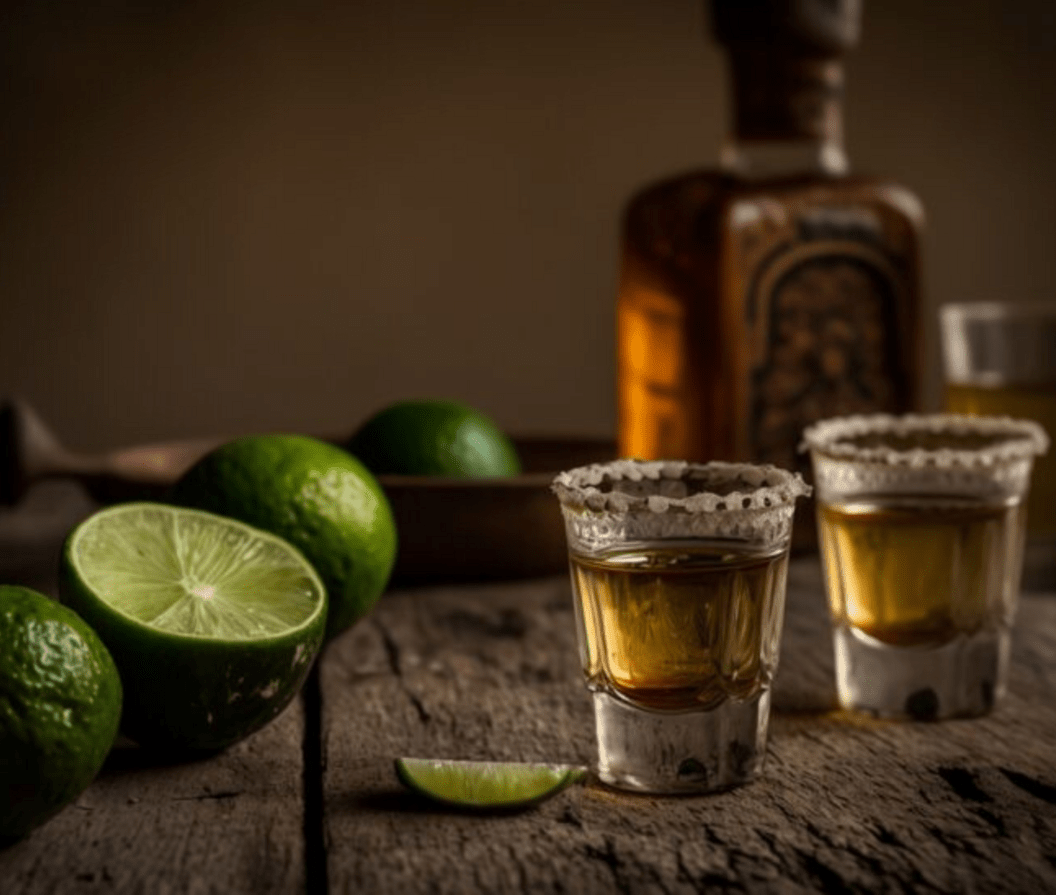
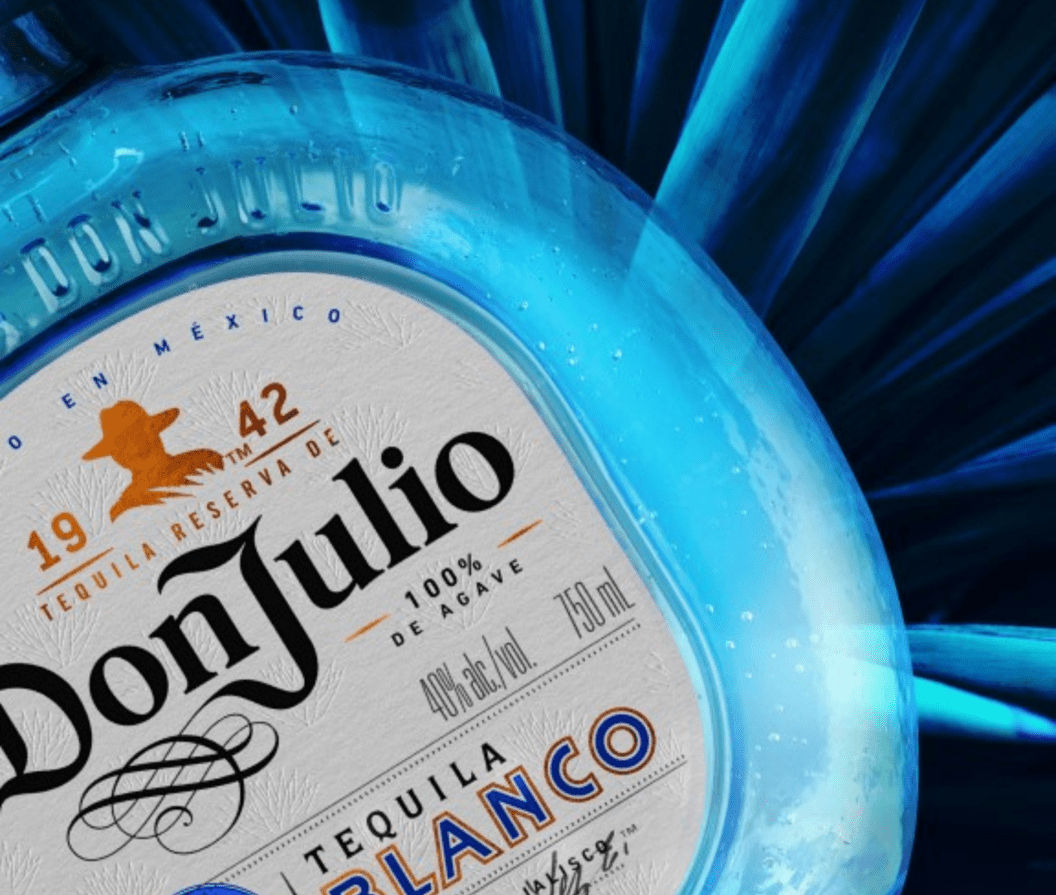
Tequila Blanco - unaged tequila, straight after distillation. It has a clean, fresh taste and bright color.
Tequila Reposado - aged in barrels for 2 to 12 months. It gains smoothness and better balance of flavors.
Tequila Añejo - aged in barrels for 1 to 3 years. Characterized by its darker shades and rich, caramel flavor.
Tequila Extra Añejo - aged for more than 3 years. Extremely smooth, with pronounced woody and spicy notes.
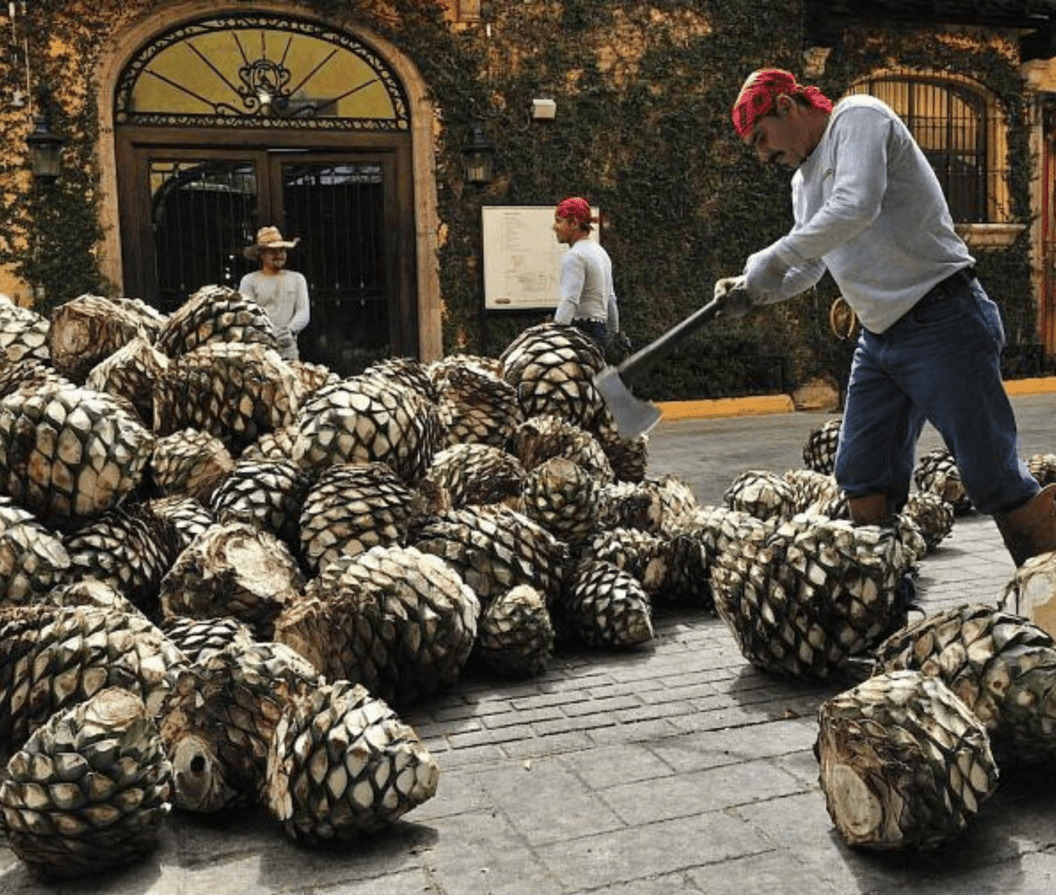
Mezcal can be made from various types of agave, not just blue Weber agave.
Agave harvesting is done by hand, and its process is similar to that of tequila.
Agave is traditionally cooked in underground pits with hot stones and wood, which adds a characteristic smoky flavor.
Afterward, the agave is crushed using hand mills or stones. Corn straw, known as "penca," is often placed on top of the fermentation vessel for richer flavor. Fermentation can take place in wooden barrels or open pits. Mezcal is traditionally distilled in copper pot stills.
There are many variations of mezcal, influenced by the type of agave used, the production region, and traditional methods.
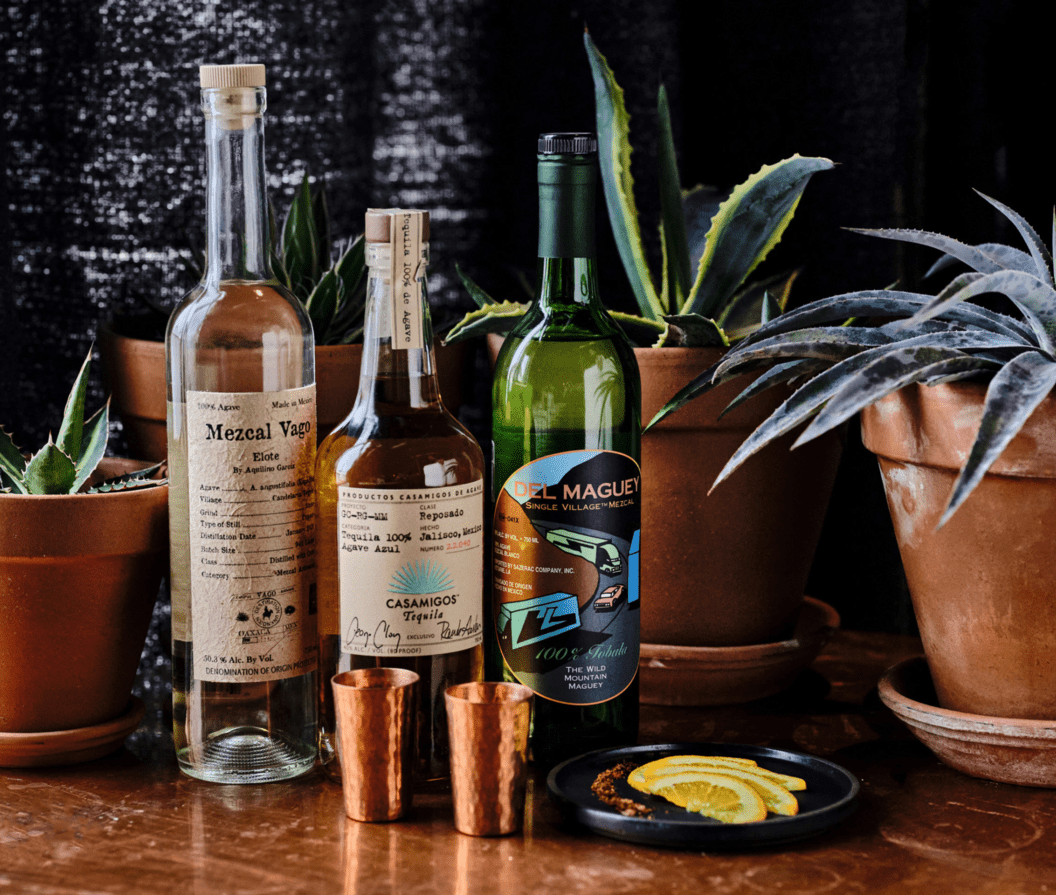
Mezcal Joven - unaged mezcal, without aging in wooden barrels. Retains the fresh and full flavor of agave.
Mezcal Reposado - aged in barrels for 2 to 12 months. Gains a smoother texture and finer notes.
Mezcal Añejo - aged in barrels for 1 to 3 years. Characterized by darker colors and more complex flavors.
Mezcal Extra Añejo - aged for more than 3 years. Rich in bold, deep flavors and a luxurious texture.