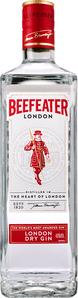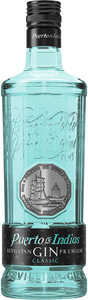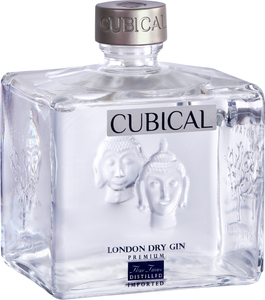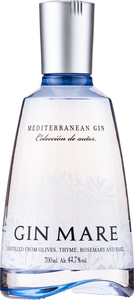







How to choose Gin?
Choosing the right gin is truly an art. However, we can help you with that. Come take a look with us at a brief history of this mysterious drink!
Gin is an alcoholic beverage, and its main ingredients are juniper berries and grain.


His journey began in Holland in 1650, when he was discovered by the inventor Franz de le Boë, who was known by the name Franciscus Sylvius. Sylvius, a professor of medicine at Leiden University, was originally searching for a cheap diuretic to treat kidney problems.
Sylvius decided to experiment and combined two diuretic raw materials - juniper berry oil and grain distillate. This combination resulted in a mixture he called "genever" (from the French "genévrier" - juniper). This drink, known to English soldiers as "Dutch courage," became popular in England as well and soon was considered the national drink.

The production of gin begins with the fermentation process, during which the present yeast converts the sugar components of the starting raw material (in the case of gin, for example, barley malt) into alcohol. However, there is little of it in the resulting mixture, so the liquid must be distilled repeatedly - along with the herbs and spices that give gin its characteristic properties. The most commonly used herbs and spices are: juniper, coriander, lavender, angelica, mint, licorice...

A historical curiosity is the fact that in the 18th century, the British consumed so much gin that it was perceived as the main cause of crime and societal decline. The famous English painter and engraver William Hogarth condemned this social situation in his work Gin Lane. This effort also contributed to the enactment of the gin act in 1751, aimed at reducing alcohol consumption in the country.
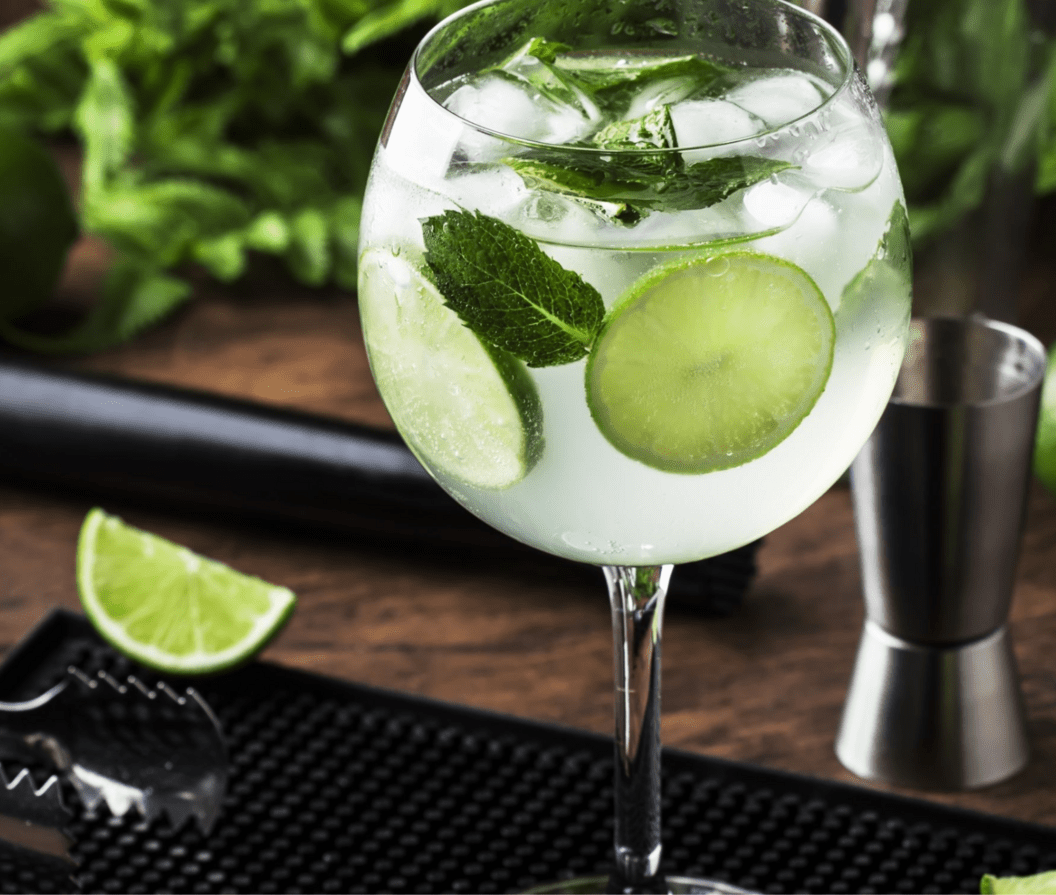
Gin is the base of many mixed drinks, but it was the combination with tonic that made it a legend. So great that the famous gin and tonic even has its own international day – October 19. And as is often the case with many great discoveries, history was also written here by chance.
When an epidemic of malaria broke out among the British colonizers in India, doctors recommended quinine in tonic as a prevention against the insidious disease. The problem was the bitterness, but the resourceful soldiers quickly found a solution – diluting it with water, sugar, lime, and gin, a drink that was extremely popular among the British. The rest is history, and since then, hundreds of years have passed, and gin and tonic has risen from a relatively uninventive recipe to one of the most versatile drinks ever.

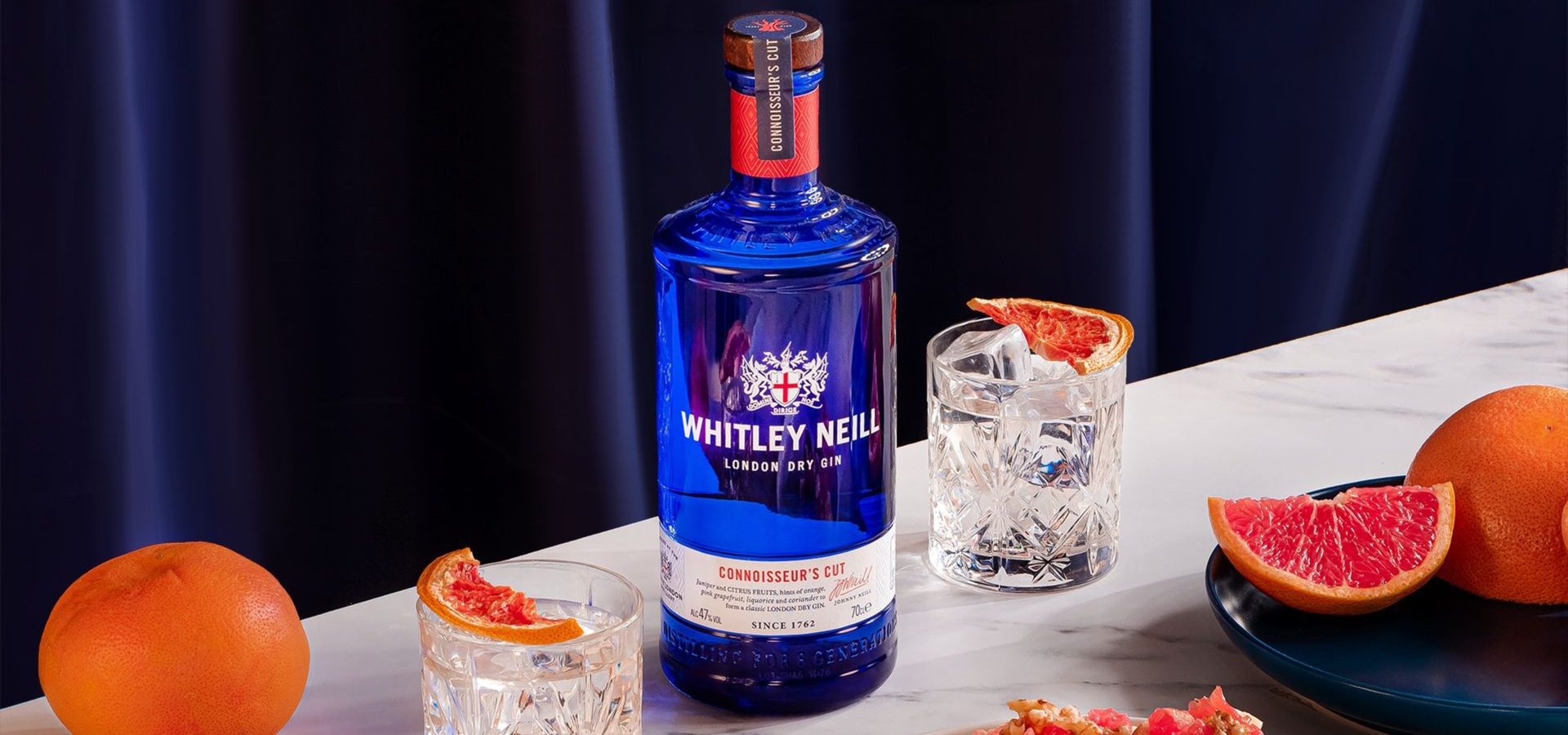
- London Dry: this type, also known as "dry," is the most basic and widely used type of gin. It is made from grain spirit, which must be of organic origin. After distillation, it is diluted with water to the desired strength. Although the name is derived from London, it is not a rule that it must be produced in this city.
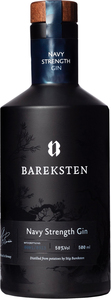
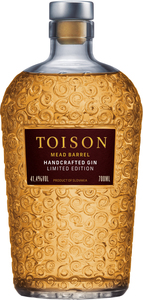
- Genever or Navy, Aged Gin: the original Dutch gin invented by Dr. Sylvius, it is made similarly to whisky and aged in oak barrels. This type of gin is not suitable for mixing into cocktails and is recommended to be consumed neat or with ice.
- Botanical Gin: gin with a more aromatic scent and flavor, made with more spices and herbs
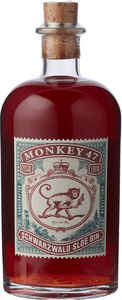
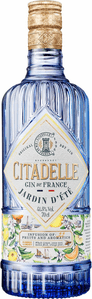
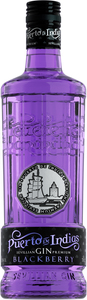
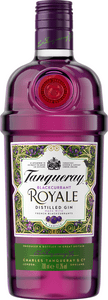
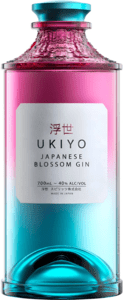
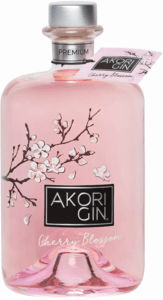
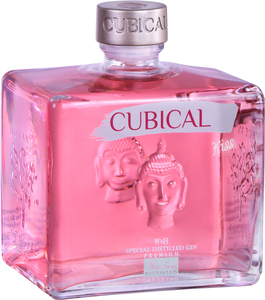
- Flavored Gin: gin flavored with various exotic or berry fruits - raspberries, strawberries, pineapple, mango...
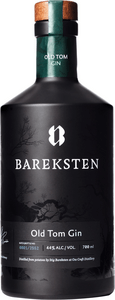
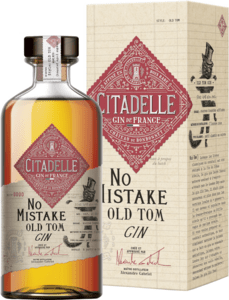
- Old Tom Gin: an old method of gin production from the time when the distillation process was not yet perfected, resulting in a rough spirit that had sugar added to soften the taste and make it more palatable