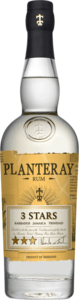
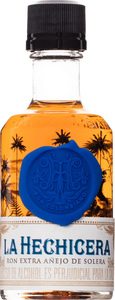
Rum is the soul of the Caribbean – a drink with a rich history, passionate craftsmanship, and endless variety of flavors. It is made from sugar cane, molasses, or cane juice and ages in oak barrels under the hot tropical sun. The result is a…
Rum is the soul of the Caribbean – a drink with a rich history, passionate craftsmanship, and endless variety of flavors. It is made from sugar cane, molasses, or cane juice and ages in oak barrels under the hot tropical sun. The result is a distillate that combines sweetness, spice, and exoticism in every sip.
From the Caribbean to the World
Every rum tells its story – from the wild ester-rich Jamaican rums to the smooth and balanced Barbadian ones, to the elegant Guatemalan varieties. Among the most famous countries of origin are Jamaica, Barbados, the Dominican Republic, Cuba, Nicaragua, and Guatemala. However, we definitely recommend trying unique rums from Indonesia, the Philippines, or India.
Three Main Styles of Rum
The type and origin of rum can often be inferred from its name.
Spanish “Ron” – smooth, harmonious, and elegant, often with notes of vanilla, caramel, or honey. Primarily from Cuba, Panama, Venezuela, and the Dominican Republic. English “Rum” – heavier, fuller, and spicier, with characteristics of molasses, tropical fruits, and smoke. Typical of Jamaica, Barbados, or Trinidad. French “Rhum agricole” – made directly from fresh cane juice, capturing its vegetal, dry, and mineral profile. Most famous from Martinique and Guadeloupe.
If you are looking for authentic flavors from these regions, we recommend discovering Caribbean rum, which carries the spirit of tropical islands and the artisanal tradition of production.
Aging, Color, and Flavor
After distillation, rum is clear, gaining its well-known brown color only during aging in barrels. These are mostly oak barrels previously used for bourbon, sherry, or wine. They influence not only the color but also the flavor, smoothness, and complexity.
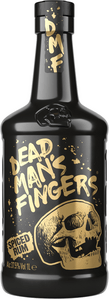
White rum ages briefly and stands out with a fresh flavor, ideal for mixed cocktails. Dark rum brings notes of caramel, wood, cocoa, and dried fruits – perfect for sipping slowly. Spiced rum is flavored with natural spices like vanilla, cinnamon, or clove, giving it a warm, aromatic character. Flavored rum offers fruity and exotic notes, from coconut to mango to citrus.
Let’s not forget cachaça, a traditional Brazilian drink distilled from fresh cane juice. It is similar to rum but usually does not age at all or only for a few weeks.
How to Choose the Right One
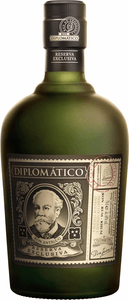
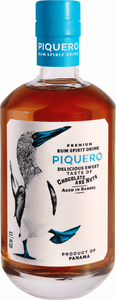
Of course, based on taste. For beginners, sweeter rums are ideal. Usually aged in sherry or wine barrels. The most popular brands are Dos Maderas or Diplomático. If you are looking for really sweet rums, check out the Rum Spirit category. These rums have a higher sugar content and generally lower alcohol content.
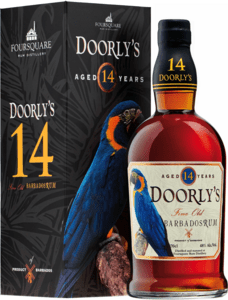
For the more experienced, classic dark rums like Matusalem or Doorlys are a good choice. And for true connoisseurs, we recommend dry rums like Foursquare or Hampden, limited editions, or Single Cask editions.
Rum is the soul of the Caribbean – a drink with a rich history, passionate craftsmanship, and endless variety of flavors. It is made from sugar cane, molasses, or cane juice and ages in oak barrels under the hot tropical sun. The result is a…
Rum is the soul of the Caribbean – a drink with a rich history, passionate craftsmanship, and endless variety of flavors. It is made from sugar cane, molasses, or cane juice and ages in oak barrels under the hot tropical sun. The result is a distillate that combines sweetness, spice, and exoticism in every sip.
From the Caribbean to the World
Every rum tells its story – from the wild ester-rich Jamaican rums to the smooth and balanced Barbadian ones, to the elegant Guatemalan varieties. Among the most famous countries of origin are Jamaica, Barbados, the Dominican Republic, Cuba, Nicaragua, and Guatemala. However, we definitely recommend trying unique rums from Indonesia, the Philippines, or India.
Three Main Styles of Rum
The type and origin of rum can often be inferred from its name.
Spanish “Ron” – smooth, harmonious, and elegant, often with notes of vanilla, caramel, or honey. Primarily from Cuba, Panama, Venezuela, and the Dominican Republic. English “Rum” – heavier, fuller, and spicier, with characteristics of molasses, tropical fruits, and smoke. Typical of Jamaica, Barbados, or Trinidad. French “Rhum agricole” – made directly from fresh cane juice, capturing its vegetal, dry, and mineral profile. Most famous from Martinique and Guadeloupe.
If you are looking for authentic flavors from these regions, we recommend discovering Caribbean rum, which carries the spirit of tropical islands and the artisanal tradition of production.
Aging, Color, and Flavor
After distillation, rum is clear, gaining its well-known brown color only during aging in barrels. These are mostly oak barrels previously used for bourbon, sherry, or wine. They influence not only the color but also the flavor, smoothness, and complexity.
White rum ages briefly and stands out with a fresh flavor, ideal for mixed cocktails. Dark rum brings notes of caramel, wood, cocoa, and dried fruits – perfect for sipping slowly. Spiced rum is flavored with natural spices like vanilla, cinnamon, or clove, giving it a warm, aromatic character. Flavored rum offers fruity and exotic notes, from coconut to mango to citrus.
Let’s not forget cachaça, a traditional Brazilian drink distilled from fresh cane juice. It is similar to rum but usually does not age at all or only for a few weeks.
How to Choose the Right One
Of course, based on taste. For beginners, sweeter rums are ideal. Usually aged in sherry or wine barrels. The most popular brands are Dos Maderas or Diplomático. If you are looking for really sweet rums, check out the Rum Spirit category. These rums have a higher sugar content and generally lower alcohol content.
For the more experienced, classic dark rums like Matusalem or Doorlys are a good choice. And for true connoisseurs, we recommend dry rums like Foursquare or Hampden, limited editions, or Single Cask editions.