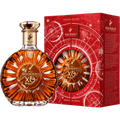
From 21 September to 28 September 2026, get 10 % off all non-discounted cognacs. Simply enter the code: COGNAC0926. The total value of cognacs in your order must exceed €40.
Liqueurs are synonymous with indulgence, tradition, and endless variety of flavors. They are sweet alcoholic beverages created by combining distillate with fruits, herbs, spices, or cream. Their typical characteristic is a higher content of sugar,…
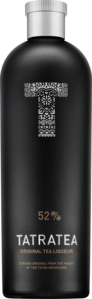
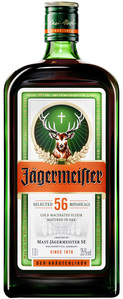
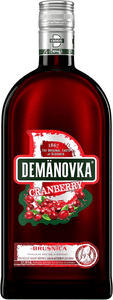
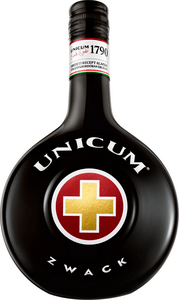
Liqueurs are synonymous with indulgence, tradition, and endless variety of flavors. They are sweet alcoholic beverages created by combining distillate with fruits, herbs, spices, or cream. Their typical characteristic is a higher content of sugar, at least 100 g per liter, and an unmistakable aroma that makes each liqueur a small liquid dessert.
From Monastic Recipes to Modern Delicacies
The roots of liqueur production date back to the Middle Ages when monks made them as medicinal elixirs from herbs and spices. The word liqueur comes from the Latin “liquifacere,” which means “to dissolve” – a reference to the process of dissolving flavoring substances in alcohol. The first Italian and French liqueurs appeared as early as the 13th century and quickly spread across Europe.
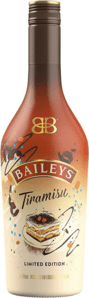
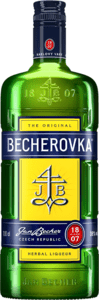
Today, there are countless styles, from herbal and coffee to creamy and chocolatey, as well as fruity or exotic. Some liqueurs are bold and aromatic, while others are smooth and creamy, but they all share one thing in common – they are perfect for slow sipping.
Liqueurs are most often enjoyed neat, but they are also a popular ingredient in mixed drinks or desserts. Softer varieties were once referred to as “rozoliš” – derived from the Latin ros solis (“sun dew”) after the herb dewberry, which was traditionally used in Italy for their production.
Discover other categories worth tasting — from aromatic anise liqueurs and warming honey liqueurs to value packs of liqueurs. These offer an ideal way to try multiple flavors at once or to get your favorite liqueurs in a convenient package.
Liqueurs are synonymous with indulgence, tradition, and endless variety of flavors. They are sweet alcoholic beverages created by combining distillate with fruits, herbs, spices, or cream. Their typical characteristic is a higher content of sugar,…
Liqueurs are synonymous with indulgence, tradition, and endless variety of flavors. They are sweet alcoholic beverages created by combining distillate with fruits, herbs, spices, or cream. Their typical characteristic is a higher content of sugar, at least 100 g per liter, and an unmistakable aroma that makes each liqueur a small liquid dessert.
From Monastic Recipes to Modern Delicacies
The roots of liqueur production date back to the Middle Ages when monks made them as medicinal elixirs from herbs and spices. The word liqueur comes from the Latin “liquifacere,” which means “to dissolve” – a reference to the process of dissolving flavoring substances in alcohol. The first Italian and French liqueurs appeared as early as the 13th century and quickly spread across Europe.
Today, there are countless styles, from herbal and coffee to creamy and chocolatey, as well as fruity or exotic. Some liqueurs are bold and aromatic, while others are smooth and creamy, but they all share one thing in common – they are perfect for slow sipping.
Liqueurs are most often enjoyed neat, but they are also a popular ingredient in mixed drinks or desserts. Softer varieties were once referred to as “rozoliš” – derived from the Latin ros solis (“sun dew”) after the herb dewberry, which was traditionally used in Italy for their production.
Discover other categories worth tasting — from aromatic anise liqueurs and warming honey liqueurs to value packs of liqueurs. These offer an ideal way to try multiple flavors at once or to get your favorite liqueurs in a convenient package.