




How to choose Rum?
Choosing the right rum is truly an art. However, we can help you with that. Come take a look with us at a brief history of this phenomenal drink!
Rum has a fascinating history full of interesting stories! The word "rum" likely comes from the English slang term "rumbullion," which means something like "explosion" or "commotion." And indeed, rum has caused quite a commotion throughout history.
Rum is an alcoholic beverage made from sugarcane.


Rum officially originated in the 17th century on the island of Barbados and from there it spread to other parts of the Caribbean with the help of pirates. But what is even more interesting is that rum-like elements appeared in China and India much earlier.
During the 18th and 19th centuries, rum became a popular drink on the islands of Jamaica, Haiti and Trinidad. Other Caribbean countries, such as Cuba and Puerto Rico, also appreciated the taste of rum and became major producers. And so we have rum, a drink with a fascinating origin and an even more intriguing history, that has spread all over the world.

The production of rum begins with gathering and pressing sugarcane, which leads to the separation of juice from fibrous material. This juice is then processed and boiled, allowing the separation of sugar residues from the liquid. This liquid is fermented using yeast, which means that microorganisms are introduced that convert sugar into alcohol.

After fermentation, distillation follows, which is carried out in a distillation kettle. Distillation helps to separate and extract alcohol from the liquid that was created by fermentation. This process can be repeated several times to achieve the desired alcohol content and improve the quality of the rum. After distillation, the rum maturation process begins. Rum is usually aged in oak barrels, where it acquires its characteristic color, flavor, and aroma. During maturation, the rum slowly mixes with air and the wooden barrels, which gives it its specific properties. Finally, after aging, the rum is filtered and sometimes water may be added to achieve the desired strength. Rum can age in barrels for various lengths of time, leading to different rum variants with various characteristics.
This is how rum is made worldwide. Each country and each producer may have their own methods and secrets of production that contribute to the uniqueness of their rum. Rum is a popular alcoholic beverage that is used not only on its own but also in various mixed drinks and cocktails.

The alcohol and sugar content is a requirement. In the European Union, rum must contain at least 37.5% alcohol and less than 20 grams of sugar per liter! All other beverages that do not meet these two parameters are not rum.

There are many definitions of rum categories. For easy navigation and based on the criteria that interest our customers, we have divided rums into categories:
Also known as White, Clear, Blanco, Bianco or Planas, it is a colorless rum and serves as the base for all aged rums. White rums typically age in stainless steel tanks and are most commonly used for making mixed drinks that do not require a stronger aroma like dark rums do.


Rhum Agricole is the French term for rums made from sugar cane, originally distilled in the French Caribbean islands from freshly pressed sugar cane juice instead of molasses. Rhum is the term that distinguishes rum made from molasses in French-speaking regions of the West Indies.


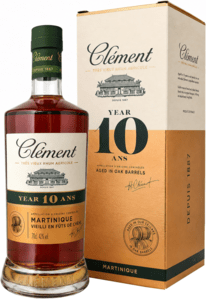


Also known as Dark, Black Rum, these are rums with a heavier body and a more pronounced aroma and flavor, the aging of rums is longer and usually takes place in heavily charred barrels.
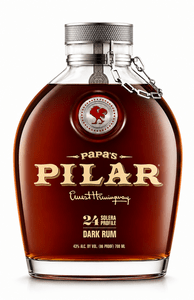


Also known as Spiced Rum, these are rums flavored with various spices such as cinnamon, and are usually made from golden rums.


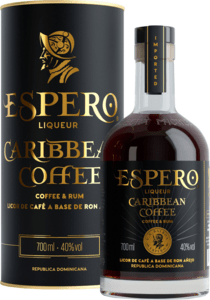
Marked as Flavored or Infused Rum, flavored with various exotic spices, fruits, coffee or chocolate, they are also made from both golden and dark rums.


These are heavy and aromatic rums with a high alcohol content ranging from 50% to 75% or more.