



Margarita: Classic Recipe and How to Make It
A Margarita requires just three ingredients and takes less than a minute to mix. That is precisely why it is so easy to get wrong: with only three ingredients, every little mistake makes a difference. Too much liqueur, bottled lime juice instead of fresh, or the wrong proportions can quickly turn a refreshing cocktail into a drink that is too sour or overly sweet.
Fortunately, the classic Margarita follows a well-established recipe and a few simple rules that help you get it right every time. Below, you will find the ingredients, step-by-step instructions, the ideal proportions, variations including frozen and strawberry Margaritas, common mistakes to avoid, and answers to frequently asked questions.
What Is a Margarita?
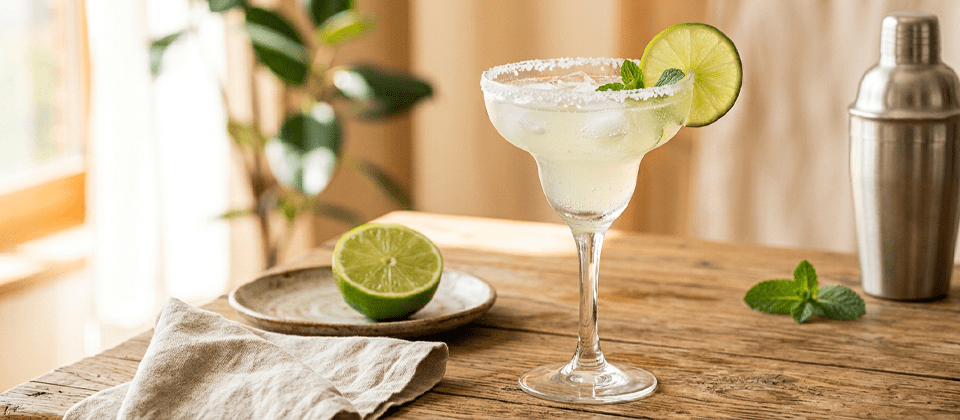
A Margarita is a Mexican cocktail made from three ingredients: tequila, orange liqueur, and fresh lime juice, most commonly served in a glass with a salted rim. It belongs to the family of cocktails known as sours, which combine a spirit, an acidic ingredient, and a sweetener. This gives the Margarita its refreshing, tangy, and slightly sweet flavour.
Ingredients for a Classic Margarita
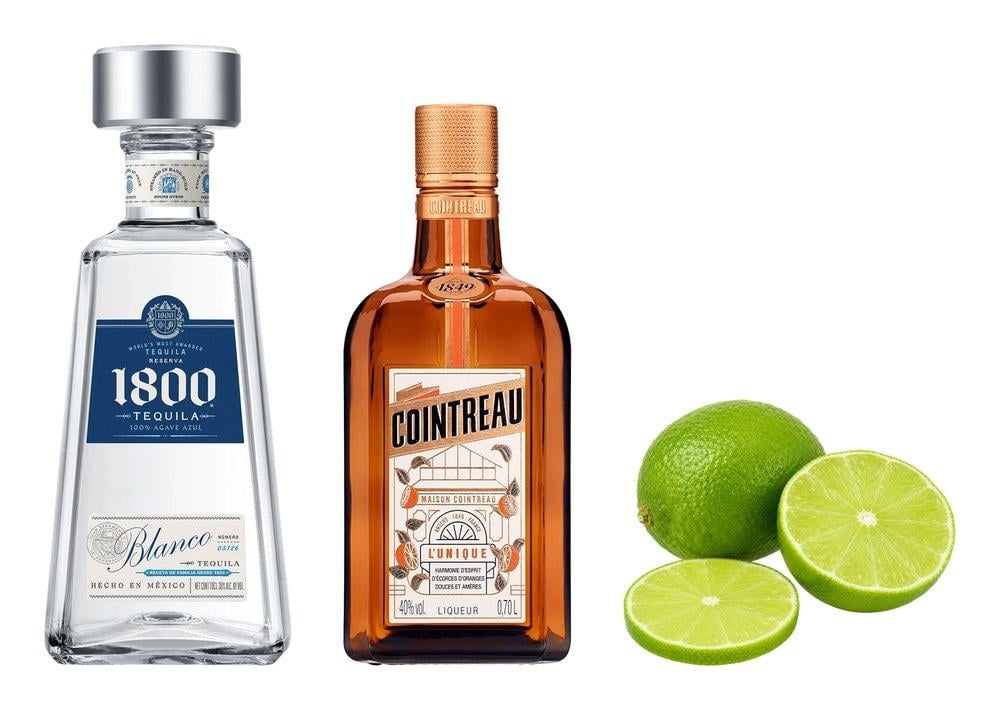
Tip: You can buy both the tequila and orange liqueur for your Margarita directly from us – 1800 Tequila Blanco and Cointreau. Simply add fresh lime and salt at home.
You only need a handful of ingredients to make one classic Margarita. Since the cocktail contains so few ingredients, their quality is essential. It is worth choosing a good tequila and fresh limes. We follow the official proportions recommended by the International Bartenders Association (IBA):
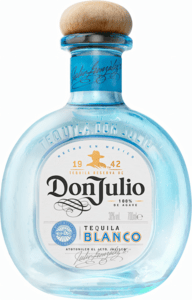
- Tequila – 50 ml. The foundation of the cocktail. Ideally, choose a 100% agave blanco (silver) tequila. Its clean, fresh character allows the citrus flavours to shine. A reliable choice is 1800 Tequila Blanco.
- Orange liqueur – 20 ml. The classic choice is Cointreau, but any high-quality triple sec orange liqueur, such as Bols Triple Sec, will also work. It adds sweetness and depth to the drink.
- Fresh lime juice – 15 ml. Always freshly squeezed. Bottled lime juice tends to taste flat and lacks the freshness that makes a Margarita special.
- Agave syrup – optional, 5 ml. Perfect for adjusting the sweetness and softening the cocktail's sharper notes.
- Coarse salt for the rim of the glass and ice for the shaker.
The 50:20:15 ratio corresponds to approximately ten parts tequila, four parts orange liqueur, and three parts lime juice. Once you remember these proportions, you can easily mix a Margarita even without a measuring jigger.
How to Make a Margarita Step by Step
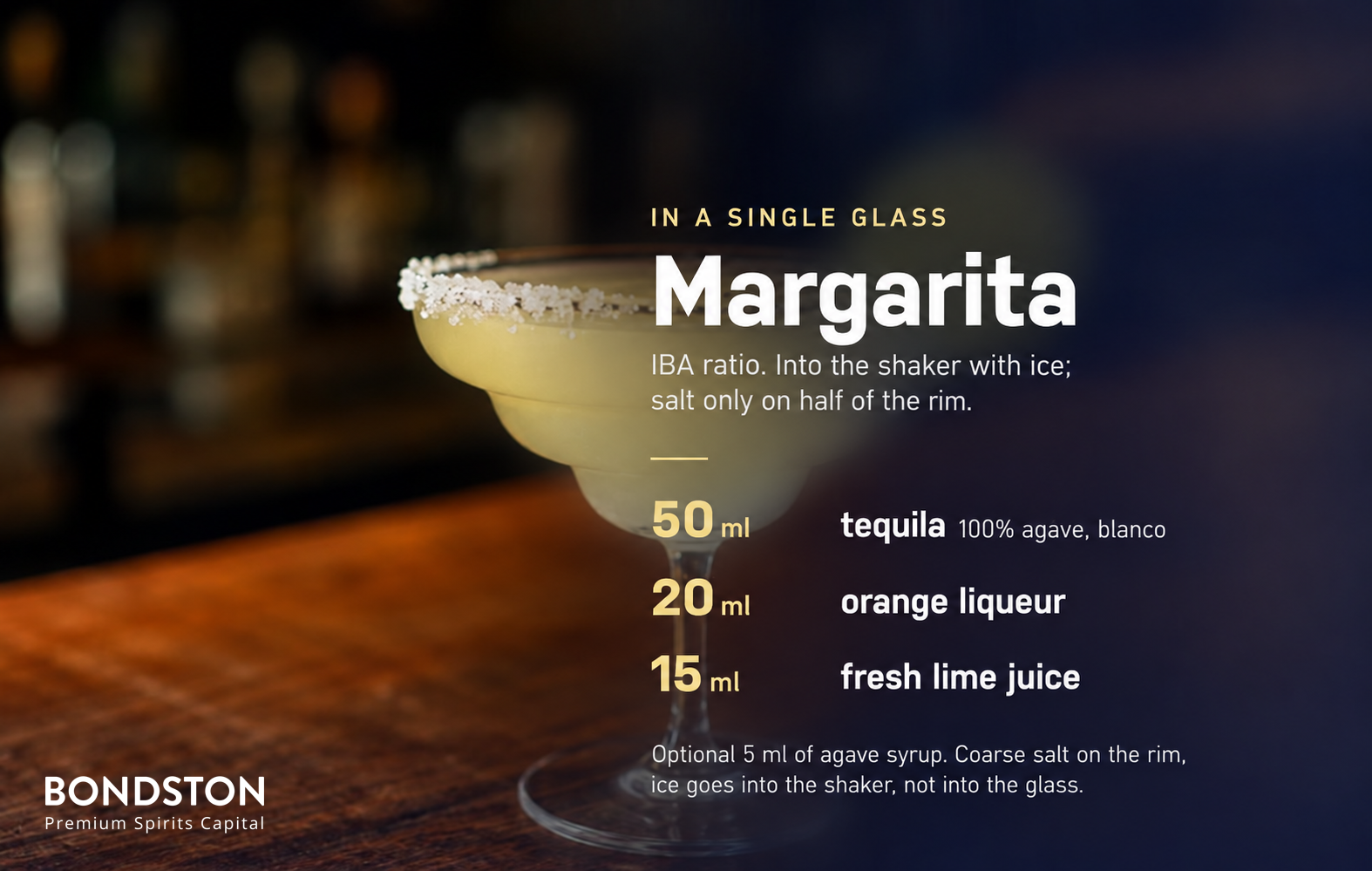
A classic Margarita is shaken with ice, then strained into a glass and served perfectly chilled. The entire process takes about a minute, and all you need is a cocktail shaker, strainer, and measuring jigger.
-
Prepare the glass: Rub a lime wedge around the rim of a chilled glass, then dip it into a plate of coarse salt. Salting just half the rim is enough, allowing you to enjoy each sip with or without salt.
-
Fill the shaker with ice and add the ingredients: Place several ice cubes in a cocktail shaker and add 50 ml of tequila, 20 ml of orange liqueur, and 15 ml of fresh lime juice. If you prefer a sweeter cocktail, add 5 ml of agave syrup.
-
Shake thoroughly: Close the shaker and shake vigorously for approximately 10 to 15 seconds, until condensation forms on its surface. This chills the cocktail and provides the right amount of dilution from the melting ice.
-
Strain and garnish: Strain the mixture into the prepared glass. Serve a Margarita without ice in a chilled glass, or pour the on-the-rocks version over fresh ice cubes. Garnish with a lime wedge or wheel.
The Perfect Margarita Ratio and How It Should Taste
A great Margarita depends on the right balance of tequila, orange liqueur, and lime juice. When these ingredients are perfectly balanced, the cocktail tastes wonderfully refreshing: first comes the distinctive character of tequila, followed by bright citrus acidity and finally a gentle sweetness, enhanced by a touch of salt from the rim.
The classic 50:20:15 ratio is an excellent starting point. However, it is not a strict rule. Limes can vary in acidity, so you may occasionally need to add a little sweetness or a splash of water. Taste as you go and adjust the proportions to suit your preferences.
The salt on the rim is more than just decoration. Much like salt in cooking, it softens sharp acidity and enhances the sweeter notes of the cocktail. If you are not a fan of salt, simply leave it out or salt only half the rim.
Frozen Margarita: An Ice-Cold Variation
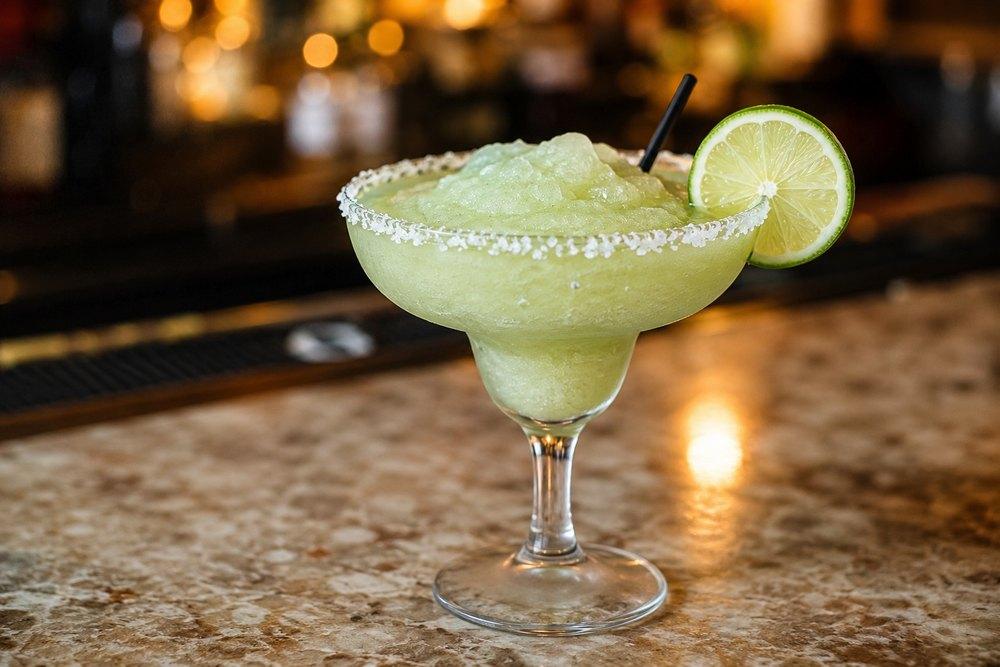
A Frozen Margarita is the icy version of the classic cocktail. Instead of shaking the ingredients with ice, they are blended with crushed ice until the mixture becomes thick and slushy. It is served in a wide glass and enjoyed through a straw or with a spoon. On a hot summer day, it is an excellent choice.
One particular person played a significant role in popularising this variation. In 1971, Dallas restaurateur Mariano Martinez created the first frozen Margarita machine. According to the Smithsonian Institution, his original machine is now part of the collection at the National Museum of American History in Washington, D.C.
The Frozen Margarita recipe is simple: add 50 ml of tequila, 20 ml of orange liqueur, 30 ml of fresh lime juice, 5 ml of agave syrup, and approximately one cup of ice (about 150 g) to a blender. Blend until smooth and thick, then serve immediately. Use slightly more lime juice than in a classic Margarita, as the ice dilutes the flavours during blending. Pour into a glass with a pre-salted rim and garnish with a lime wedge.
Strawberry Margarita and Other Popular Variations
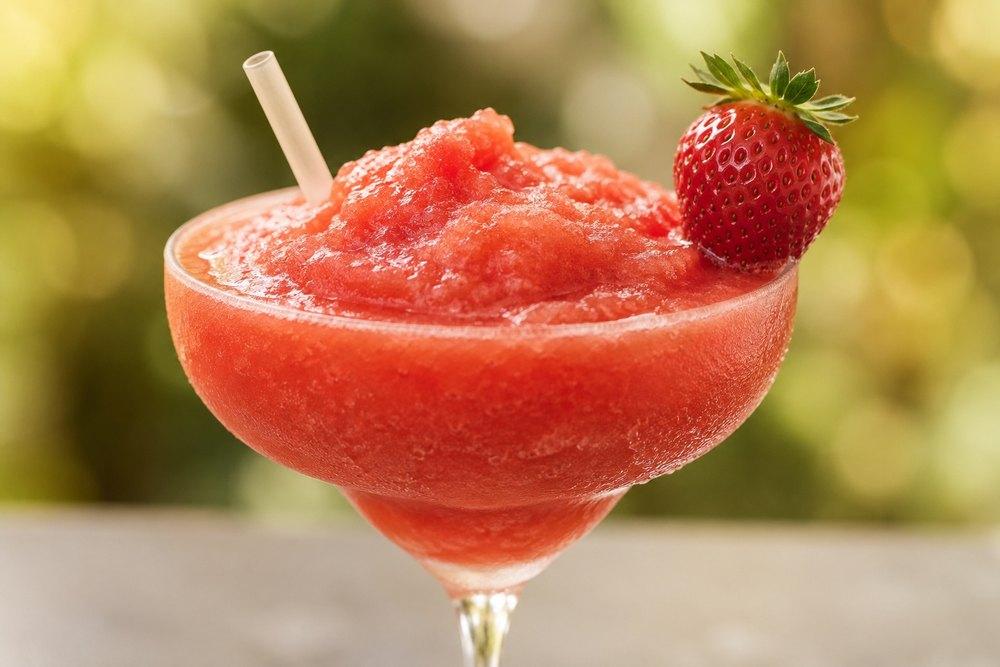
Once you have mastered the classic Margarita, you can start experimenting. This versatile cocktail is the perfect base for numerous variations, from fruity versions to recipes that change the drink's ingredients altogether.
Strawberry Margarita is one of the most popular fruity variations. It is most commonly prepared as a frozen cocktail: simply add a handful of fresh or frozen strawberries to the basic ingredients and blend everything with ice. The result is a sweeter, fruitier drink with a vibrant colour. Mango, raspberries, and peaches work equally well.
Tommy's Margarita replaces orange liqueur with agave syrup. The recipe originated in the 1990s at Tommy's restaurant in San Francisco and can now be found in bars around the world. It has a more pronounced tequila character, allowing the spirit itself to take centre stage.
Cadillac Margarita is a more luxurious variation that replaces the usual orange liqueur with premium Grand Marnier. If you enjoy cocktails with a little heat, add a slice of chilli pepper and create a spicy Margarita.
Discover more mixed cocktail recipes in our collection – the Margarita is just one of many delicious drinks to explore.
How to Serve a Margarita and What to Pair It With
A Margarita is traditionally served in a wide, stepped Margarita glass, but it also looks elegant in a coupe glass or a short rocks glass. Chill the glass beforehand by placing it in the freezer for ten minutes or filling it with ice and a little water while you prepare the ingredients. A chilled glass helps keep your cocktail refreshing for longer.
Do not overdo the salt. Choose coarse sea salt, rub the outside of the rim with a lime wedge, and dip the glass into the salt at a slight angle. This helps prevent salt from falling into the drink or overpowering its flavour. Salting half the rim is usually enough, leaving the other half clean for those who prefer a sip without salt.
A Margarita pairs particularly well with Mexican cuisine. It makes an excellent aperitif or accompaniment to tacos, nachos with guacamole, ceviche, or grilled prawns. Its acidity and subtle saltiness also complement spicy dishes, where overly sweet or heavy cocktails may not work as well.
If you are preparing Margaritas for a group, you can mix the base in advance using the same 50:20:15 ratio. For ten servings, combine 500 ml of tequila, 200 ml of orange liqueur, and 150 ml of lime juice. Keep the mixture refrigerated and shake each portion with ice just before serving to avoid excessive dilution. Squeeze the limes no more than a few hours beforehand, as the juice gradually loses its freshness.
Where Did the Margarita Come From?
The name and origins of the Margarita remain uncertain, with several stories surrounding its creation. According to one of the most widely repeated accounts, bartender Carlos "Danny" Herrera first mixed the cocktail around 1938 at Rancho La Gloria near Tijuana, Mexico. Another story credits Margarita Sames, who supposedly created the drink for friends in Acapulco in 1948. The Spanish word "margarita" also means "daisy", referring to an older family of cocktails called Daisy, which combined a spirit, liqueur, and citrus juice. The Margarita may therefore simply be a Mexican adaptation of this earlier cocktail style. To learn more about the spirit itself, read our article Tequila: The Fascinating Spirit of Mexico.
Common Mistakes When Making a Margarita
Even a simple cocktail can go wrong, and with only three main ingredients, every mistake becomes noticeable. Here are the most common errors that can spoil a Margarita and how to avoid them.
The ingredients themselves are often responsible for a disappointing Margarita. Bottled lime juice is a common culprit: it lacks the aroma of fresh lime and can leave the cocktail tasting flat. Always squeeze your lime juice fresh, ideally just before mixing. Overly sweet orange liqueur can also upset the balance, so follow the recommended proportions and add it carefully. After all, it is much easier to add an ingredient than to remove it.
The technique is equally important. Using too little ice or shaking for too short a time leaves the cocktail lukewarm, with an overly sharp, alcoholic taste. Add plenty of ice to the shaker and shake until condensation forms on the outside. Be careful with the salt, too: a thick layer around the rim can overpower the other flavours. A thin coating on half the rim is all you need.
Frequently Asked Questions (FAQ)
What Is the Best Tequila for a Margarita?
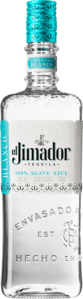
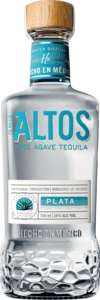
The best choice is blanco (silver) tequila made from 100% agave. Its clean, fresh character allows the lime and orange liqueur to shine. Reposado tequila, which is aged in barrels, adds subtle woody notes and works particularly well in Margaritas served on the rocks. For the best results, avoid inexpensive mixto tequilas.
Tequila for Margaritas



Can I Use Bottled Lime Juice for a Margarita?
A classic Margarita relies on freshly squeezed lime juice, and bottled juice is not a proper substitute. It is often preserved and lacks the vibrant aroma of fresh lime. Lime cordial is a different product – a sweetened lime syrup such as Monin Lime Juice Cordial. It can be used as a sweetener instead of agave syrup to complement fresh lime juice, rather than replace it.
Do I Have to Salt the Rim of a Margarita Glass?
No, but it is traditional and serves a purpose. Salt softens sharp acidity and enhances the cocktail's sweeter notes, much like it does in cooking. If you prefer less salt, coat only half the rim so you can enjoy both salted and unsalted sips from the same glass.
What Can I Use Instead of Orange Liqueur?
Any high-quality triple sec is a close alternative to classic Cointreau. Other orange liqueurs will also work, while premium Grand Marnier creates a sweeter, richer Cadillac Margarita. If you want to leave out orange liqueur entirely, try Tommy's Margarita, which uses agave syrup instead.
What Is the Difference Between a Classic and a Frozen Margarita?
A classic Margarita is shaken with ice and strained, resulting in a liquid cocktail with a slightly cloudy appearance. A Frozen Margarita is blended with crushed ice until thick and slushy, then enjoyed through a wide straw or with a spoon. The main differences are texture and the amount of ice. The frozen version also benefits from a little extra lime juice and a touch of agave syrup to maintain its flavour after blending.
Can I Make a Margarita Without a Cocktail Shaker?
Yes. Shake the ingredients with ice in a tightly sealed jar, or stir them thoroughly in a carafe before straining. The cocktail may not become quite as cold as one made in a shaker, but the flavour will be very similar. You can also prepare a Frozen Margarita using an ordinary blender.
Conclusion
A great Margarita comes down to quality tequila and fresh lime. Once you master the balance between these ingredients and orange liqueur, you have the foundation for countless variations, from frozen to strawberry Margaritas. Whether you choose a salted rim is entirely up to you, but the secret to excellent flavour lies in getting the proportions right.
Want to mix your own Margarita at home? You will find high-quality 100% agave tequila and orange liqueurs in our selection. One final tip: drink responsibly and enjoy your Margarita as part of a pleasant evening, not for the sake of quick intoxication.