






Hugo Spritz: A recipe for a summery Prosecco drink

Hugo Spritz is a fresher, more floral cousin of Aperol Spritz and can be a more pleasant choice on hot summer days. All you need is chilled prosecco, elderflower syrup, a splash of soda, fresh mint and a slice of lime. No shaker, no complicated techniques, just a few ingredients that complement each other beautifully.
The recipe is right below the introduction: for one glass, use 120 ml of chilled prosecco, 20 ml of elderflower syrup and 40 ml of soda. We will go through the method step by step, the ingredient ratio, variations including a non-alcoholic version, and how Hugo differs from Aperol Spritz.
What is Hugo Spritz?
Hugo Spritz is a light sparkling cocktail made with prosecco, elderflower syrup and soda, garnished with mint and a slice of lime. It belongs to the spritz family, mixed drinks based on sparkling wine diluted with soda, and stands out for its floral, gently sweet elderflower flavour, which means the drink is not bitter. In addition to Hugo Spritz, you may also come across the names Hugo drink, Hugo cocktail or simply Hugo beverage – they all refer to the same recipe.
Ingredients for Hugo Spritz
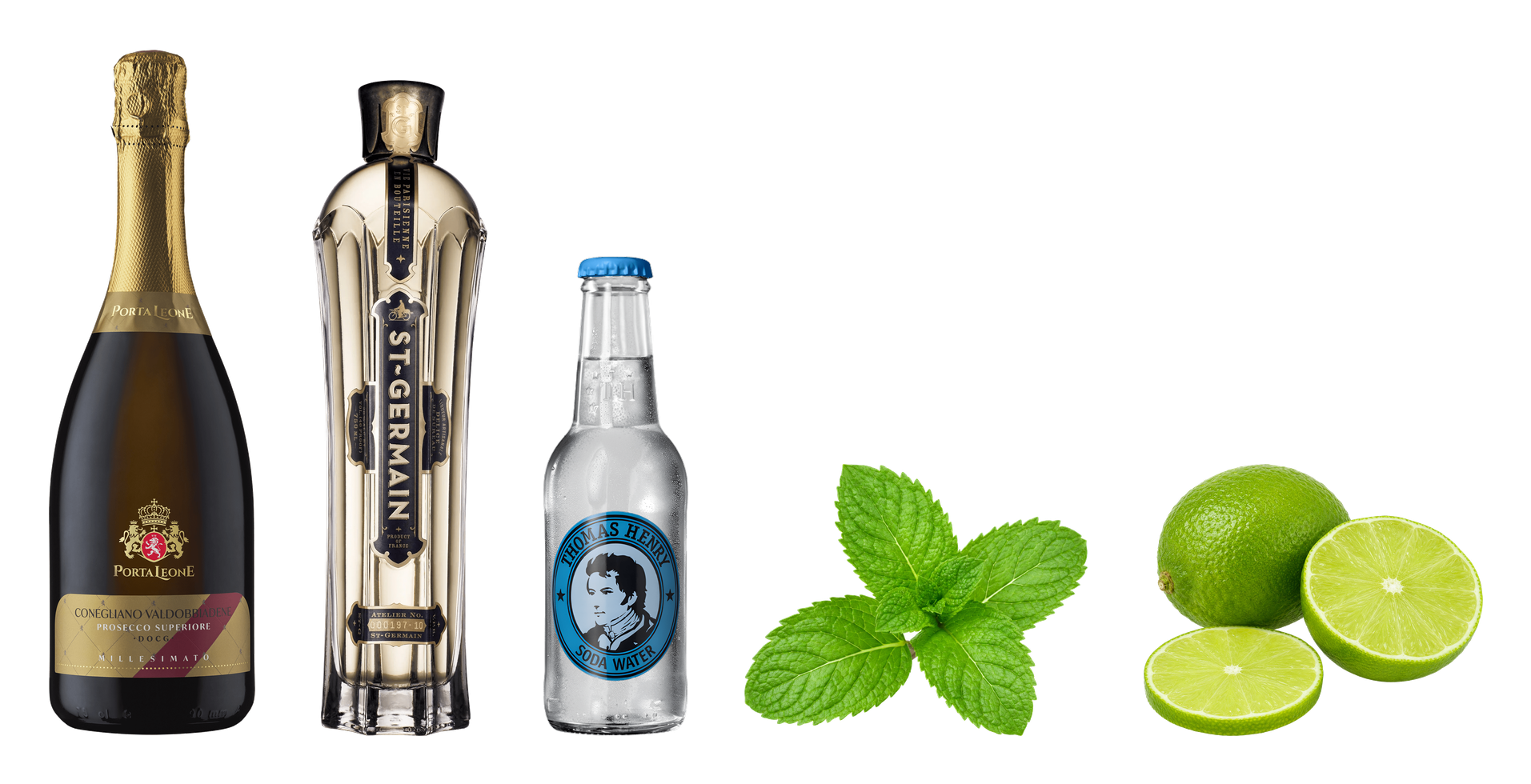
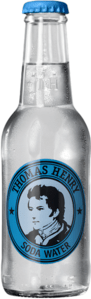
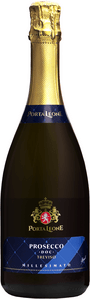
Tip: You can buy both prosecco and soda for Hugo directly from us – Porta Leone Prosecco Superiore DOCG and Thomas Henry soda. For a stronger version, choose St-Germain elderflower liqueur, which replaces the syrup in the recipe. Add fresh mint and lime at home.
For one serving, prepare the following ingredients. We use one ratio that keeps the drink fresh and prevents it from becoming overly sweet.
-
120 ml chilled prosecco – dry (Brut) or Extra Dry prosecco keeps the drink fresh. A reliable choice is Porta Leone Prosecco Superiore DOCG Extra Dry with 11% alcohol.
-
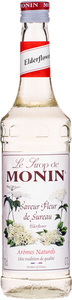
20 ml elderflower syrup – the classic choice is elderflower syrup, either homemade or store-bought. In German-speaking countries, you may hear the name Holundersirup, but it is the same thing. Elderflower liqueur does not belong in the basic version, as it has a different sweetness and strength; we cover it below in the variations.
-
40 ml soda – well-chilled sparkling soda water, for example Thomas Henry Soda Water.
-
6 to 8 fresh mint leaves – they add aroma and give Hugo its typical character; keep a few leaves for garnish.
-
Lime, 1 slice – optionally with a little freshly squeezed juice.
-
Ice – a full glass of ice cubes.
-
Glass – a large white wine glass or balloon glass.
How to make Hugo Spritz step by step
The method is simple and you can make it without any bartending equipment. The entire recipe takes just two to three minutes and you need nothing more than a spoon and a glass.
-
Fill the glass with ice: Fill a large wine glass almost to the top with ice cubes. A cold glass keeps the drink fresh for longer and helps prevent excessive dilution.
-
Add the mint: Briefly clap six to eight mint leaves between your palms and add them to the glass. This releases their aromatic oils, allowing the mint to fragrance the whole drink. Do not crush the leaves, otherwise they may become bitter.
-
Add the elderflower syrup: Pour in 20 ml of elderflower syrup. Do not stir yet.
-
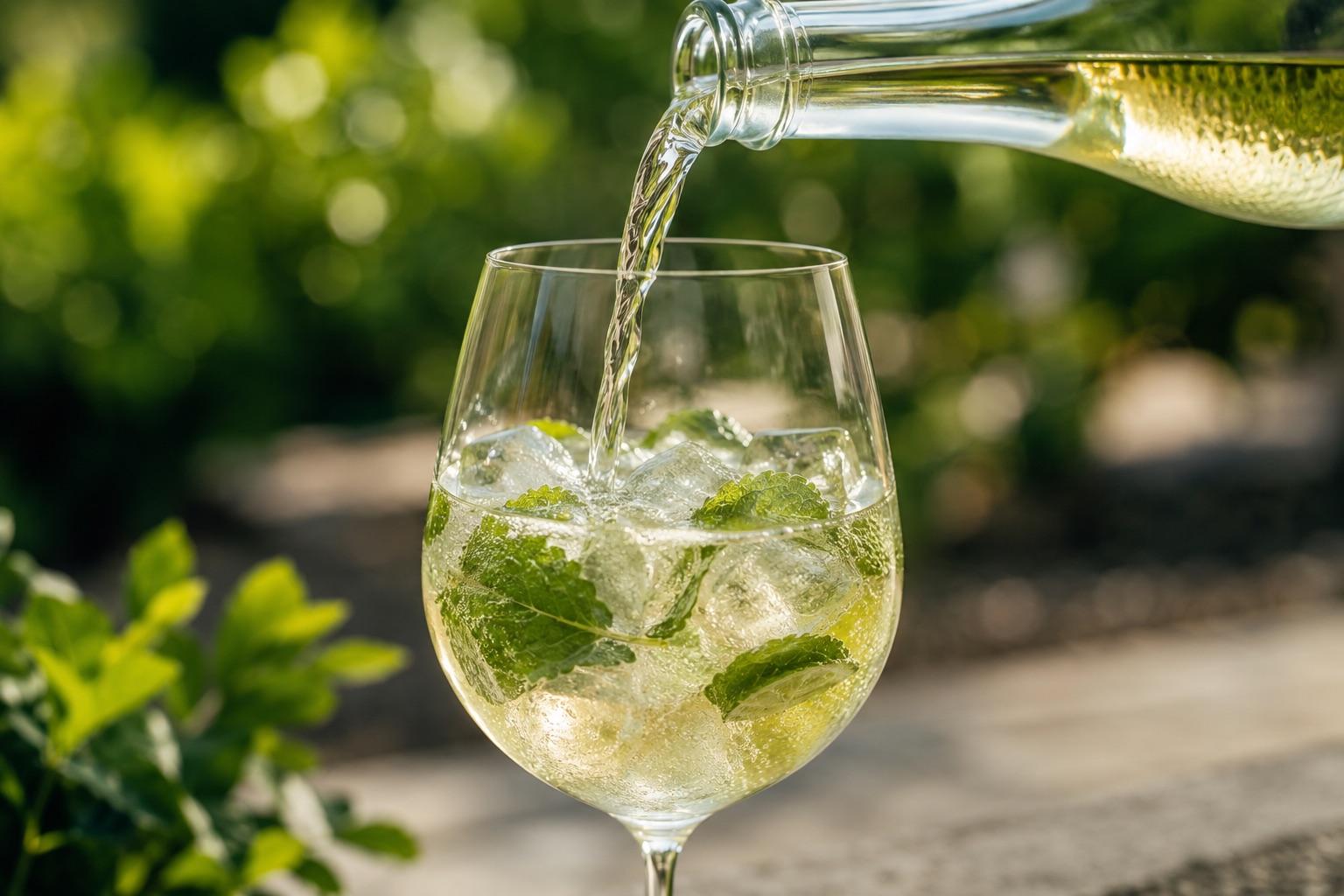
Top up with prosecco and soda: Slowly pour in 120 ml of chilled prosecco and finish with 40 ml of soda. Pouring down the side of the glass helps retain as many bubbles as possible.
-
Stir gently and garnish: Stir carefully from the bottom upwards a few times with a spoon. Finish with a slice of lime and a sprig of mint. Serve immediately while the drink is still nicely sparkling.
The right ratio and tips for the perfect Hugo
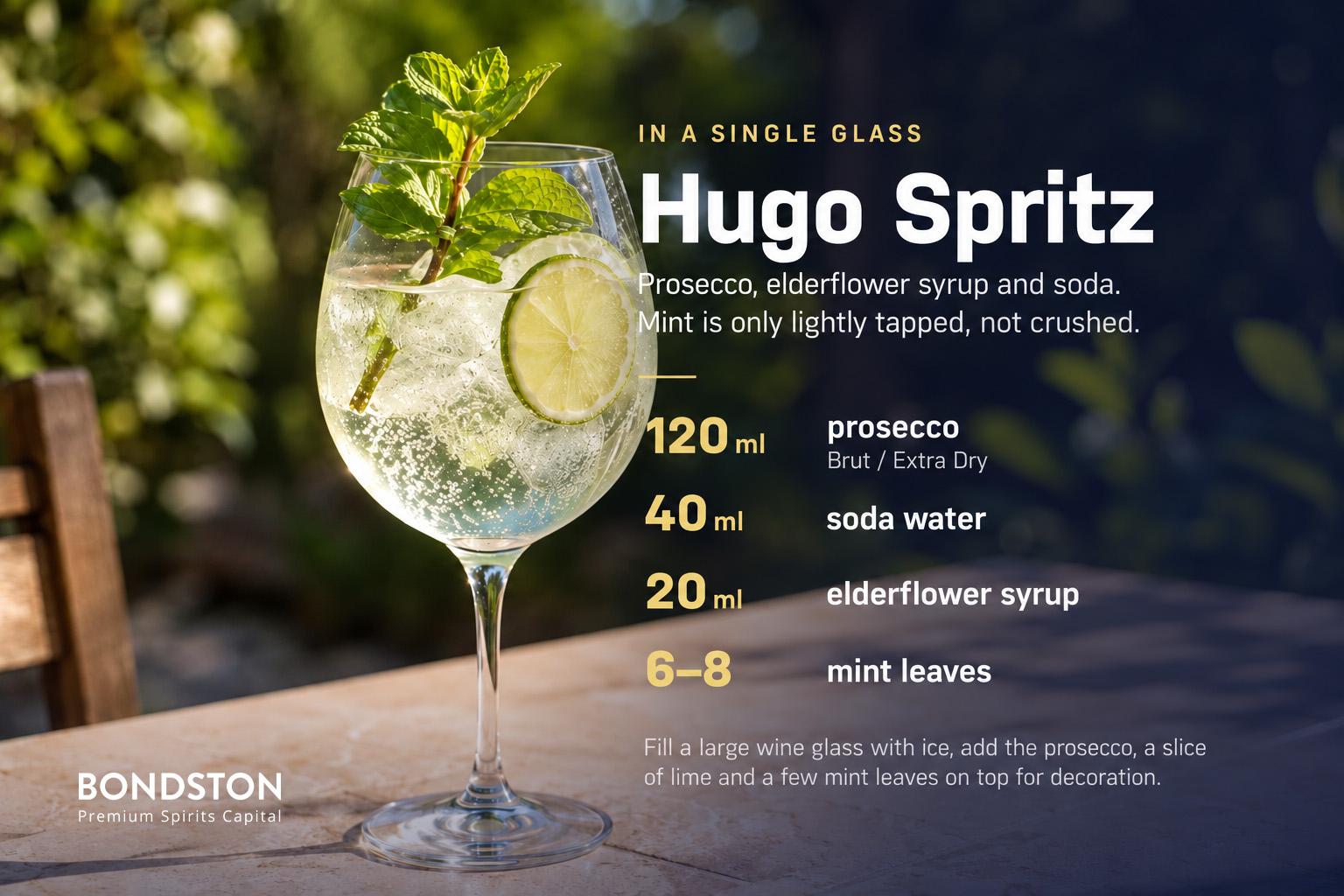
Stick to a ratio of 120 ml prosecco, 20 ml elderflower syrup and 40 ml soda. Prosecco forms the base, the syrup simply adds flavour and the soda lightens the drink. You can taste the elderflower in the glass, but you are still drinking sparkling wine, not lemonade.
Spritz recipes are often associated with a 3:2:1 ratio: three parts sparkling wine, two parts aperitif and one part soda. The official Spritz recipe of the International Bartenders Association (IBA) is also based on this ratio, but it uses a bitter aperitif such as Aperol and cannot be applied to elderflower syrup. With 120 ml prosecco, it would mean 80 ml syrup, turning Hugo into an overly sweet syrup with bubbles. Treat 3:2:1 as a guideline for bitter aperitifs, not as a rule for Hugo.
You should be equally careful when replacing syrup with elderflower liqueur. Syrup is a concentrated, alcohol-free sugar mixture, whereas liqueur is less sweet and, under European spirits regulations, must contain at least 15% alcohol, so a one-to-one substitution does not work. Use around 30 ml of liqueur and reduce the amount of soda; you will find the full method in the variations section.
A few small details make a big difference to the result. Always chill the prosecco, soda and the glass properly, because a warm Hugo loses half its charm. Do not skimp on ice: a glass full of cubes melts more slowly than just a few pieces, so the drink becomes less diluted. And serve the drink immediately – neither the bubbles nor the mint aroma will wait.
Hugo drink variations
Stronger version with elderflower liqueur. Add 6 to 8 mint leaves to a glass with ice, followed by 30 ml elderflower liqueur, 120 ml chilled prosecco and 20 ml soda, then finish with a slice of lime. You can use St-Germain, which contains 20% alcohol according to the producer, or the gentler Bols Elderflower at 17%. The flavour is fuller and more distinctly floral, while the drink is also noticeably stronger.
Non-alcoholic Hugo. Replace prosecco with 120 ml of non-alcoholic sparkling wine and keep the rest the same: 20 ml elderflower syrup, 40 ml soda, mint, a slice of lime and a full glass of ice. Non-alcoholic sparkling wine gives the drink body and gentle bubbles, whereas soda with syrup alone would turn Hugo into little more than sweet water.
Hugo does not have to be made exclusively with prosecco either. Feel free to use sparkling wine or another dry sparkling wine, but expect a slightly different flavour. If you prefer it fruitier, add a few strawberries, blueberries or a slice of cucumber for a garden-style version.
Hugo Spritz vs. Aperol Spritz: What is the difference?
Both drinks are based on prosecco and soda. The main difference is the ingredient that determines their flavour and colour. Aperol Spritz uses Aperol, a bittersweet orange aperitif with herbs and citrus that gives the drink pronounced bitterness and a vivid orange colour. Hugo uses elderflower syrup instead, making it lighter, floral and gently sweet without the typical bitterness. We explore the history of the orange aperitif in our article Aperol: the story of the orange phenomenon.
You can also taste the difference. Hugo tends to be slightly lighter and fresher, with mint and citrus notes, while Aperol Spritz is more bitter and full-bodied. If you want something refreshing and not bitter, choose Hugo. If you enjoy bitter aperitifs, Aperol is the better fit.
How much alcohol a Hugo Spritz contains depends mainly on the amount of prosecco used. A traditional Hugo contains approximately 6 to 8% alcohol. An Aperol Spritz mixed in a 3-2-1 ratio contains 9% alcohol. So there is also a difference in the strength of the drinks.
What to serve with Hugo Spritz
Hugo is an aperitif, so it naturally calls for a good accompaniment. It works best with light food that does not overpower its floral flavour. It pairs beautifully with a board of Italian cheeses and ham, olives, savoury crackers or light bruschetta.
At a summer barbecue, serve it with fish, chicken or vegetable skewers rather than heavily spiced dishes. It also works perfectly well on its own as a pre-dinner aperitif. It is less suitable with dessert, as the elderflower sweetness can clash with sugary foods.
Always serve the drink properly chilled, ideally at around 6 to 8 °C. Temperature determines whether Hugo tastes fresh or simply mildly sweet and flat.
Origin: How Hugo was created in South Tyrol
Hugo is a relatively young drink. It was created in 2005 in South Tyrol (Alto Adige in Italian) in northern Italy, where bartender Roland Gruber developed it as a fresher variation of the classic Venetian spritz. The original recipe used lemon balm syrup, but in practice this was quickly replaced by the more readily available elderflower syrup. From German-speaking countries, Hugo spread across Europe and today ranks among popular summer aperitifs.
The most common mistakes when making Hugo
Even a simple drink can go wrong, and the same small mistakes tend to be responsible. The most common mistake is making Hugo too sweet. Elderflower syrup is already very sweet, so adding too much makes the drink lose its freshness. Stick to 20 ml of syrup and adjust the sweetness to taste only at the end.
Ice should not be underestimated either. A few cubes melt quickly, leaving Hugo lukewarm and watery, so feel free to fill the glass right to the top. Be careful with the mint too: it should only be lightly clapped between your palms to release the aroma. Crushing it releases bitter compounds and gives the drink an unpleasant grassy taste. Add the prosecco and soda only at the very end and pour them slowly, otherwise you will unnecessarily lose the bubbles.
Frequently asked questions (FAQ)
How do you make Hugo Spritz at home?
Fill a large glass with ice, add 6 to 8 mint leaves briefly clapped between your palms and 20 ml elderflower syrup. Top up with 120 ml chilled prosecco, add 40 ml soda and stir gently from the bottom upwards. Finish with a slice of lime and serve immediately while the drink is still sparkling.
What is the correct ratio for Hugo?
A reliable ratio is 120 ml prosecco, 20 ml elderflower syrup and 40 ml soda per glass. Syrup is a very sweet concentrate, so the drink only needs a small amount, while prosecco forms the base. If you replace the syrup with elderflower liqueur, use around 30 ml and reduce the soda to 20 ml.
What can replace elderflower syrup?
Elderflower liqueur is the closest alternative to the original, for example St-Germain or Bols Elderflower. Use around 30 ml and reduce the soda; the drink will then be more intense and stronger. Historically, Hugo was also mixed with lemon balm syrup. In a pinch, another floral syrup can be used, although the flavour will no longer be typical of Hugo.
How much alcohol does Hugo Spritz contain?
The basic version with elderflower syrup contains approximately 6 to 7% alcohol, similar to a lighter wine. With elderflower liqueur instead of syrup, it reaches around 10%, because the liqueur itself contains alcohol. In the non-alcoholic version with alcohol-free sparkling wine, the alcohol is omitted entirely.
When is Hugo Spritz served?
It is mainly served as a summer aperitif. It tastes best properly chilled on hot days before a meal or with light snacks. Thanks to its lower alcohol content, it also works well for a longer afternoon gathering in the garden or on the terrace.
Conclusion
Freshness is what matters most in a Hugo Spritz: the colder the prosecco and the fresher the mint, the better. Remember 120 ml prosecco, 20 ml elderflower syrup and 40 ml soda, plus 6 to 8 mint leaves, a slice of lime and a full glass of ice, and you have a drink that even a complete beginner can make.
The foundation of a good Hugo is quality prosecco and well-chilled soda. Take a look at our range of aperitifs and spritzes, and find inspiration and ingredients for other drinks in the cocktails section. As with all alcohol, it should be enjoyed in moderation.