



Espresso Martini – the coffee cocktail that conquered the bar world
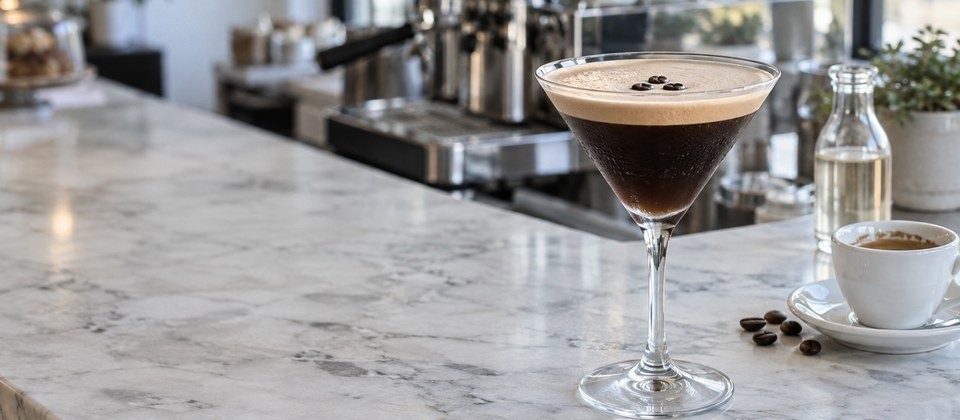
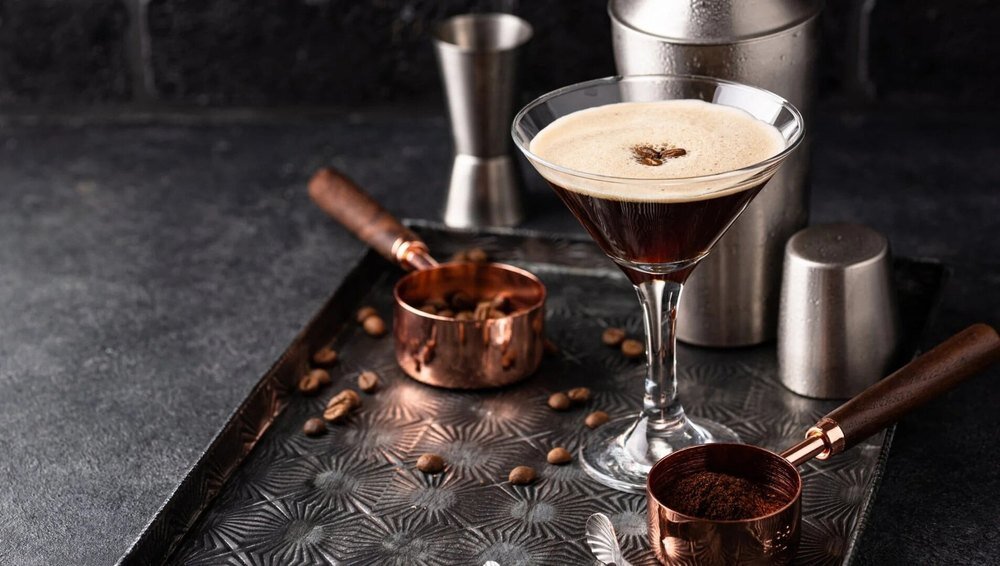
The signature feature of Espresso Martini, sometimes also called coffee martini, is the thick, light foam on top. This is the part that most often goes wrong at home, even though it forms without any extra ingredient: all it takes is vigorous shaking of fresh espresso with ice. The drink contains just four ingredients: vodka, coffee liqueur, espresso and sugar syrup.
The recipe is based on the official International Bartenders Association (IBA) recipe, with one strong espresso counted as 30 ml.
How to make Espresso Martini step by step
Ingredients
- 50 ml vodka
- 30 ml Kahlúa Coffee Liqueur
- 30 ml espresso strong, freshly prepared
- 10 ml syrup simple syrup
- ice
- coffee beans for decoration
Espresso Martini
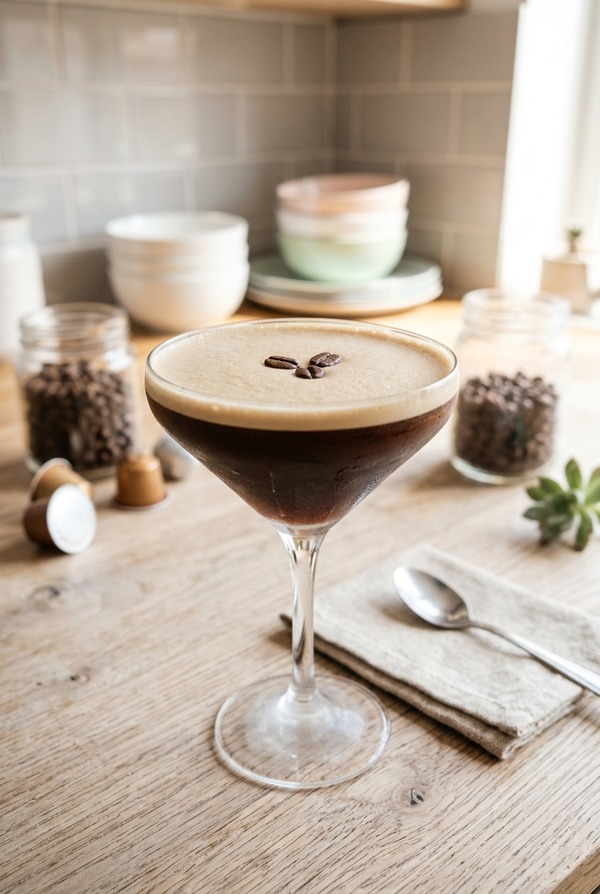
Espresso Martini is a bold coffee cocktail made with vodka, coffee liqueur, fresh espresso, and sugar syrup. It has an intense coffee flavor, a subtle sweetness, and a characteristic thick foam on top.
Preparation Steps
- Step 1: Chill the glass: Place the cocktail glass in the freezer for a few minutes. If you're in a hurry, fill it with ice and a little water, then pour it out just before serving.
- Step 2: Prepare espresso: Prepare 30 ml of strong espresso and let it sit for a minute or two. Hot espresso would melt more ice in the shaker and unnecessarily dilute the drink.
- Step 3: Pour the ingredients into the shaker: Fill the shaker with ice and add 50 ml of vodka, 30 ml of coffee liqueur, 30 ml of espresso, and 10 ml of sugar syrup.
- Step 4: Shake well: Tightly close the shaker and shake vigorously for about 15 seconds. Foam is being created right now; a short and weak shake will not produce it.
- Step 5: Strain and garnish: Strain the drink through a strainer into a chilled glass, let the foam settle for a few seconds, and place three coffee beans in the center.
Ingredient ratio and tips for thick foam
The basic ratio is 50 ml vodka, 30 ml coffee liqueur and 30 ml espresso, or 5 : 3 : 3. The sugar syrup (10 ml) simply balances the flavour. If you drink coffee without sugar, you can reduce it next time, as the sweetness of Kahlúa is often enough.
The foam is mainly created by the crema from fresh espresso (the thin golden layer containing coffee oils), which vigorous shaking with ice whips into a thick layer. That is why espresso from an espresso machine or capsule coffee machine works better than filter or instant coffee.
The three coffee beans on the surface are reminiscent of Italian sambuca served “con la mosca” (literally “with the fly”), where according to tradition they represent health, happiness and wealth. They stay on top of thick foam but quickly sink into thin foam.
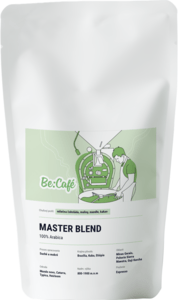
Coffee beans for espresso



Espresso Martini for several guests
Mix the vodka, coffee liqueur and syrup in a bottle in advance and keep it in the refrigerator. For each drink, measure 90 ml of the mixture and 30 ml of fresh espresso and shake each serving separately. If you prepare the drink all at once in a pitcher, the foam will not form.
Espresso Martini variations
The variations mainly change the vodka or liqueur, while the shaking method remains the same. Leave out the sugar syrup when using Baileys; with vanilla vodka, it is up to you.
With vanilla vodka
Instead of plain vodka, use 50 ml of vanilla vodka, for example Absolut Vanilia. Vanilla softens the bitterness of the coffee and makes the drink feel more like a dessert, so you can easily leave out the sugar syrup.
With Baileys
For a creamier version, replace 20 ml of vodka with 20 ml of Baileys. Keep the rest of the recipe the same, but leave out the syrup, as the cream liqueur adds enough sweetness on its own.
With a different coffee liqueur
Among our coffee liqueurs, you will also find less sweet options. For example, Mr. Black is a bittersweet liqueur with a lower sugar content and 21% ABV, making the drink drier and more coffee-forward.
Alcohol-free version
Leave out the vodka and use 30 ml of the alcohol-free coffee alternative Undone No. 6 Not Coffee Liqueur instead of coffee liqueur. Use 60 ml of espresso, add 10 ml of sugar syrup and shake in the same way as the original.
How Espresso Martini was created
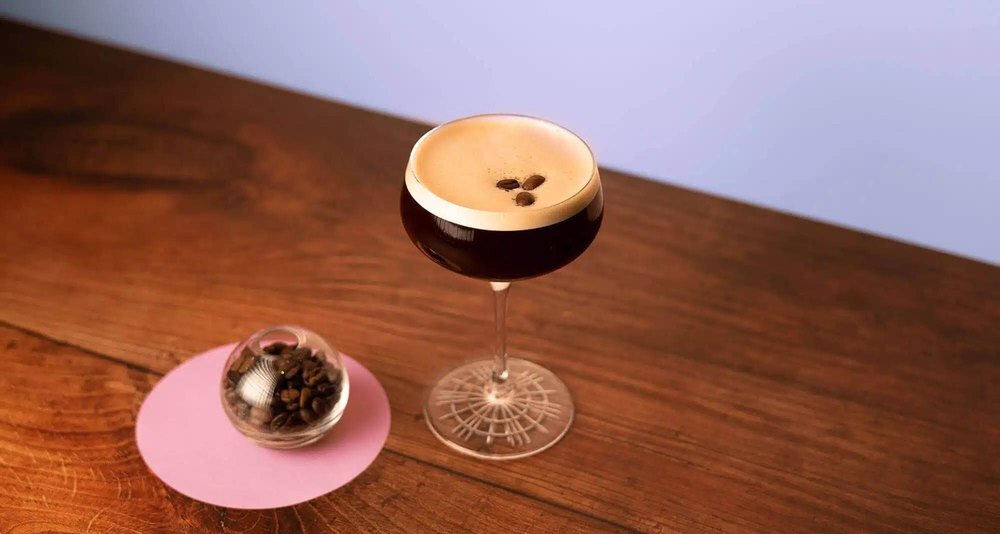
The drink was created by London bartender Dick Bradsell in Soho in the 1980s, although the exact year and bar cannot be reliably confirmed. According to the story, a model asked him for a drink that would wake her up, so he mixed vodka with fresh espresso. He originally served it over ice under the name Vodka Espresso. The name Espresso Martini only became established in the late 1990s, and in 1998 Bradsell renamed it Pharmaceutical Stimulant at the London bar Pharmacy.
The most common mistakes when making Espresso Martini
When Espresso Martini does not turn out well at home, the problem is usually the foam or excessive dilution. Both can be easily fixed:
- Hot espresso. It melts more ice in the shaker and makes the drink taste watery.
- Weak shaking. Without enough force and ice, the crema does not whip up properly and the foam remains thin.
- Instant coffee or coffee brewed too long ago. It lacks crema and intensity, so the drink tastes flat.
- Extra syrup with a sweet liqueur. In the Baileys version, sugar syrup makes the drink overly sweet.
Frequently asked questions (FAQ)
How much alcohol is in Espresso Martini?
According to the recipe above, approximately 17%. Vodka (50 ml, 40%) and Kahlúa liqueur (30 ml, 16%) contain around 25 ml of pure alcohol in 120 ml of liquid, which is approximately 21% before shaking. The drink is diluted by roughly one fifth when shaken with ice, so it ends up at around 17% in the glass.
Why is it called Martini if it contains no vermouth?
Because of the glass and the fashion of the 1990s. In London bars, the drink began to be served in a stemmed cocktail glass known as a martini glass, and at a time when many new drinks were given the martini label, the name Espresso Martini also became established. It has nothing to do with vermouth or the Martini brand. You can find the classic Dry Martini with vermouth in our article about martini drinks.
Can espresso be replaced with capsule coffee or cold brew?
Yes, capsule coffee can be used, as espresso from a capsule machine has crema and can create foam. Cold brew gives the drink a smoother and less bitter flavour, but the foam is usually weaker because it lacks crema.
How do you make Espresso Martini without a shaker?
A preserving jar with a tight-fitting lid will work. Pour the ingredients into it with ice, close it firmly, shake for the same amount of time as you would with a shaker and strain the drink through a tea strainer. The foam will be slightly thinner, but the flavour will remain the same.
Will Espresso Martini wake me up?
It does contain caffeine from one espresso, but that does not cancel out the effects of alcohol. The US Centers for Disease Control and Prevention (CDC) warns that caffeine can make a person feel as though alcohol is affecting them less. It does not reduce the amount of alcohol in the blood, so drink Espresso Martini responsibly and do not drive afterwards.
Conclusion
Espresso Martini turns out well at home when you get two things right: fresh espresso and vigorous shaking with ice. The recipe is easy to remember: 50 ml vodka, 30 ml coffee liqueur, 30 ml espresso and 10 ml sugar syrup, topped with three coffee beans.
Espresso Martini works well after dinner instead of dessert, but enjoy it responsibly. For the espresso, use fresh coffee beans and grind them just before preparation.