






Cognac: how to drink it, what VS, VSOP, and XO mean + 2 drink recipes

Cognac is one of the best-known wine spirits in the world. Many people enjoy it neat, but younger Cognacs also work exceptionally well in classic mixed drinks. Discover the difference between brandy and Cognac, what the VS, VSOP and XO classifications mean, how to taste Cognac properly and how to prepare the Sidecar and Brandy Alexander cocktails.
What is the difference between brandy and Cognac?
The term brandy comes from the Dutch word brandewijn, which can be translated as “burnt wine”. Brandy is a general term for a spirit distilled from wine or fermented fruit. Cognac is a specific type of brandy that must comply with precisely defined rules regarding its origin and production.
Simply put: all Cognac is brandy, but not all brandy is Cognac. The designation Cognac may only be used for a wine spirit produced in the designated Cognac region of western France.
The Cognac region is divided into six wine-growing areas known as crus:
- Grande Champagne
- Petite Champagne
- Borderies
- Fins Bois
- Bons Bois
- Bois Ordinaires
These areas differ in their soil, climate and the character of the resulting wine spirits. Grande Champagne is known for delicate, floral eaux-de-vie with excellent long-term ageing potential, while Fins Bois produces fruitier spirits that mature more quickly. However, the crus should not be viewed as a simple ranking from the highest to the lowest quality.
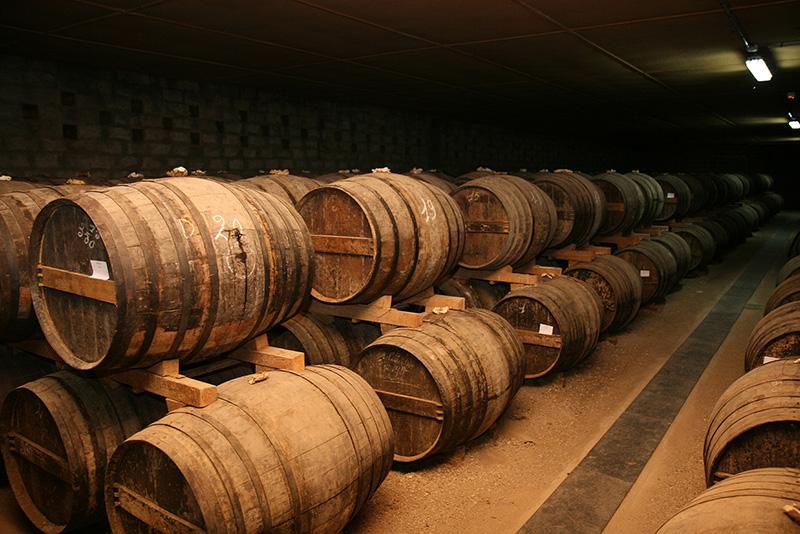
Cognac is made predominantly from white Ugni Blanc grapes, although several other grape varieties are also permitted. The wine undergoes traditional double distillation in copper pot stills and must then be aged for at least two years in oak vessels. Only after all the required conditions have been met may the resulting spirit bear the protected Cognac designation.
What do VS, VSOP, XO and XXO mean?
The classifications on the bottle indicate the minimum age of the youngest wine spirit used in the final blend. In practice, a Cognac may also contain significantly older eaux-de-vie.
- VS – Very Special: the youngest component has been aged for at least 2 years.
- VSOP – Very Superior Old Pale: the youngest component has been aged for at least 4 years.
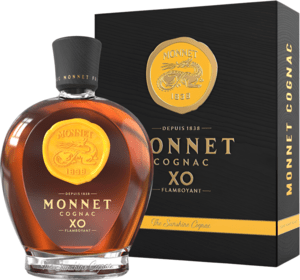
- XO – Extra Old: the youngest component has been aged for at least 10 years.
- XXO – Extra Extra Old: the youngest component has been aged for at least 14 years.
Younger VS Cognacs often have a fresh, fruity and vibrant character, making them ideal for cocktails and long drinks. VSOP Cognacs tend to be more complex and refined and can be enjoyed neat or in high-quality mixed drinks.
Longer-aged XO Cognacs offer a deeper, more layered flavour profile with notes of wood, spice, dried fruit, nuts or leather. They are most commonly enjoyed neat and sipped slowly.
How should you drink Cognac?
Cognac can be enjoyed neat, over ice, with a few drops of water or as part of a mixed drink. There is no single correct way to serve it – what matters is that its aromas and flavours can develop and that the chosen method suits your preferences.
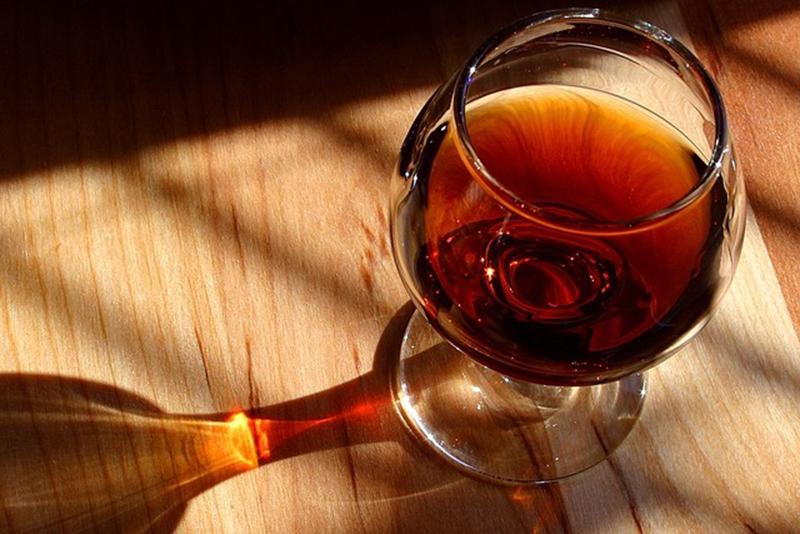
A small tulip-shaped glass is ideal for tasting Cognac neat. Its narrow rim helps concentrate the aromas towards the nose. Before drinking, you can gently warm the Cognac in your hands or above a glass of warm water. Avoid excessive heating, particularly over a flame, as a high temperature can emphasise the alcohol at the expense of more delicate aromas.
How to taste Cognac step by step
- Pour a small amount of Cognac into a clean glass.
- Begin by observing its colour and consistency.
- Smell it without swirling the glass vigorously.
- Gently swirl the glass and examine the aroma again.
- Take a small sip and allow the Cognac to develop slowly on your palate.
- Pay attention to its flavour, texture and the length of the finish.
For your first introduction to Cognac, you can choose a younger VS expression. It does not have a lower alcohol content than the older categories, but its flavour is usually fruitier and more straightforward. A suitable choice for sipping neat or mixing into cocktails is, for example, Meukow VS Black.
Which Cognac should you choose for mixed drinks?
Cognac has played an important role in the history of mixed drinks and has appeared in recipes since the early days of modern cocktail culture. Younger VS and VSOP categories are most commonly used in cocktails.
VS Cognac is well suited to fresh citrus and fruit combinations. Its vibrant character works particularly well in drinks containing lemon juice, orange liqueur, tonic water, ginger ale or ginger beer.
VSOP Cognac is smoother and more complex. It is ideal for cocktails in which the flavour of the Cognac should be more pronounced, such as the Sidecar, Brandy Alexander or Sazerac. However, there is no need to use the most expensive XO Cognacs in mixed drinks, as the other ingredients may overpower their delicate aromas.
Sidecar – a classic Cognac cocktail
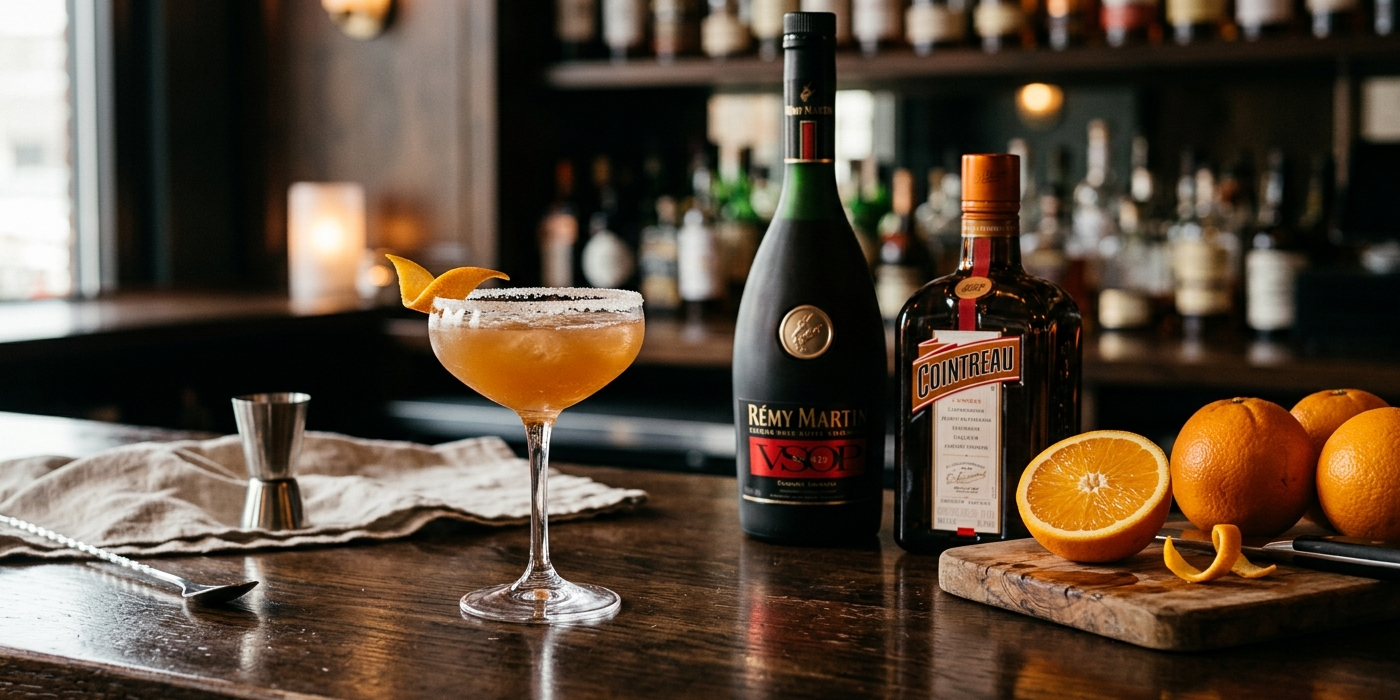
The Sidecar is one of the best-known Cognac-based cocktails. It combines the full flavour of the wine spirit with fresh lemon juice and the bittersweet character of orange liqueur.
What you need for a Sidecar:
- 50 ml Cognac
- 20 ml orange liqueur, such as Bols Triple Sec
- 20 ml fresh lemon juice
- ice
- orange or lemon peel for garnish
How to prepare a Sidecar:
Pour the Cognac, orange liqueur and fresh lemon juice into a shaker filled with ice. Shake the ingredients thoroughly and strain the drink into a chilled cocktail glass without ice. Garnish with orange or lemon peel.
Brandy Alexander – a creamy Cognac cocktail
The Brandy Alexander is a smooth dessert cocktail that combines Cognac, chocolate liqueur and cream. The result is a silky, creamy drink with notes of cocoa, spice and oak.
What you need for a Brandy Alexander:
- 30 ml Cognac
- 30 ml brown crème de cacao, such as Bols Crème de Cacao Brown
- 30 ml cream
- ice
- freshly grated nutmeg
How to prepare a Brandy Alexander:
Pour the Cognac, chocolate liqueur and cream into a shaker filled with ice. Shake thoroughly and strain the drink into a chilled cocktail glass. Lightly sprinkle the surface with freshly grated nutmeg.
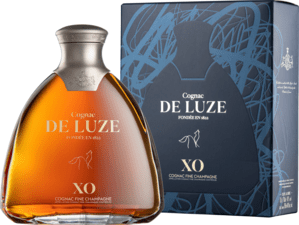
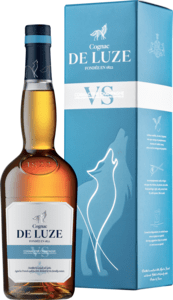
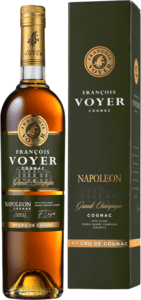
Choose from our wide selection of Cognacs: