







Antibiotics and Alcohol: When and Why You Shouldn't Mix Them
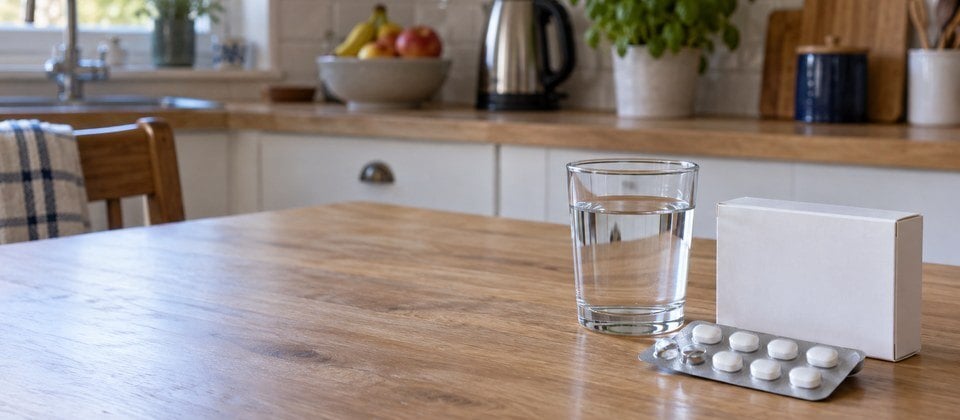
According to common advice, antibiotics and alcohol should not be combined at all. However, the patient information leaflets for individual medicines differ. The leaflet for Augmentin or Zinnat does not mention alcohol, while the leaflet for metronidazole (Entizol) prohibits alcoholic beverages throughout the entire course of treatment and for at least another 48 hours afterwards.
The answer to whether you can have a glass of alcohol while taking antibiotics therefore always depends on the specific medicine and its patient information leaflet. The active ingredient you are taking is what matters, and if you are unsure, the best person to advise you is your doctor, who also knows your diagnosis, or a pharmacist.
Why are we told not to drink alcohol while taking antibiotics?

A blanket ban on alcohol does not apply to all antibiotics. The UK National Health Service (NHS) advises avoiding alcohol while taking medicines and while ill, but also states that moderate drinking is unlikely to cause problems with most common antibiotics. There are essentially three reasons to be cautious:
- Some antibiotics, especially metronidazole, interfere with the breakdown of alcohol and can trigger a disulfiram-like reaction, causing facial flushing, headache, vomiting or a rapid heartbeat.
- With doxycycline (for example Doxybene), alcohol may reduce the effectiveness of the medicine. The summary of product characteristics, a more detailed version of the leaflet intended for healthcare professionals, states that alcohol may speed up the breakdown of doxycycline and that long-term excessive drinking may reduce its effectiveness.
- Common side effects of antibiotics include nausea, diarrhoea, headache and dizziness. Alcohol can make these symptoms worse, precisely when your body is already fighting an infection.
What happens in the body during a disulfiram-like reaction?
The name comes from the medicine Antabuse, which contains the active ingredient disulfiram and is used to treat alcohol dependence. According to its patient information leaflet, alcohol is converted in the body into acetaldehyde, while disulfiram inhibits the enzyme that would normally break acetaldehyde down further. Acetaldehyde then accumulates in the blood and causes a range of very unpleasant symptoms.
According to its summary of product characteristics, metronidazole inhibits enzymes involved in processing alcohol. Mild reactions of a similar type have been observed in patients who combined it with alcohol, including facial flushing, headache, nausea, vomiting, abdominal cramps and sweating. A review study by Kari Mergenhagen and colleagues, published in 2020 in Antimicrobial Agents and Chemotherapy, points out that it is unclear how often such reactions occur and that their severity varies. However, no one can predict in advance how you personally would react, so the instructions in the leaflet should be followed.
What do the patient information leaflets of individual antibiotics say about alcohol?
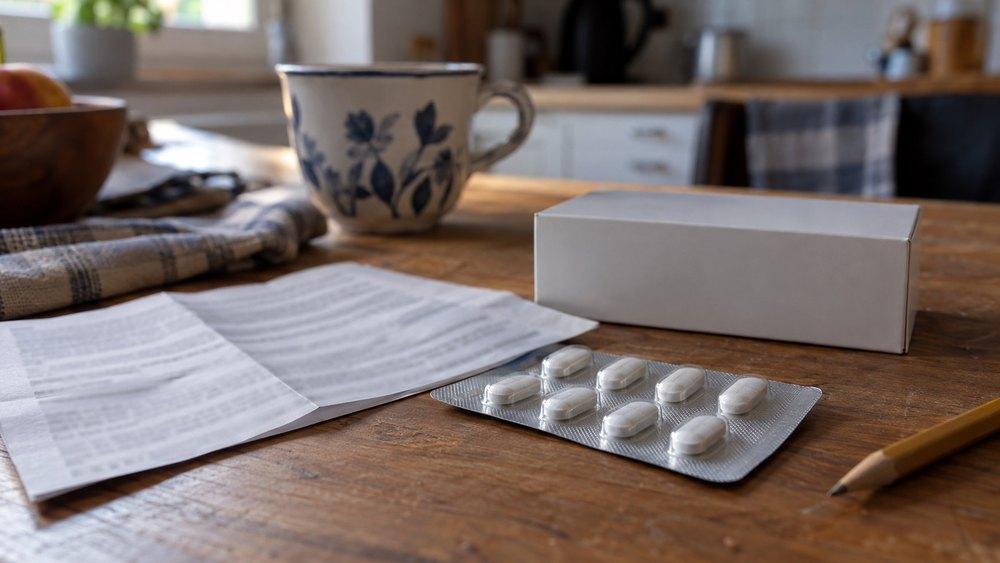
The patient information leaflet, together with your doctor's instructions, is the main guide for taking a medicine. The absence of any mention of alcohol does not mean “drink without concern”; it only means that no dangerous interaction has been described for that particular substance. The overview below is based on current patient information leaflets in the medicines database as of October 2026.
Augmentin and alcohol
The Augmentin patient information leaflet does not mention alcohol and contains no specific prohibition or restriction. Augmentin contains amoxicillin, a penicillin antibiotic, and clavulanic acid, which helps prevent certain bacteria from making amoxicillin ineffective. It is used, for example, for respiratory tract infections, middle ear infections, urinary tract infections and dental infections.
Its side effects are more important to consider. The leaflet lists diarrhoea in adults as very common and nausea as common, especially at higher doses, and recommends taking the tablets with food. Alcohol may make nausea worse. Amoksiklav contains the same combination of active ingredients, and its leaflet likewise does not mention alcohol.
Zinnat and alcohol
The Zinnat patient information leaflet also does not mention alcohol. Zinnat contains cefuroxime, an antibiotic from the cephalosporin group. The review study mentioned above notes that cephalosporins with a certain type of chemical structure, specifically a particular side chain, may trigger a disulfiram-like reaction, but cefuroxime does not have this structure.
With Zinnat, it is more important to pay attention to how you feel. The leaflet lists headache, dizziness, diarrhoea and nausea among the common side effects and warns that the medicine may reduce alertness. Alcohol can make these symptoms worse, and if you do not feel well, the leaflet advises against driving or operating machinery. The tablets are taken after food.
Penicillin and alcohol
For penicillin tablets, specifically phenoxymethylpenicillin, the leaflets differ. Penbene and Ospen do not mention alcohol, while the leaflet for V-Penicilin BBP states that drinking alcoholic beverages during treatment is not recommended. The review study mentioned above concluded that oral penicillin antibiotics can, according to the available data, be safely combined with alcohol. “Safely” here means that no proven drug interaction has been demonstrated, but the leaflet for your specific medicine should always take priority. Even where alcohol is not mentioned, moderation and consideration of how you feel while ill still apply.
Metronidazole: a strict ban applies
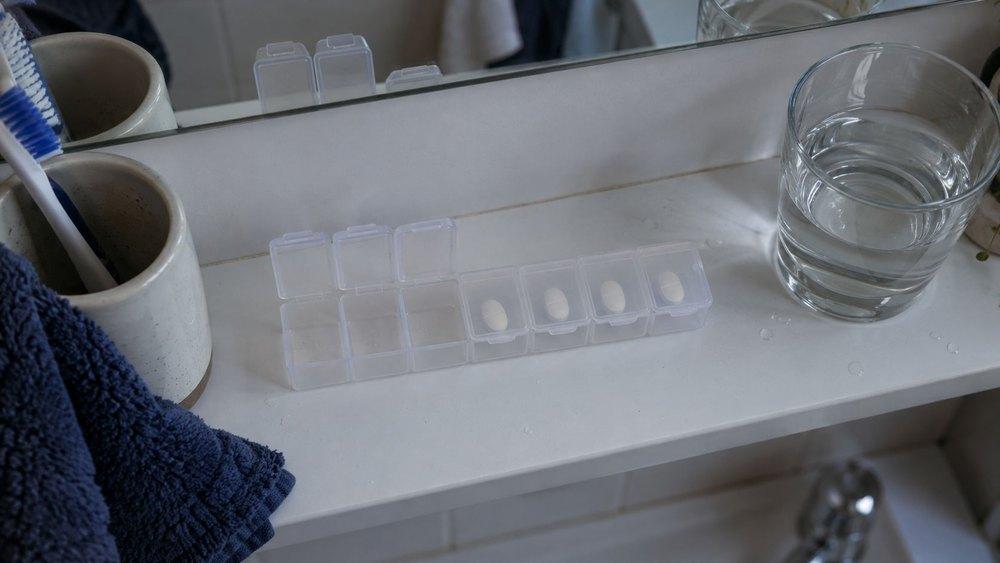
Metronidazole (for example Entizol) is prescribed for conditions such as bacterial vaginosis, certain infections caused by protozoa or as part of treatment for the stomach bacterium Helicobacter pylori. According to the Entizol leaflet, alcoholic beverages must not be consumed during treatment and for at least 48 hours after treatment has ended, otherwise abdominal cramps, nausea, vomiting, headaches and facial flushing may occur. In one section, the leaflet mentions a shorter period of one day, so it is safer to follow the longer 48-hour period.
Doxybene, Sumamed, Klacid and other antibiotics
The leaflets for other antibiotics vary in a similar way. Some explicitly prohibit alcohol, while others do not mention it at all. The table below summarises what current patient information leaflets say:
| Medicine (active ingredient) | What the leaflet says about alcohol |
|---|---|
| Doxybene (doxycycline) | alcoholic beverages must not be consumed during treatment |
| Sumamed (azithromycin) | alcohol is not mentioned |
| Klacid (clarithromycin) | alcohol is not mentioned |
| Furolin (nitrofurantoin) | alcohol is not mentioned; the medicine is taken with food, milk or yoghurt |
| Biseptol (sulfamethoxazole and trimethoprim) | no ban on alcohol is stated |
| Linezolid Krka (linezolid) | warns against alcohol, especially draught beer and wine |
For Biseptol, the review study considers the available data inconclusive, so consult a pharmacist before drinking alcohol. Linezolid is a special case, which we discuss in the section about beer below.
When can you drink alcohol after antibiotics?

Of the antibiotics mentioned above, only the Entizol leaflet specifies a fixed waiting period after treatment. In other cases, follow the instructions in the leaflet for your particular medicine:
- For metronidazole (Entizol), wait at least 48 hours after the last tablet.
- For doxycycline (Doxybene), the leaflet prohibits alcohol throughout treatment.
- For linezolid, the leaflet warns against alcohol during treatment, especially draught beer and wine.
- For V-Penicilin BBP, the leaflet advises against alcohol during treatment.
- For Augmentin, Zinnat, Penbene, Ospen and other medicines without such warnings, the leaflet does not specify a waiting period. It is sensible to wait until you have completed treatment and the symptoms of your illness have subsided.
There is one thing you should not do: do not interrupt your treatment because of a celebration. The Augmentin leaflet specifically instructs patients to continue taking the medicine until the course is finished, even if they already feel better, because otherwise the infection may return. If your treatment coincides with a wedding or another event, discuss it with your doctor or pharmacist in advance rather than waiting until you are at the table.
Pregnant women and women planning a pregnancy are advised not to drink alcohol at all, regardless of whether they are taking antibiotics. If you are breastfeeding or taking other medicines alongside antibiotics, ask your doctor or pharmacist about alcohol.
One beer while taking antibiotics: do the same rules apply?
Beer is an alcoholic beverage just like wine or spirits, so the same rules apply. With metronidazole and doxycycline, that means not even one beer. Where the leaflet does not mention alcohol, the amount you drink, how you feel and your doctor's advice all matter.
Linezolid, which is used for conditions such as pneumonia, is a special case. Its patient information leaflet (Linezolid Krka) warns against drinking alcohol, particularly draught beer and wine, as well as against excessive consumption of mature cheeses or soy sauce. This is because the medicine can interact with tyramine, a substance naturally present in some foods, and raise blood pressure. According to the leaflet, a throbbing headache after eating or drinking is a reason to contact a doctor immediately.
If what you mainly miss is the taste of beer with your meal, non-alcoholic beer may be an option. If you are taking linezolid, ask your doctor or pharmacist first. Always check the label before opening the bottle or can, as some non-alcoholic beers contain a small residual amount of alcohol. When taking metronidazole, choose a version labelled 0.0% and consult a pharmacist about beers containing small amounts of residual alcohol.
What to drink during treatment if you do not want just water
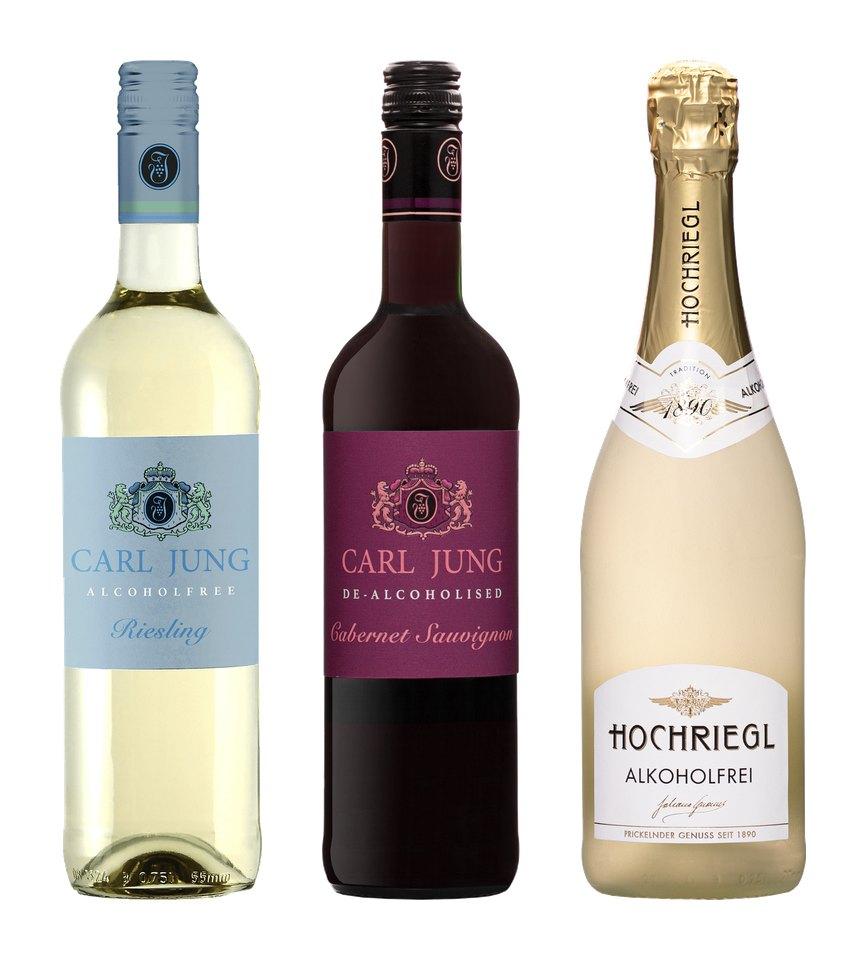
Tip: Our range of non-alcoholic wines includes, for example, Carl Jung Riesling and Carl Jung Cabernet Sauvignon. Always check the alcohol content on the label. You can find more bottles among our non-alcoholic wines.
Taking antibiotics does not have to mean that water and tea are your only options. If you would normally enjoy a glass of wine with dinner but are still undergoing treatment, you can choose non-alcoholic wine. Under EU rules, fully dealcoholised wine may contain no more than 0.5% alcohol by volume.
It is therefore worth reading the label even with non-alcoholic wine, as alcohol content varies by producer. We explain how alcohol is removed from wine in our article The secret of how non-alcoholic wine is made. If you are taking metronidazole or another medicine that explicitly prohibits alcohol, choose beverages labelled 0.0%. If you are taking linezolid, ask your doctor or pharmacist about non-alcoholic wine first.
Frequently asked questions (FAQ)
Can alcohol reduce the effectiveness of antibiotics?
For most common antibiotics, such as oral penicillins or azithromycin, there is no evidence of this according to the available data. Doxycycline is an exception: alcohol may speed up its breakdown, and long-term excessive drinking may reduce its blood concentration below an effective level. The review study mentioned above also describes a possible reduction in the effectiveness of erythromycin.
Are Amoksiklav and Augmentin the same?
Amoksiklav contains the same combination of active ingredients as Augmentin, namely amoxicillin and clavulanic acid. Its patient information leaflet also does not mention alcohol. The same therefore applies as with Augmentin: there is no specific ban, but alcohol may worsen nausea or diarrhoea.
Can I drink alcohol while taking azithromycin (Sumamed)?
The Sumamed leaflet does not mention alcohol, and the review study cited above lists azithromycin among antibiotics that can be combined with alcohol according to the available data. That does not mean drinking while you are ill is necessarily a good idea. If the medicine causes digestive problems, it is better to wait until you have completed treatment before having alcohol.
Does alcohol contained in medicines also matter when taking metronidazole?
Yes. The summary of product characteristics for Metronidazol AVMC recommends avoiding not only alcoholic beverages but also medicines containing alcohol. If you are taking another medicine during treatment, such as drops or syrup, and you are unsure whether it contains alcohol, check its leaflet or ask a pharmacist.
What should I do if I have had a glass of alcohol while taking metronidazole?
Do not drink any more alcohol, monitor how you feel and do not stop your treatment without consulting a doctor. The leaflet lists possible symptoms such as abdominal cramps, nausea, vomiting, headache and facial flushing. If symptoms occur or you are unsure what to do, contact a doctor. If you experience severe symptoms such as palpitations or repeated vomiting, seek medical help immediately.
Conclusion
There is no single rule that applies to all antibiotics and alcohol. The leaflets for metronidazole and doxycycline prohibit alcohol during treatment or explicitly warn against it, while Augmentin and Zinnat do not mention it, and penicillin leaflets vary by manufacturer. Even so, it is sensible to keep alcohol consumption to a minimum while you are ill and give your body time to recover. Before pouring yourself a drink, read the leaflet for your medicine and, if in doubt, ask your doctor or pharmacist.
If a celebration happens to fall during your treatment, you do not have to attend with an empty glass. Our range of non-alcoholic drinks includes tonics, lemonades and non-alcoholic wine. Return to alcoholic drinks only when both the patient information leaflet and your health allow it, and always in moderation.


