







How to choose a fruit distillate: a guide for beginners and connoisseurs
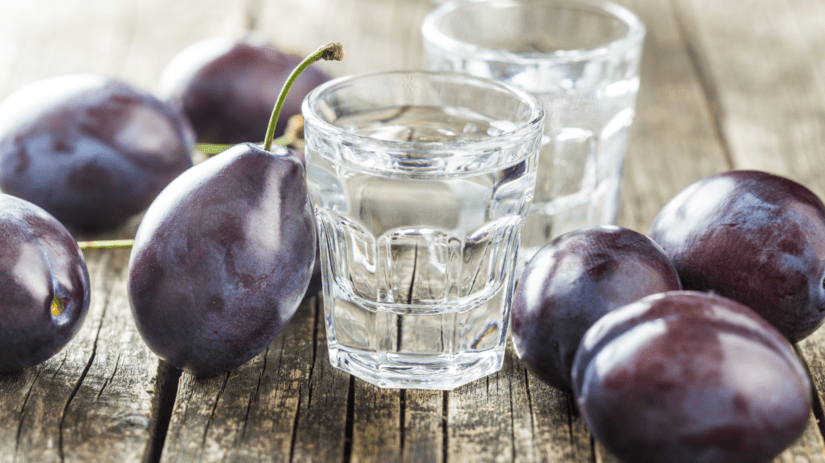
Fruit distillates are traditional alcoholic beverages that are becoming increasingly popular. They are characterized by a pure fruit flavor, artisanal production, and often a strong regional character. But how can you navigate the selection and know what is a true distillate and what is just a spirit? And which fruit distillate is right for you?
In this article, we will help you understand the basic concepts and types of spirits.
The difference between distillate and spirits: do you know what you're drinking?
Many people confuse these terms, but the difference between them is fundamental - especially in terms of quality.
What is distillate?
Distillate is produced by fermenting and then distilling fruit or other natural raw materials. The alcohol in it comes exclusively from the fruit used, and the drink retains its natural taste and aroma.
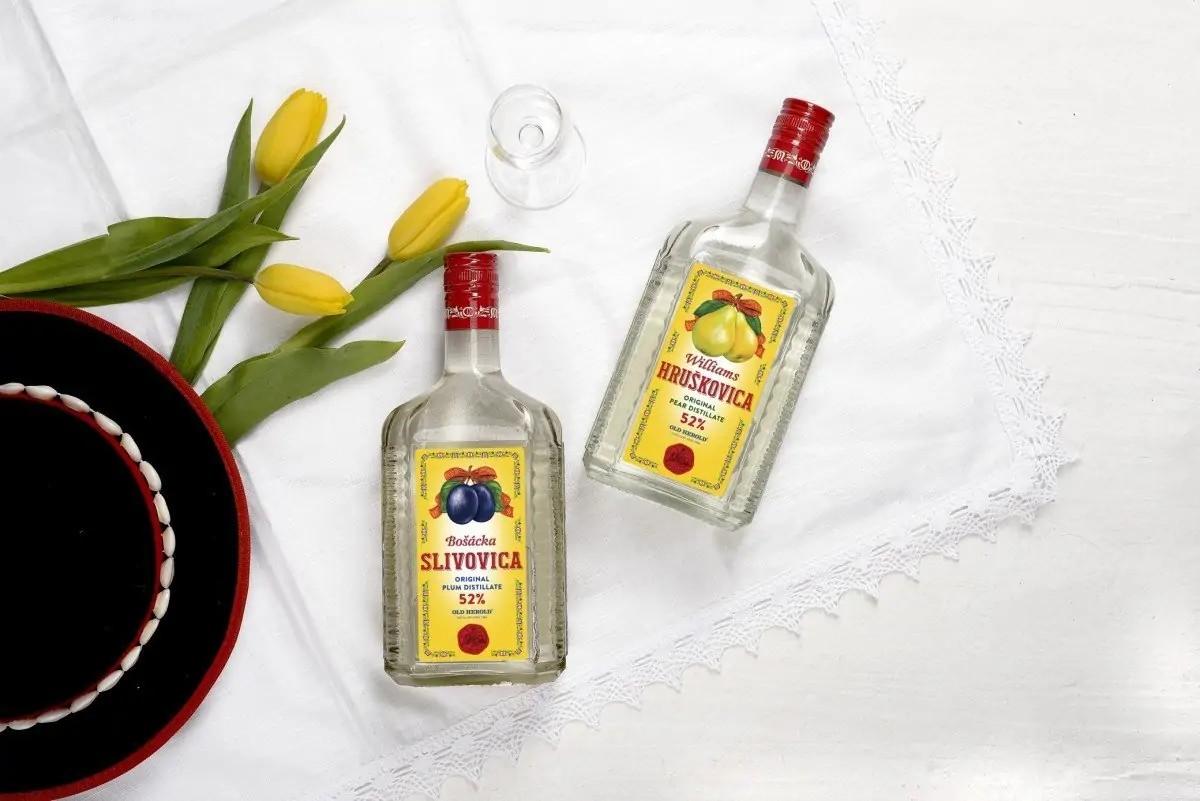
A typical feature is the ending „-ica“:
(hint: if it ends in "ica," it's a distillate)
What is spirits?
Spirits are beverages made from alcohol (often from grains or potatoes) and then flavored with aromas, sugar, or fruit extracts. The fruit does not have to undergo fermentation or distillation.
The result may taste good, but it is not a true fruit distillate.
If you are looking for quality, purity, and authentic fruit flavor, choose a distilled spirit.
Traditional fruit distillates: a classic that never disappoints
Traditional spirits have a long history in our country and are among the most popular choices.
Slivovica / Plum brandy
The most famous and widespread fruit distillate in Slovakia. It has a distinctive fruity taste, a subtle spiciness, and is often made from local plums.
Hruškovica / Pear brandy
More delicate and elegant, often from the Williams variety. It stands out with its sweet aroma and smooth taste.
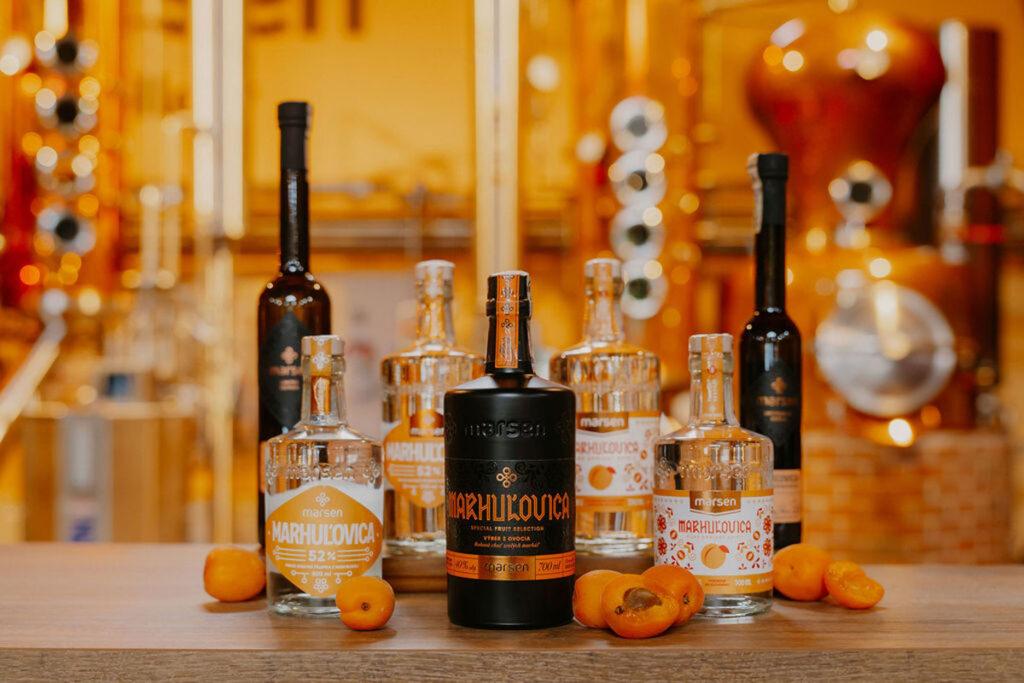
Marhuľovica / Apricot brandy
Full-bodied, aromatic, and slightly sweet. Particularly popular for its distinctive fruitiness.
These spirits are the ideal choice if you are new to fruit spirits or are looking for a tried-and-tested classic.
Unusual fruit distillates: when you want to discover new flavors
In addition to the classics, there are also a number of unusual distillates that will appeal to adventurers and connoisseurs.
Less common examples include:
-
višňovica / sour cherry brandy
-
jablkovica / apple brandy
-
broskyňovica / peach brandy
-
forest fruit distillates
These spirits often come from smaller distilleries and offer an original flavor profile that varies depending on the fruit variety and region.
Fruit distillates vs. non-alcoholic distillates
In recent years, non-alcoholic distillates have also become increasingly popular. They are a modern alternative for those who do not want to or cannot consume alcohol.
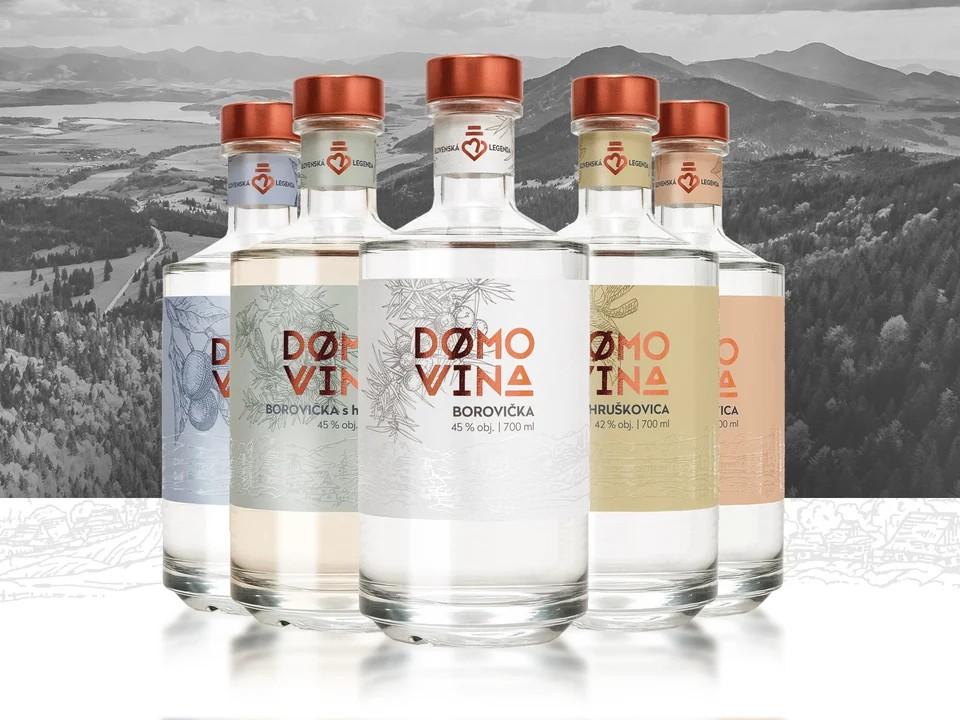
Non-alcoholic distillates:
-
do not contain alcohol
-
are produced by distilling herbs, spices, or fruit
-
used mainly in mixed non-alcoholic drinks
Although they cannot replace real fruit distillates in terms of taste, they offer an interesting alcohol-free experience.
How to choose the right fruit distillate?
When choosing, it is worth paying attention to:
-
composition – ideally without added alcohol and flavorings
-
origin of fruit
-
method of production
-
designation of distillate vs. spirit
If you are looking for a genuine product with an authentic taste, choose from our selection of fruit distillates, where you will find traditional and unusual items suitable for tasting or as gifts.
Frequently asked questions about fruit distillates
Is slivovitz always a fruit distillate?
Yes, real slivovitz is a fruit distillate. It is produced by fermenting and then distilling plums without adding alcohol, flavorings, or sugar. However, beware of products labeled as plum alcohol or slivovitz – spirits that may contain added alcohol and flavorings. A true fruit distillate must come exclusively from fruit.
What is the difference between distillate and brandy?
Fruit distillate is a technical and legal term for alcohol produced by distilling fermented fruit. Pálenka is a folk term commonly used for homemade or traditional distillates. However, not every "pálenka" meets the legal requirements for fruit distillate – the decisive factors are the method of production and the composition without added alcohol.
Do fruit distillates contain sugar?
High-quality fruit distillates do not contain added sugar. Sugar is converted into alcohol during fermentation and does not remain in the finished product after distillation. If the distillate tastes sweet, this is due to the natural flavor of the fruit, not the actual sugar content.
How can I recognize a high-quality fruit distillate?
You can recognize a high-quality fruit distillate by its clean, natural fruit aroma, delicate taste without any sharpness, and without an unpleasant alcoholic aftertaste. The ingredients are also important – the label should not list any added alcohol, flavorings, or sugar. A guarantee of quality is usually the origin from a verified producer, traditional production methods, and often also the amount of fruit used.


