



Piña Colada: Recipe and How to Make a Tropical Cocktail
Piña Colada tastes like a holiday in a glass. Sweet, creamy and bursting with pineapple and coconut aromas, it's a tropical cocktail you can make at home in just a few minutes. The secret lies in three ingredients and the right proportions: white rum, cream of coconut and pineapple juice. Whether you have a bartender's shaker or just an ordinary blender, this tropical classic is easy to prepare.
What is a Piña Colada and why is it still legendary?
Piña Colada is a creamy cocktail originating from Puerto Rico, made with white rum, cream of coconut and pineapple juice. It can be shaken with ice in a cocktail shaker or blended into a thick, icy slush (the so-called frozen version). Its appeal comes from the contrast: coconut provides a velvety creaminess, pineapple adds refreshing acidity and rum gives it just the right kick. The name is sometimes written phonetically in Czech as piňakoláda, but it refers to the very same drink.
What you need: Piña Colada ingredients
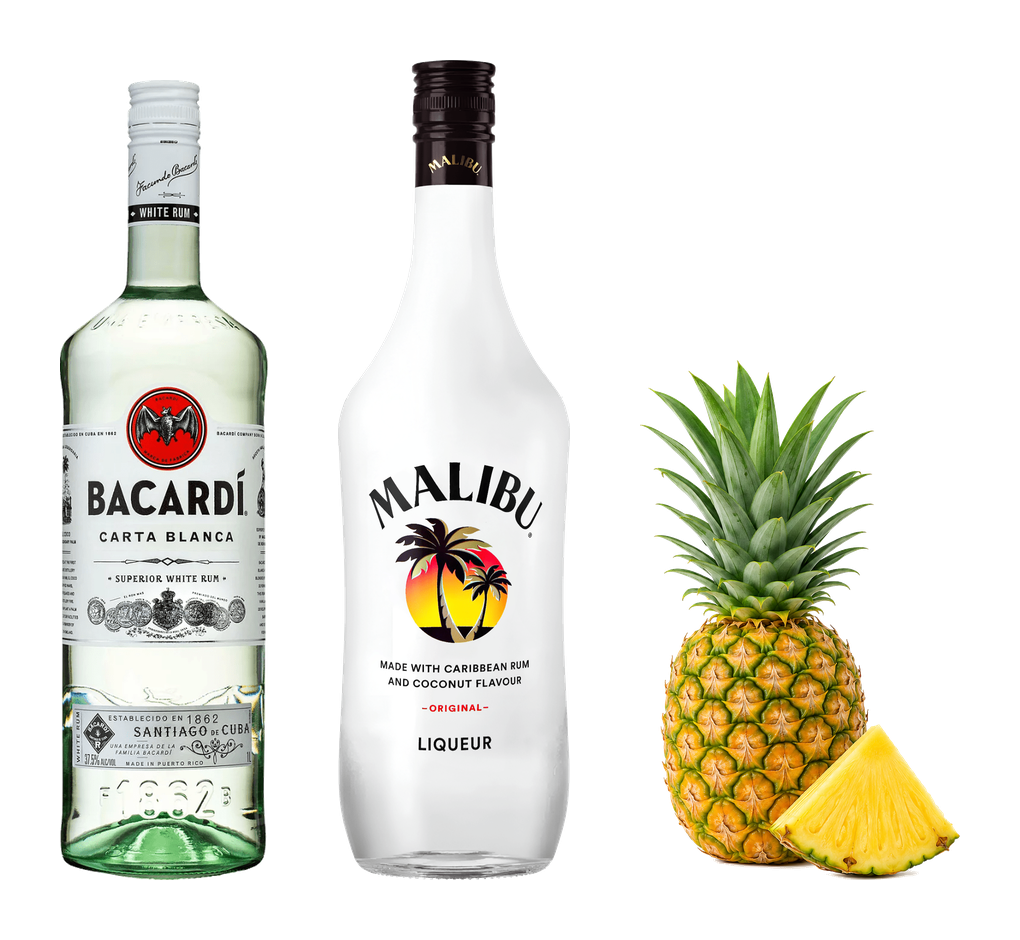
Tip: You can buy the white rum for your Piña Colada directly from us – Bacardi Carta Blanca. For an extra coconut note, try Malibu, a rum-based coconut liqueur (21% ABV). Just add fresh pineapple, cream of coconut and pineapple juice at home.
A Piña Colada needs just three main ingredients; everything else is ice and garnish. Here are the quantities for one serving, which we use consistently throughout this article:
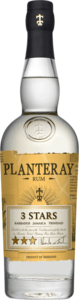
- White rum – 50 ml. Choose a lighter white rum that won't overpower the fruity flavours. Puerto Rican or Cuban styles are ideal. A reliable, affordable option is Bacardi Carta Blanca.
- Sweetened cream of coconut – 30 ml. Be careful: this is not coconut milk. Cream of coconut is thick, white and noticeably sweet, and it gives the drink its signature creamy texture. If you can't find it, you can make a supermarket-friendly substitute: combine 20 ml of the thick part of canned coconut milk with 10 ml of Monin coconut syrup or cane sugar syrup. You'll still have 30 ml, and the drink will remain rich and sweet.
- Pineapple juice – 50 ml. Freshly pressed and strained juice is best, but good-quality 100% pineapple juice without added sugar works too.
- Ice – a handful of cubes or crushed ice. The amount depends on whether you're making a shaken or frozen Piña Colada.
- Garnish – a pineapple slice and a cocktail cherry. Optional, but they are part of the classic Piña Colada experience.
You can buy the ingredients in advance. Rum will keep for years in an opened bottle. Refrigerate the cream of coconut after opening and use it within a few days; open the pineapple juice on the day you make your cocktails. If you're using the thick part of canned coconut milk, leave the can in the fridge overnight. The fat will rise to the top, making it easy to scoop out with a spoon.
How to make a Piña Colada step by step
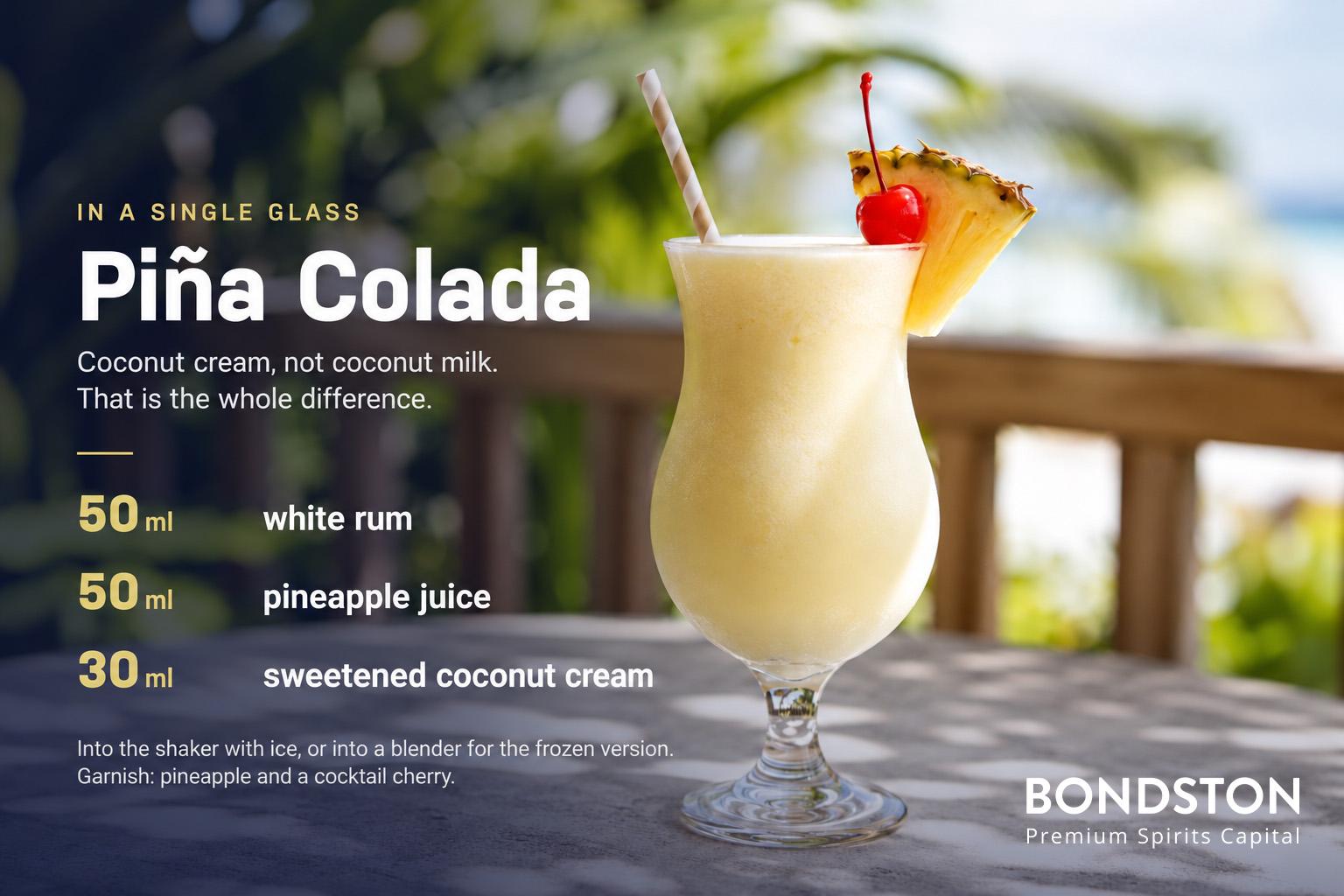
The easiest way to make a good Piña Colada is with a cocktail shaker. The entire process takes just three minutes, and you don't need any special equipment.
-
Chill the glass. Before you start, put your glass in the freezer for a few minutes or fill it with ice. A cold glass will keep your drink refreshing for longer.
-
Fill the shaker with ice. Add a generous handful of ice cubes. The more ice you use, the more efficiently the drink chills and the less it becomes diluted.
-
Add the ingredients. Pour in 50 ml of white rum, 30 ml of cream of coconut and 50 ml of pineapple juice. The order doesn't matter.
-
Shake thoroughly. Close the shaker and shake vigorously for 10 to 15 seconds, until the outside becomes frosty. Cream of coconut is thick, so it needs a little time to blend properly with the other ingredients.
-
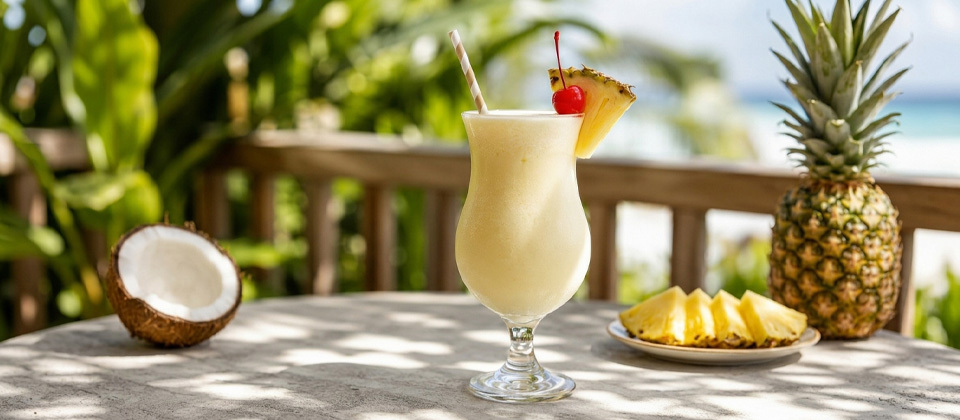
Strain and garnish. Strain the cocktail into a chilled glass, add fresh ice, place a pineapple slice and cocktail cherry on the rim and add a straw. Done!
Shaker or blender? The frozen Piña Colada
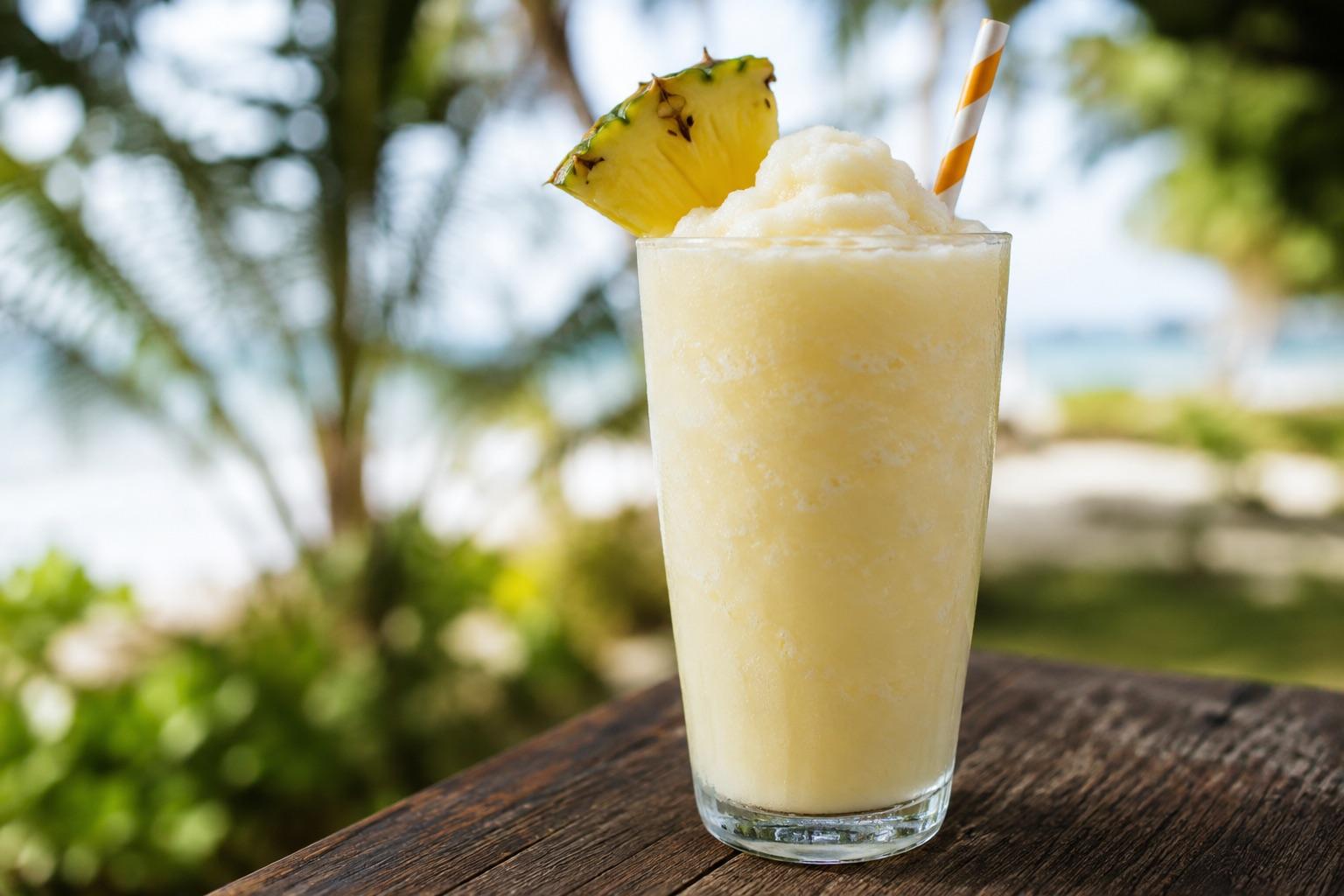
There are two ways to prepare a Piña Colada, each producing a slightly different result. It's worth knowing what to expect before you reach for the ingredients.
The shaken version (described above) is quick and stays liquid, like a traditional cocktail. The frozen version is made in a blender: blend all the ingredients with a generous amount of crushed ice until you have a thick, icy slush that's almost firm enough to eat with a spoon. That's the frosty texture most people remember from seaside holidays.
The ingredient ratio is the same for both versions; only the ice quantity changes. Use a generous handful of ice cubes in a shaker or around 150 g of crushed ice per serving in a blender. Blend briefly, for 20 to 30 seconds: blend for too long and the ice will melt, turning your slush into a lukewarm, watery drink. If your frozen version is too thin, use more ice next time rather than less juice.
The right proportions and how to adjust them
The ratio used throughout this article is 50 ml white rum, 30 ml cream of coconut and 50 ml pineapple juice. These are also the quantities in the official International Bartenders Association (IBA) recipe, which calls for blending the drink with ice.
At home, people often add a little more pineapple juice – perhaps 70 to 90 ml. That doesn't mean pineapple juice isn't sweet. Sweetened cream of coconut contains around 50 g of sugar per 100 g, whereas 100% pineapple juice contains approximately 10 to 14 g per 100 ml. So it's the cream of coconut that contributes the most sugar to the cocktail. Adding more juice mainly increases the volume and fruity acidity, with relatively little additional sugar, making the drink feel lighter.
That's why you should adjust the sweetness with cream of coconut rather than juice. Want a less sweet Piña Colada? Use 20 ml instead of 30 ml and you'll notice the difference immediately. Conversely, increasing the rum above 50 ml isn't worth experimenting with: Piña Colada is a creamy drink made for slow sipping, and once the alcohol overwhelms the coconut, the balance is lost.
Popular Piña Colada variations
The basic recipe is only a starting point: Piña Colada lends itself to many variations. Two of them are particularly popular, so we've included their full recipes below.
Piña Colada with Malibu
Malibu is a rum-based coconut liqueur with 21% alcohol by volume, according to the manufacturer. However, it's not classified as rum: under EU Regulation 2019/787, rum must contain at least 37.5% alcohol and must not be flavoured. Malibu is therefore sweeter and milder than straight white rum. In this version, we reduce the cream of coconut but keep some rum to make sure the cocktail still has a kick.
Ingredients (1 serving):
- 30 ml Malibu
- 30 ml white rum
- 20 ml sweetened cream of coconut
- 50 ml pineapple juice
- a handful of ice cubes
- a pineapple slice and cocktail cherry to garnish
Method:
- Fill a shaker with ice and add the Malibu, rum, cream of coconut and pineapple juice.
- Shake for 10 to 15 seconds, until the outside of the shaker turns frosty.
- Strain into a chilled glass with fresh ice, garnish with pineapple and a cherry, and serve with a straw.
Prefer to leave out the straight rum entirely? Use 60 ml of Malibu and reduce the cream of coconut to 15 ml. The cocktail will be noticeably sweeter and weaker, at roughly 8% alcohol. You can find Malibu and other coconut liqueurs and rums in our selection.
Non-alcoholic Piña Colada
Piña Colada works surprisingly well without alcohol because its flavour comes primarily from coconut and pineapple rather than rum. Simply replace the 50 ml of rum with the same extra amount of pineapple juice.
Ingredients (1 serving):
- 30 ml sweetened cream of coconut (or 20 ml thick canned coconut milk and 10 ml coconut syrup)
- 100 ml pineapple juice
- 10 ml lime juice (optional, to balance excess sweetness)
- 150 g crushed ice
- a pineapple slice and cocktail cherry to garnish
Method:
- Add the cream of coconut, pineapple juice, lime juice and crushed ice to a blender.
- Blend for 20 to 30 seconds until you have a thick slush.
- Pour into a tall glass, top with a pineapple slice and cherry and serve with a straw.
For an even stronger pineapple flavour, add 10 ml of pineapple syrup. This homemade alcohol-free Piña Colada is perfect for designated drivers and family celebrations alike. Find more family-friendly drink ideas in our non-alcoholic drinks section.
Piña Colada with cream
If you enjoy a richer, almost dessert-like cocktail, replace 30 ml of pineapple juice with the same amount of whipping cream. The rest of the recipe stays the same, but the resulting drink is smoother and less fruity.
What glass should you serve a Piña Colada in?
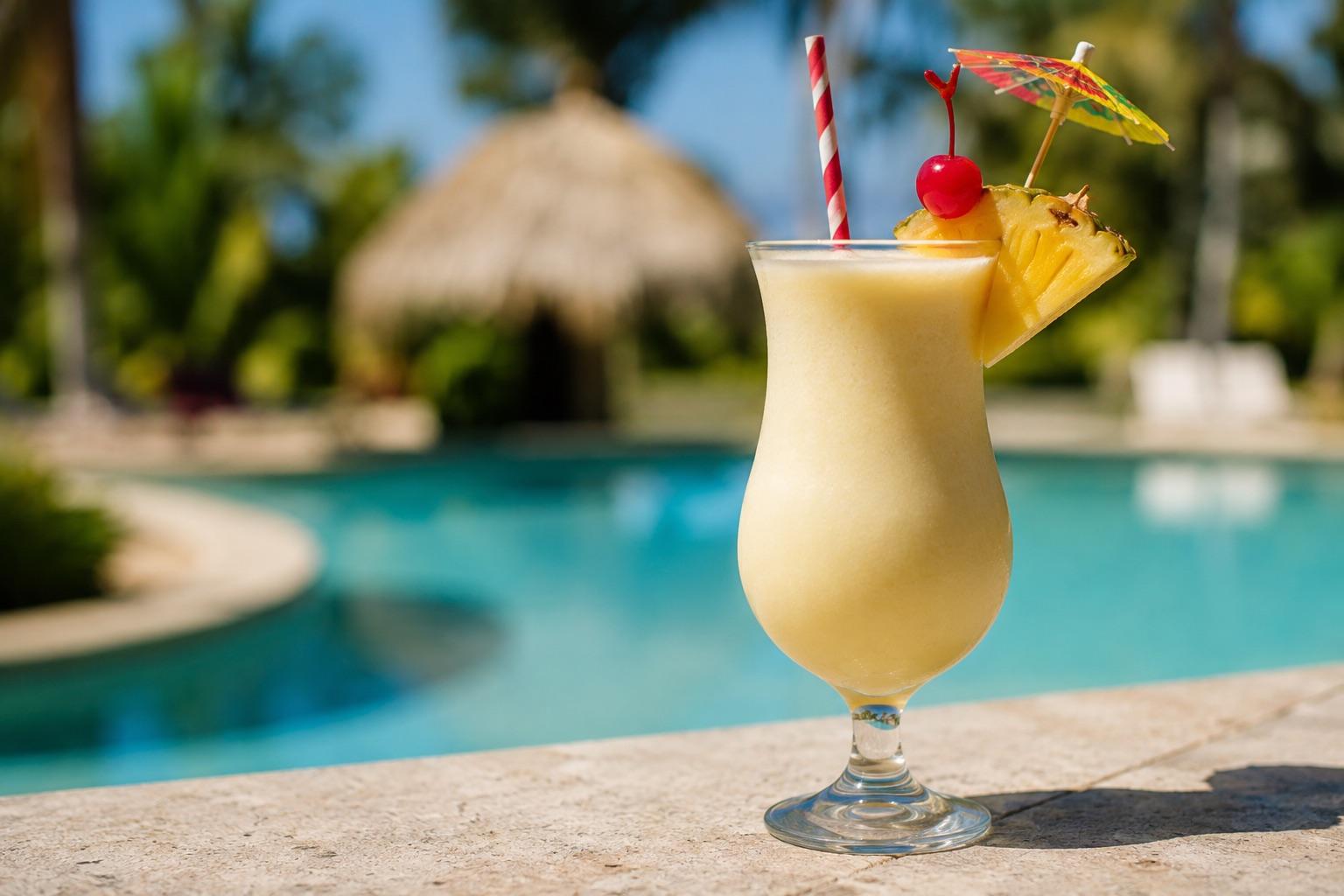
Piña Colada deserves a large glass. The classic choice is a hurricane glass – a tall, curved, lamp-shaped glass with plenty of space for a generous serving and ice. If you don't have one, any large glass will do, ideally one with a stem.
For the garnish, add a slice of fresh pineapple to the rim and a cocktail cherry. A paper umbrella or colourful straw also fits the theme. For the frozen version, pineapple and cherry look especially good placed on top of the icy slush. Garnishes aren't essential, but they turn an ordinary cocktail into a holiday experience.
The history of Piña Colada: From Puerto Rico to your glass
Piña Colada has been Puerto Rico's national drink since 1978. The Caribe Hilton hotel in San Juan is often considered its birthplace. According to the hotel's official account, bartender Ramón “Monchito” Marrero created it there in 1954, helped by a then-new product: sweetened cream of coconut. Other Puerto Rican bartenders have also claimed to have invented the cocktail. Even its name is interesting: translated literally from Spanish, Piña Colada means “strained pineapple”, referring to freshly pressed and strained pineapple juice – the foundation of any authentic Piña Colada.
The most common Piña Colada mistakes
Here are the mistakes people make most often when preparing a Piña Colada:
- Confusing cream of coconut with coconut milk. Coconut milk is thinner and unsweetened, so the drink won't have the right creamy consistency or sweetness. Always use sweetened cream of coconut or make your own substitute from thick coconut milk and coconut syrup.
- Not using enough ice. Too little ice melts quickly and dilutes the Piña Colada. Use a generous amount of properly chilled ice instead.
- Making it too sweet. Proper sweetened cream of coconut is already very sweet, so don't add extra sugar or syrup to the basic recipe. Syrup is only needed when making your own cream-of-coconut substitute. If your Piña Colada is still too sweet, reduce the cream of coconut to 20 ml and make up the difference with juice.
Frequently asked questions (FAQ)
How do you make a Piña Colada without a blender?
You can make the classic liquid version in a shaker. Add ice, 50 ml white rum, 30 ml cream of coconut and 50 ml pineapple juice, then shake vigorously for around 10 to 15 seconds. Strain into a chilled glass with ice and garnish. You can't make a frozen slush without a blender, but the flavour will be exactly the same.
What's the difference between cream of coconut and coconut milk?
Cream of coconut is thick and sweetened, whereas coconut milk is thinner and unsweetened. For Piña Colada, you need cream of coconut to achieve that signature sweet creaminess. Coconut milk on its own will dilute the drink and reduce its sweetness. The only suitable substitute is the thick part of chilled canned coconut milk combined with coconut or cane sugar syrup.
How much alcohol is in a Piña Colada?
Using our proportions, 50 ml of rum at 37.5% to 40% ABV mixed with the other ingredients makes approximately 130 ml of cocktail before dilution, giving an alcohol content of around 15%. Once shaken with ice, which dilutes the drink, this drops to approximately 12%. The sweet flavour masks the alcohol, so sip slowly and drink responsibly. The Malibu version is weaker because the liqueur is only 21% ABV.
Is it spelled Piña Colada or piñacolada?
The original Spanish name is Piña Colada. In Czech, you may also come across phonetic spellings such as piňakoláda or piňa colada, all referring to exactly the same cocktail. The ingredients and preparation don't change; only the spelling does.
What can you use instead of rum in a Piña Colada?
A common substitute is Malibu, a rum-based coconut liqueur with 21% alcohol, which enhances the coconut flavour. Bear in mind that the drink will be sweeter and less alcoholic, so reduce the cream of coconut as well. For a fully alcohol-free version, leave out the rum and replace it with the same amount of pineapple juice.
Conclusion
When making a Piña Colada, ingredient quality matters more than technique. Proper sweetened cream of coconut and good pineapple juice transform three simple ingredients into a taste of the Caribbean. Whether you choose the classic shaken cocktail or an icy frozen version, the base remains the same: 50 ml white rum, 30 ml cream of coconut and 50 ml pineapple juice. Both the Malibu and non-alcoholic variations build on these proportions, and you'll find their full methods in the variations section.
If you'd like to mix an authentic Piña Colada, explore our range of white rums. And if you're inspired to try more cocktails, head to our mixed drinks section for plenty of ideas. Cheers, and drink responsibly.