



#mixathome cocktails - Part 3
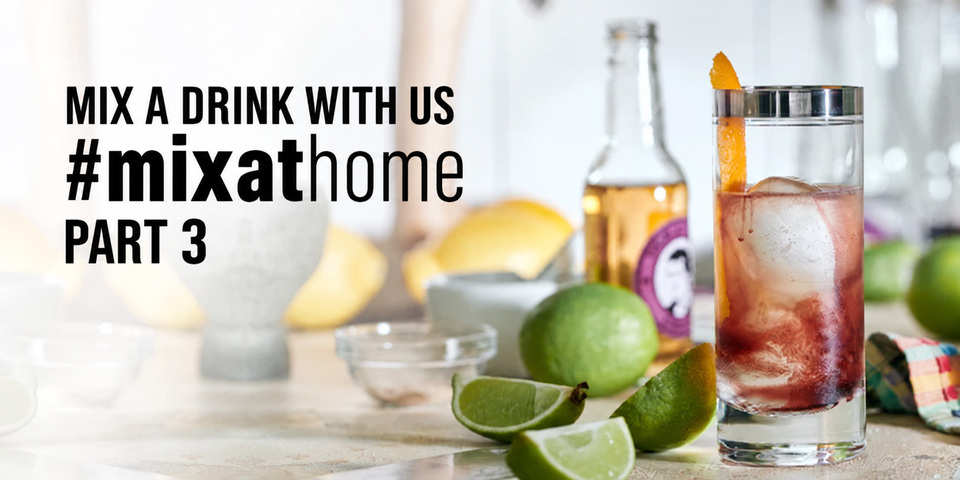
Gently bitter and simultaneously sweet sparkling lemonade. What comes to mind first when you hear the word Tonic? Bavarian beer! The legendary combination of fernet and tonic, known to every Slovak and Czech, certainly needs no introduction. However, let's take a look at what tonic actually is, how it originated, and what drinks we can prepare from it.
What is tonic, actually?
Tonic is a carbonated non-alcoholic beverage that we often confuse with a bottle of soda in the store (a big mistake). It consists of water carbonated with carbon dioxide, sugar, and a small amount of quinine, which gives it a distinct bitter taste.
Wait, what is quinine?
Quinine is a bitter compound extracted from the bark of the Cinchona tree. The name is derived from the original Quechua word for the bark of the Cinchona trees “quina” or “quina-quina,” which means “bark of bark” or “holy bark.” It was used for its medicinal properties long before it was brought to Europe by Spanish explorers from Ecuador and Peru in the 17th century. Quinine was primarily used as a muscle relaxant to alleviate shivering in cold weather.
A remedy for malaria
During the expansion, British soldiers were deployed to exotic tropical countries, Africa, and India, which were plagued by malaria. Many historians believe that Africa stopped being known as the “grave of white men” precisely because of quinine. It was literally a gift from heaven! An effective treatment for malaria was highly sought after, but the bitter taste of the medicine was very unpopular. (Quinine remains the most important medicine for treating malaria and is also used against fevers.)

How did gin and tonic come to be?
To make the bitter tonic water more pleasant, soldiers started adding sugar, and thus tonic was born! They then mixed gin into the tasty ““healthy” water, and the legendary combination was created. The navy even mandated that this drink be consumed regularly.
The first commercial tonic water was produced in 1858 in British colonial India. It didn't take long for this popular refreshing drink, ideal for warm weather, to become a fashionable and trendy beverage.
Today, we know various versions and flavors of tonic. The most popular ones here are undoubtedly ginger and pink tonic. However, the company Thomas Henry offers completely different and unique flavors like elderflower, cherry blossoms, or even coffee.
Recipe selection for this week:
Hyogo, Tea and Tonic

Hyogo, Tea & Tonic:
■ 50ml gin - 135 East Hyogo Dry Gin
■ 1 bag of any tea (we recommend using fruit tea)
■ Thomas Henry Tonic Water
Place the tea bag in a glass, pour in the gin, and let it steep for 2 minutes. Then add ice to the glass and top up with tonic. A simple, tasty, and impressive drink!
Cannon Street Fizz

Cannon Street Fizz:
■ 40ml vodka
■ 15ml Cointreau
■ 15ml fresh lime juice
■ Thomas Henry Elderflower Tonic
■ fresh coriander and cucumber for garnish
Pour vodka, Cointreau, and lime juice into a tall glass with ice. Gently stir and top up with Thomas Henry Elderflower Tonic. Garnish with fresh coriander and a slice of cucumber.
Jaeger Coffee Brew

Jaeger Coffee Brew:
■ 35ml Jägermeister
■ Thomas Henry Coffee Tonic
■ lemon peel for garnish
In a tall highball glass, add ice and Jägermeister. Top with Thomas Henry Coffee Tonic and garnish with lemon peel. Cheers!
Don't forget to share your created drinks on social media with the hashtag #miesamdoma and tag @svetnapojov. We will select and reward the best posts with shopping vouchers.