Jim Beam is one of the most famous and best-selling bourbon brands in the world and is closely tied to the history of American whiskey. Its roots date back to the late 18th century when a family of German immigrants settled in Kentucky – an area…
Jim Beam is one of the most famous and best-selling bourbon brands in the world and is closely tied to the history of American whiskey. Its roots date back to the late 18th century when a family of German immigrants settled in Kentucky – an area that later became the heart of bourbon production. It was here that the foundation of the brand was established, which still emphasizes tradition and consistent style today.
The Beginnings of Jim Beam
The founder was Jacob Beam, a descendant of the Boehm family, who anglicized his surname to Beam. On his own land in Kentucky, he grew corn and grain, which he began to use for distillation. In 1795, he started selling his whiskey under the name Old Jake Beam from the distillery Old Tub. Later, his son David Beam took over, expanding the brand and moving the distillery to an area with better distribution options.
Jim Beam After Prohibition
After the end of Prohibition, James B. Beam played a key role in restoring production in Clermont, Kentucky in 1933. It was after him that the brand acquired its now-iconic name Jim Beam Bourbon. In the following decades, the Beam family contributed to the further development of the brand, including building new capacities and solidifying Jim Beam's position as a symbol of classic Kentucky bourbon.
Tasty Bourbon and Iconic Bottles
Jim Beam is known for its balanced flavor profile, which is based on corn and notes of vanilla, caramel, and gentle oak. A significant mark in the modern history of the brand was left by Booker Noe, the legendary master distiller, who was responsible for the creation of Booker’s bourbon bottled at barrel strength. In the portfolio of brands around Jim Beam, you will also find Knob Creek, a premium bourbon favored for its fuller and more intense character.
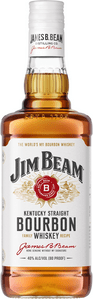
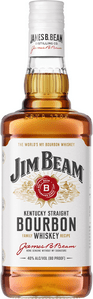
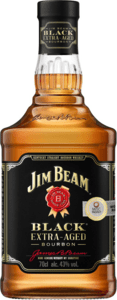
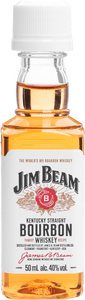
If you want to start with a classic, reach for Jim Beam White, or try the bold rye whiskey in the form of Jim Beam Rye.
Jim Beam is one of the most famous and best-selling bourbon brands in the world and is closely tied to the history of American whiskey. Its roots date back to the late 18th century when a family of German immigrants settled in Kentucky – an area…
Jim Beam is one of the most famous and best-selling bourbon brands in the world and is closely tied to the history of American whiskey. Its roots date back to the late 18th century when a family of German immigrants settled in Kentucky – an area that later became the heart of bourbon production. It was here that the foundation of the brand was established, which still emphasizes tradition and consistent style today.
The Beginnings of Jim Beam
The founder was Jacob Beam, a descendant of the Boehm family, who anglicized his surname to Beam. On his own land in Kentucky, he grew corn and grain, which he began to use for distillation. In 1795, he started selling his whiskey under the name Old Jake Beam from the distillery Old Tub. Later, his son David Beam took over, expanding the brand and moving the distillery to an area with better distribution options.
Jim Beam After Prohibition
After the end of Prohibition, James B. Beam played a key role in restoring production in Clermont, Kentucky in 1933. It was after him that the brand acquired its now-iconic name Jim Beam Bourbon. In the following decades, the Beam family contributed to the further development of the brand, including building new capacities and solidifying Jim Beam's position as a symbol of classic Kentucky bourbon.
Tasty Bourbon and Iconic Bottles
Jim Beam is known for its balanced flavor profile, which is based on corn and notes of vanilla, caramel, and gentle oak. A significant mark in the modern history of the brand was left by Booker Noe, the legendary master distiller, who was responsible for the creation of Booker’s bourbon bottled at barrel strength. In the portfolio of brands around Jim Beam, you will also find Knob Creek, a premium bourbon favored for its fuller and more intense character.
If you want to start with a classic, reach for Jim Beam White, or try the bold rye whiskey in the form of Jim Beam Rye.