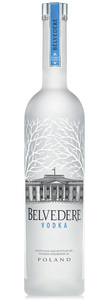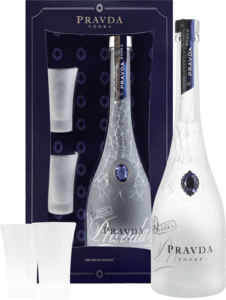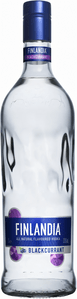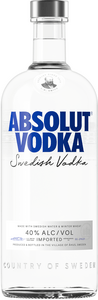




How to choose Vodka?
Choosing the right vodka is truly an art. However, we can help you with that. Come take a look with us at a brief history of this clear drink!
Vodka is the most famous alcoholic drink of clear color, made from grains or potatoes.
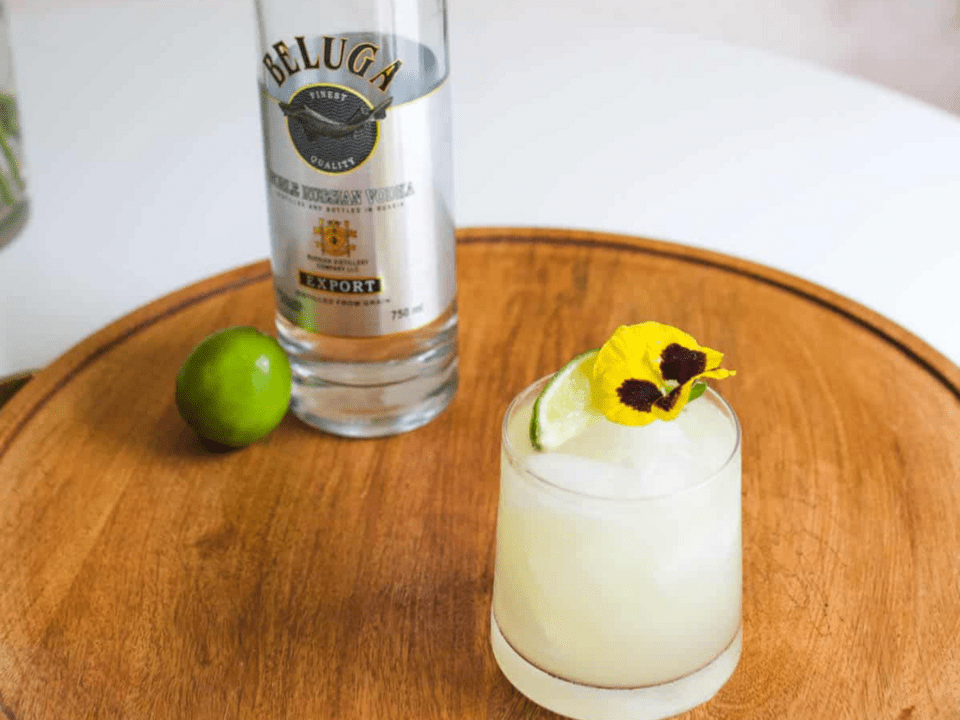

The origin of vodka remains unclear, with several countries arguing over its exact birthplace. Poland, Finland, Sweden, and of course, Russia all claim to be the home of this drink. The closest to the truth are probably the Russians, as the first written mentions of vodka date back to the 14th century in Russia. In Tsarist Russia, vodka was not only an important element of social life but also played a significant role in politics. Vodka simply belonged at the parties of the imperial court. An interesting fact is that until the 18th century, vodka had about 20% alcohol, unlike today's 40%.

The term "vodka" can at least partially be explained by its origin from Slavic languages, meaning "water." Traditionally, vodka is made from grains and potatoes, but it can also be produced from sugar beets or fruits. Different countries have their preferred raw materials – in Finland, it’s barley, in Sweden, rye, and in Poland, potatoes. The technological process of production begins with crushing the base raw material into small pieces, which are then allowed to ferment.
The resulting liquid is then distilled several times, yielding pure alcohol. To purify it, activated carbon is often used, through which the vodka is filtered. After this process, we have pure vodka, which is still too strong, so it is diluted with water.

The name vodka first appeared in Poland in 1405, but at that time it did not describe an alcoholic beverage. It referred to a medicinal and cosmetic product. The Poles called the spirit gorzałka. It was not until 1982 that the court in The Hague recognized the Soviet Union as the first producer of the alcoholic beverage named vodka. Russians take pride in their cultural heritage and have several stories about the origin of the beloved distillate.

Vodka is clear, with no distinct taste or smell, making it an essential part of mixed drinks. Bartenders love it and it pairs well with drinks like Cosmopolitan, Moscow Mule, Vodka Martini, or Bloody Mary.

Vodka is among the most popular spirits in the world. In 2012, approximately 4.44 billion liters were consumed, making it the best-selling spirit. This was similarly the case in 2019 and 2020, when Smirnoff Red vodka was among the best sellers. Traditionally, it is made from grains such as sorghum, corn, rice, rye, or wheat, but modern recipes may also include potatoes or grapes. The vodka declaration states that vodka can be labeled as a spirit with a minimum alcohol content of 37.5% in European Union countries. Most countries also require a minimum of triple distillation of vodka.

We divide vodka into three basic categories:
- Plain vodka
- Flavored vodka
- Cereal vodka