



Scottish whisky through time: then and now

The origins of Scotch whisky and its historical development
Scottish whisky is one of Scotland's most famous symbols, with a history dating back to 1494, when the oldest surviving record of the production of "aqua vitae" was made. A royal official recorded that a Franciscan monk, John Cor, received eight bushels of malt from the Scottish king, James IV, to produce "water of life," which over time became Scottish whisky as we know it today.
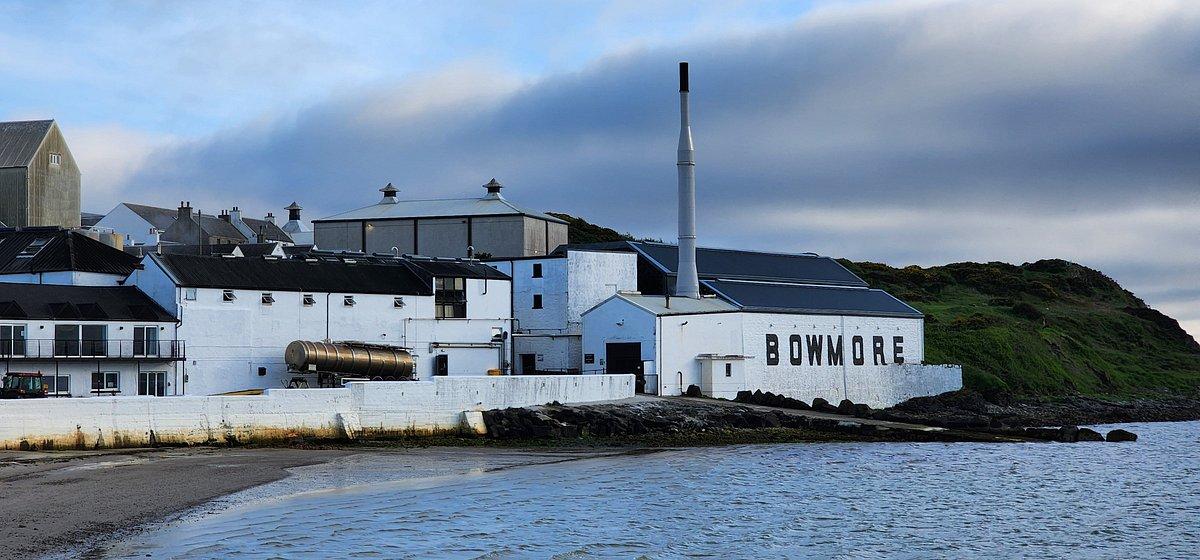
From a historical perspective, it appears that alcohol distillation was originally the domain of monasteries and healers, not farmers or industry. The big boom in whisky production therefore came later, in the 17th or 18th century, when whisky distillation passed into the hands of ordinary farmers, who began to process surplus barley and used distillation as a way of "preserving" their harvest. However, Scotland originally had a very high tax on alcohol, and the license to distill was expensive, which meant that most whisky production took place illegally. Despite this, there were distilleries that obtained this license and produced legally, including the oldest still operating distillery in Scotland, Glenturret (1763/1775), and distilleries such as Glen Garioch (1797), Bowmore (1779), Strathisla (1786), Oban (1794), and the now defunct Littlemill (1772-2004).
A major change came in 1823 with the passing of the Excise Act, which for the first time clearly defined the legal conditions for whisky production and made distilling licenses available for only £10. This period is considered to be the birth of the modern Scottish whiskey industry. The first to take advantage of these new conditions for whiskey production was George Smith, who opened the Glenlivet distillery in 1824, which is still the first legally licensed distillery in the Speyside region.
Technological innovations and the global rise of whisky
Another turning point came in 1830, when Aeneas Coffey patented the so-called "Coffey still," a device for the continuous distillation of whiskey that was capable of producing pure, smooth alcohol continuously, quickly, and, above all, cheaply. This led to the birth of blended Scotch whisky, which still dominates the global market in terms of sales, further aided by the 1909 law (Royal Commission on Whiskey and Other Potable Spirits), which specified that distillates produced by continuous distillation could also be labeled as whisky.
But this alone would probably not have been enough to make Scotch whisky a global giant in the world of "premium alcohol." So what is responsible for its popularity today?
Partly due to Phylloxera, a small insect often referred to as the "enemy of wine," which devastated Europe in the second half of the 19th century and destroyed almost all French vineyards, cognac disappeared from the market and wealthy people and premium businesses sought alternatives. Scottish whisky thus rose to the position of a premium drink, and brands such as Johnnie Walker gained a cult following, thanks in part to quality marketing.
The world wars later made whisky production somewhat more difficult, as the government restricted production due to grain supplies being diverted to the army, causing many distilleries to close.
Then, in the 1980s, Scottish distilleries had such huge surpluses of whiskey that this period was called "Whiskey Loch," a name that refers to the huge amount of whiskey that "flooded the warehouses" due to a decline in demand for Scotch whiskey.
Large surpluses of alcohol led to the closure of many smaller and older distilleries, although today they are cult distilleries such as Brora, Rosebank, and Port Ellen, which became inefficient and whose production was concentrated in larger and more modern distilleries with greater production capacity to meet the demand for blended whiskey on the world market.
The modern era and new trends
Today's era brings a combination of tradition and innovation. After 2000, there was a renewed interest in Scotch whisky, many new distilleries were established, and many of the old ones underwent major renovations. Distilleries began experimenting with barrels that had previously been used for wine, rum, or other beverages, and began investing more in sustainability and energy efficiency.
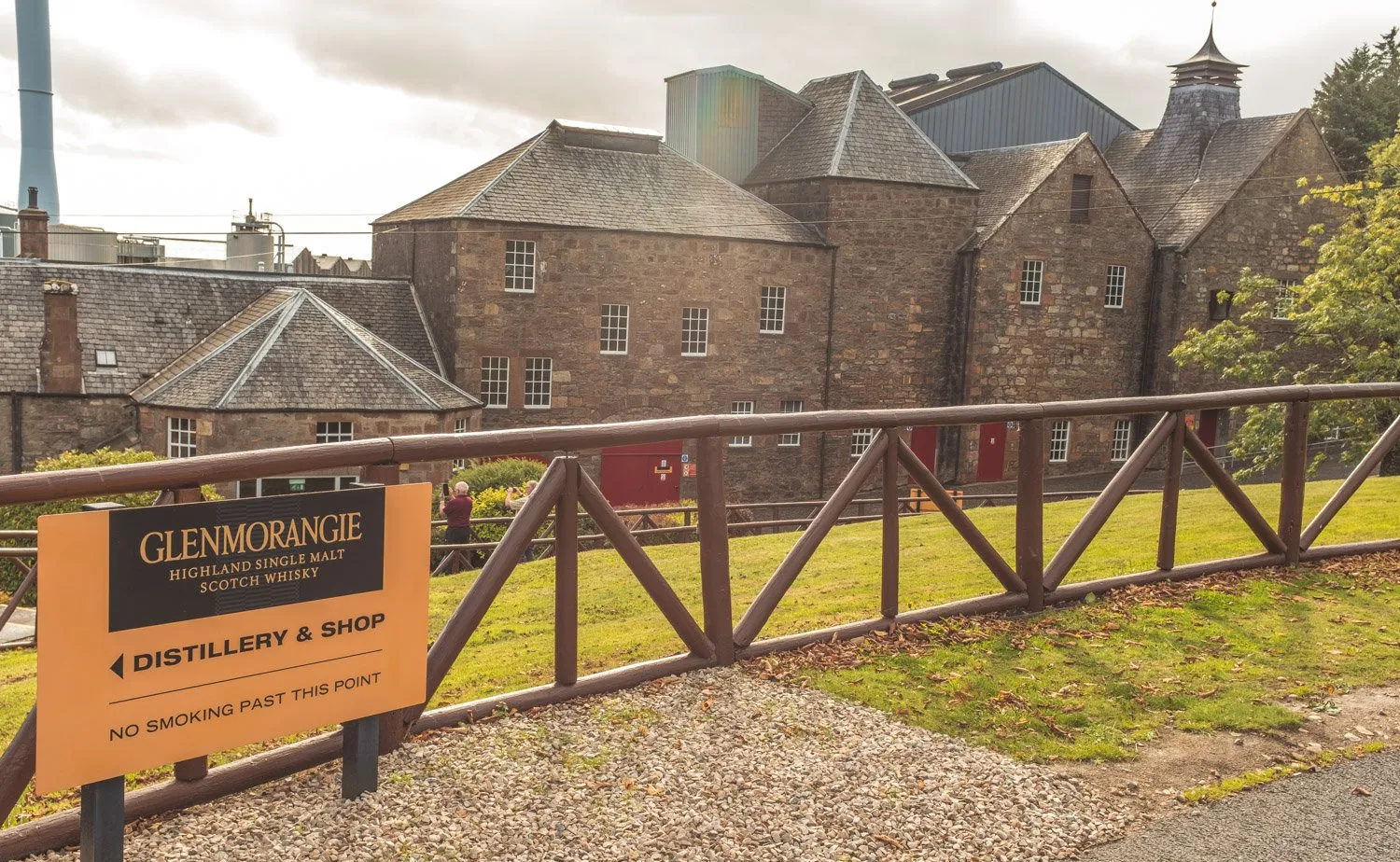
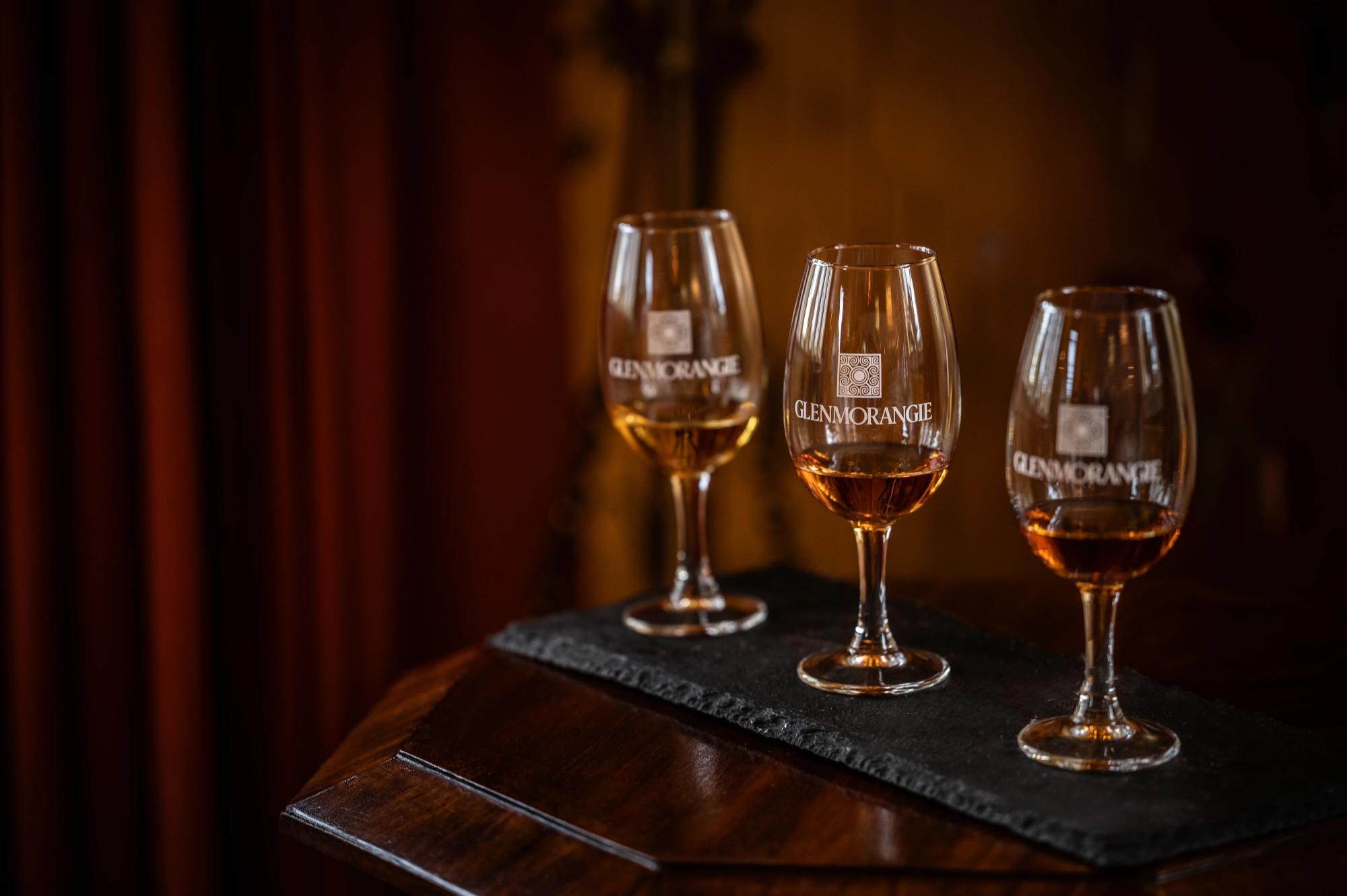
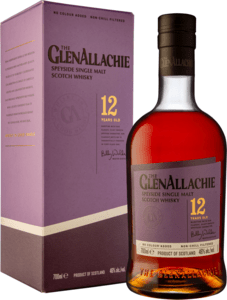
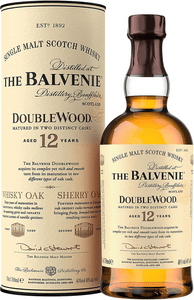
Here we would like to highlight brands such as Glenmorangie and Balvenie, which were among the first to begin experimenting with the gradual maturation of distillates in the 1980s, and Balvenie DoubleWood was the first commercially available whisky gradually matured in two types of casks, which led to the popularization of so-called whisky finishing. This was further developed by personalities such as Billy Walker from GlenAllachie.
Scottish whisky has undergone many changes, from production and maturation to labeling, but one thing has remained unchanged over time: the desire to produce an honest, characterful product and treat consumers to a unique taste experience, whether they venture to the smoke-dominated Islay or the delicate, malt-infused Highlands, they will find something that appeals to them. We will take a look at a few such distilleries in the following articles.