




Kombucha: What it is, what effects it has and how to drink it
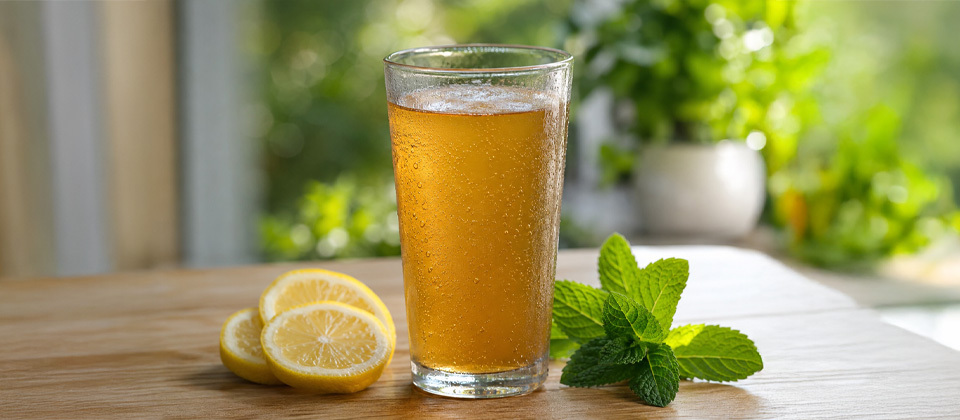
Kombucha may look like an ordinary sparkling iced tea in a glass, but there's a living fermentation process behind it. It's made from sweetened tea that ferments for several days or weeks with a culture known as SCOBY, changing the drink's flavour, acidity and overall composition along the way. Over the past few years, kombucha has become one of the most popular drinks in the world of functional nutrition, mainly thanks to claims about digestion and probiotics. But how many of those promises are actually supported by science, and when should you be cautious? Let's take a closer look.
What Is Kombucha?
Kombucha is a fermented drink made from sweetened tea. It is produced by adding a living culture of bacteria and yeast to cooled sweet tea (black or green) and allowing it to ferment for several days or weeks.
Two processes take place simultaneously during fermentation. Yeast converts sugar into small amounts of alcohol and carbon dioxide, giving the drink its gentle fizz. Bacteria then convert the alcohol into organic acids, primarily acetic acid, which gives kombucha its characteristic tangy flavour. In their 2018 review published in the Journal of Food Science, Villarreal-Soto and colleagues describe kombucha as fermented tea produced through the combined activity of various bacteria and yeasts. The result is a mildly acidic, lightly sparkling drink. (The longer it ferments, the more acidic it becomes and the less residual sugar remains.)
What Is SCOBY, Also Known as the Kombucha Mushroom?
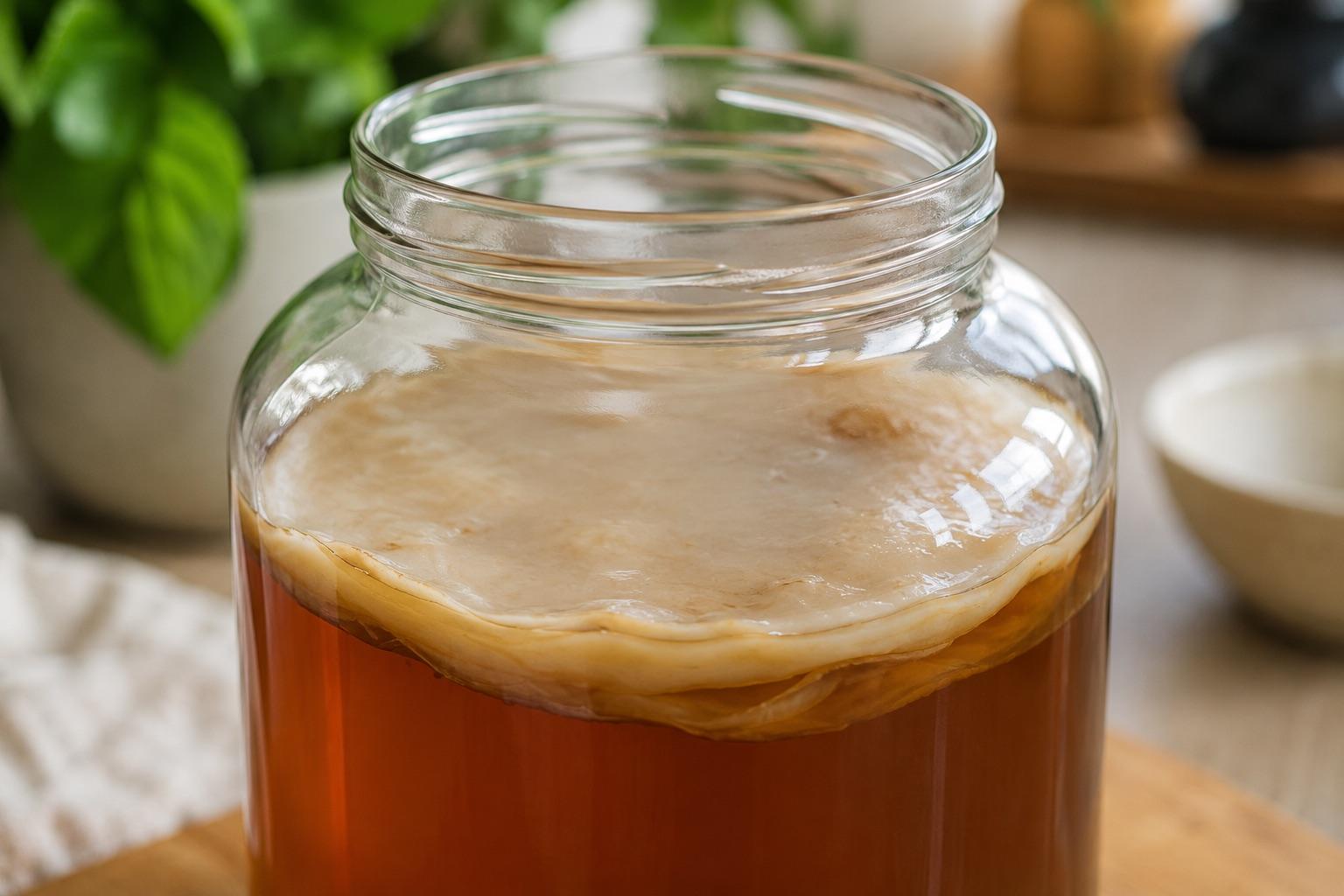
SCOBY stands for "symbiotic culture of bacteria and yeast". It's commonly called a kombucha mushroom, although it isn't a mushroom in the usual sense. The only fungi present are microscopic yeasts.
In reality, it's a living culture that forms a jelly-like cellulose layer on the surface during fermentation. This layer provides a home for the microorganisms responsible for the process. The disc can be reused, and a new layer usually develops with each batch. Over time, the kombucha mushroom grows and can be divided and shared with others.
How Kombucha Is Made Step by Step
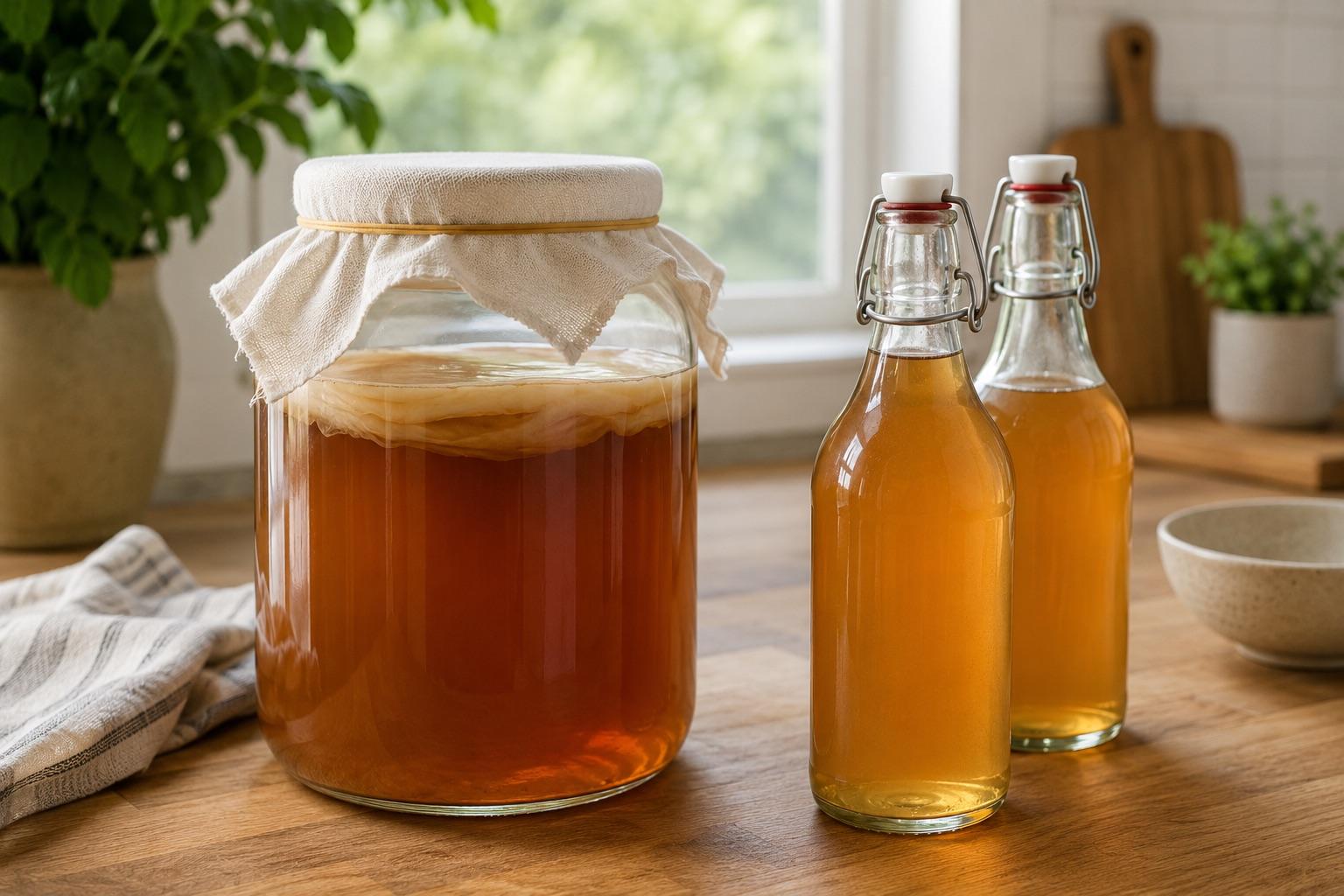
Making kombucha at home isn't particularly difficult, but it requires patience and good hygiene. All you need to get started is sweet tea, a living culture and some time. Here's how the process works.
Step 1 – Brew sweet tea: Prepare black or green tea, dissolve sugar in it and allow it to cool to room temperature. Hot tea could damage the culture.
Step 2 – Add the SCOBY and starter liquid: Place the kombucha culture into the cooled tea and add some finished kombucha from a previous batch. This increases acidity and helps protect the drink against unwanted microorganisms.
Step 3 – Leave it to ferment: Cover the container with breathable fabric and keep it out of direct sunlight, usually for around 7 to 14 days. A shorter fermentation produces a sweeter drink, while a longer one makes it more acidic.
Step 4 – Taste and bottle: Once the flavour is to your liking, transfer the kombucha into bottles. Set the SCOBY aside for your next batch.
Step 5 – Second fermentation (optional): Leave the drink in a sealed bottle with a piece of fruit for a few more days. This develops additional carbonation and a fruity flavour.
Fermentation times and temperatures are approximate. The results depend on the amount of sugar, the type of tea and the temperature in your home.
Where Does Kombucha Come From?
The exact origins of kombucha have never been reliably documented. Scientific reviews suggest that it probably originated in East Asia, particularly in the region of present-day Manchuria, before gradually spreading west through Russia and into Europe.
(There are also romantic legends about a physician named Kombu who supposedly introduced the drink to a Japanese emperor, but these stories belong more to folklore than documented history.) One thing is certain: kombucha has been consumed for a long time, and its recent popularity has been driven largely by growing interest in fermented foods and the gut microbiome.
Kombucha Benefits: What Does Science Say?
The question "What is kombucha good for?" has plenty of answers. The most common claims involve supporting digestion, providing probiotic bacteria and delivering antioxidants from tea. However, most of these claims are still based on laboratory experiments and animal studies rather than human research. That's worth remembering when reading enthusiastic articles about its benefits.
A systematic review by Kapp and Sumner, published in Annals of Epidemiology in 2019, illustrates the issue. The researchers examined 310 articles and identified just one study conducted directly on humans. Their conclusion can be summarised as follows:
"Non-human research attributes numerous health benefits to kombucha, but these claims must be verified through clinical studies involving humans."
So what can we reasonably say? Thanks to fermentation, kombucha contains living bacteria and organic acids, while the tea contributes polyphenols with antioxidant properties. A 2025 review by Li and colleagues in the journal Biology attributes antioxidant and antimicrobial effects to these compounds, although the evidence comes mainly from laboratory experiments. This doesn't mean that kombucha can treat diseases. It's a drink, not a medicine, and certainly doesn't replace a balanced diet or adequate water intake.
Side Effects and Risks of Kombucha
Kombucha is generally considered suitable for healthy adults when consumed in moderation, but there are some potential risks. Most are related to the fact that it's a fermented, acidic beverage containing a small amount of alcohol. These risks are especially important when making kombucha at home.
-
Fermentation naturally produces small amounts of alcohol. Commercial kombucha products usually declare less than 0.5% alcohol by volume. However, inspections in other countries have shown that unpasteurised kombucha may continue fermenting in the bottle and exceed this limit. Homemade or longer-fermented kombucha can contain noticeably more alcohol.
-
Sugar is necessary for fermentation, and some remains in the finished drink. Flavoured varieties may also contain additional sweeteners, so it's worth checking the ingredients.
-
Organic acids make kombucha acidic, which can irritate sensitive stomachs and, with frequent consumption, affect tooth enamel.
-
Because kombucha is made from tea, it also contains caffeine. Fermentation may reduce the amount, but it doesn't eliminate it completely.
-
Unclean equipment or an improperly covered container can lead to mould and contamination. If the SCOBY develops mould or the drink has an unusual smell, discard the entire batch.
Some groups should be particularly careful. Pregnant or breastfeeding women, young children and people with weakened immune systems should generally avoid kombucha, especially homemade unpasteurised varieties, or discuss consumption with a healthcare professional first. This is due to its alcohol and caffeine content and the presence of live cultures. If you avoid alcohol completely, look for products labelled 0.0% ABV. Alternatively, explore the alcohol-free wines in our range.
How to Drink Kombucha and How Much Per Day
Start slowly and pay attention to how your body responds. If you're trying kombucha for the first time, begin with a small glass of around 100 ml and see how you feel. One or two glasses per day is commonly suggested, but there is no officially established daily amount.
Kombucha tastes best chilled, and many people find it more comfortable to drink with food rather than on an empty stomach. Enjoy it on its own or use it as a refreshing base for alcohol-free beverages and summer cocktails. This is where kombucha fits naturally into our range: discover other drinks for relaxing moments, from coffee to cocktails, where kombucha makes a refreshing ingredient.
Frequently Asked Questions (FAQ)
Is Kombucha Healthy?
Kombucha contains living bacteria, organic acids and tea-derived antioxidants, so it can be an enjoyable addition to a balanced diet. However, most specific health benefits have not yet been confirmed by human clinical studies. It's best to think of kombucha as a refreshing beverage rather than a medicine. In moderate amounts, it is generally well tolerated by healthy adults.
Does Kombucha Contain Alcohol?
Yes, small amounts. Alcohol is a natural by-product of fermentation, and some remains in the finished drink. Commercially sold kombucha is commonly labelled as containing less than 0.5% ABV, but unpasteurised products may continue fermenting in the bottle and exceed that level. Homemade or longer-fermented kombucha may contain more alcohol. For this reason, it is not recommended for children or pregnant women.
How Much Kombucha Should You Drink Per Day?
There is no universal recommended amount. If you're new to kombucha, start with a small glass for the first few days and pay attention to how you feel. Many people then drink around one or two glasses daily. Because kombucha is acidic and contains some sugar and caffeine, moderation is important.
Can Pregnant Women Drink Kombucha?
Caution is advisable. Kombucha contains small amounts of alcohol, caffeine and live cultures, and homemade versions are usually unpasteurised. Many sources therefore recommend avoiding kombucha during pregnancy and breastfeeding. It's best to discuss individual circumstances with a healthcare professional.
What Is a Kombucha Mushroom (SCOBY)?
It's a living culture of bacteria and yeast responsible for fermentation. It forms a jelly-like cellulose layer on the surface, commonly known as a kombucha mushroom, although it isn't a mushroom in the usual sense. The only organisms belonging to the fungi kingdom are the yeasts living within it. It can be reused, and a new layer develops with each batch.
Conclusion
Kombucha is a fermented sweetened tea produced with the help of a symbiotic culture of bacteria and yeast known as SCOBY. It has a refreshing, slightly sour taste and a gentle fizz. It is often associated with digestive benefits and probiotics, but there is still insufficient human research to confirm these effects. It makes more sense to enjoy kombucha as a pleasant drink than to treat it as medicine. Remember that it contains some sugar, caffeine and alcohol, and take extra care with homemade varieties and vulnerable groups.
If you enjoy fermented drinks and creative beverages, explore the rest of our selection, from coffee to cocktail ingredients that pair beautifully with kombucha. Whatever you choose to pour, enjoy it mindfully and in moderation.