Dry gin is a broad category of gins with a dry, intense flavor profile, where juniper plays the main role complemented by herbs, citrus, and spices. It is one of the most diverse styles of gin – allowing producers freedom in botanical combinations,…
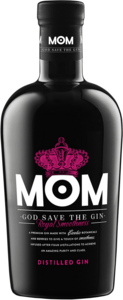
Dry gin is a broad category of gins with a dry, intense flavor profile, where juniper plays the main role complemented by herbs, citrus, and spices. It is one of the most diverse styles of gin – allowing producers freedom in botanical combinations, which is why its flavor can range from fresh to subtly floral or spicy.
Difference between Dry and London Dry gin
Although the name may be misleading, Dry gin differs from London Dry Gin in its production. London Dry must be distilled exclusively with natural botanicals without any additives after distillation, while Dry gin allows for slight adjustments – such as sweetening or adding additional aromas. This gives producers room for experimentation, resulting in a wider spectrum of flavors.
Taste profile and usage
Dry gins are generally fresh, dry, and harmonious, with a typical juniper base. They may carry notes of citrus, lavender, rose, or spicy herbs. Due to their versatility, they are often used as a base for cocktails, especially classics like Martini, Tom Collins, or Gin & Tonic.
What's next
If you enjoy distinctly dry flavors, reach for London Dry Gin – its precise production guarantees a completely clean profile. On the other hand, if you're looking for something smoother, also discover barrel-aged gin, which matures in oak barrels and brings the softness of wood and vanilla.
Dry gin is a broad category of gins with a dry, intense flavor profile, where juniper plays the main role complemented by herbs, citrus, and spices. It is one of the most diverse styles of gin – allowing producers freedom in botanical combinations,…
Dry gin is a broad category of gins with a dry, intense flavor profile, where juniper plays the main role complemented by herbs, citrus, and spices. It is one of the most diverse styles of gin – allowing producers freedom in botanical combinations, which is why its flavor can range from fresh to subtly floral or spicy.
Difference between Dry and London Dry gin
Although the name may be misleading, Dry gin differs from London Dry Gin in its production. London Dry must be distilled exclusively with natural botanicals without any additives after distillation, while Dry gin allows for slight adjustments – such as sweetening or adding additional aromas. This gives producers room for experimentation, resulting in a wider spectrum of flavors.
Taste profile and usage
Dry gins are generally fresh, dry, and harmonious, with a typical juniper base. They may carry notes of citrus, lavender, rose, or spicy herbs. Due to their versatility, they are often used as a base for cocktails, especially classics like Martini, Tom Collins, or Gin & Tonic.
What's next
If you enjoy distinctly dry flavors, reach for London Dry Gin – its precise production guarantees a completely clean profile. On the other hand, if you're looking for something smoother, also discover barrel-aged gin, which matures in oak barrels and brings the softness of wood and vanilla.